
Last updated November 25, 2026
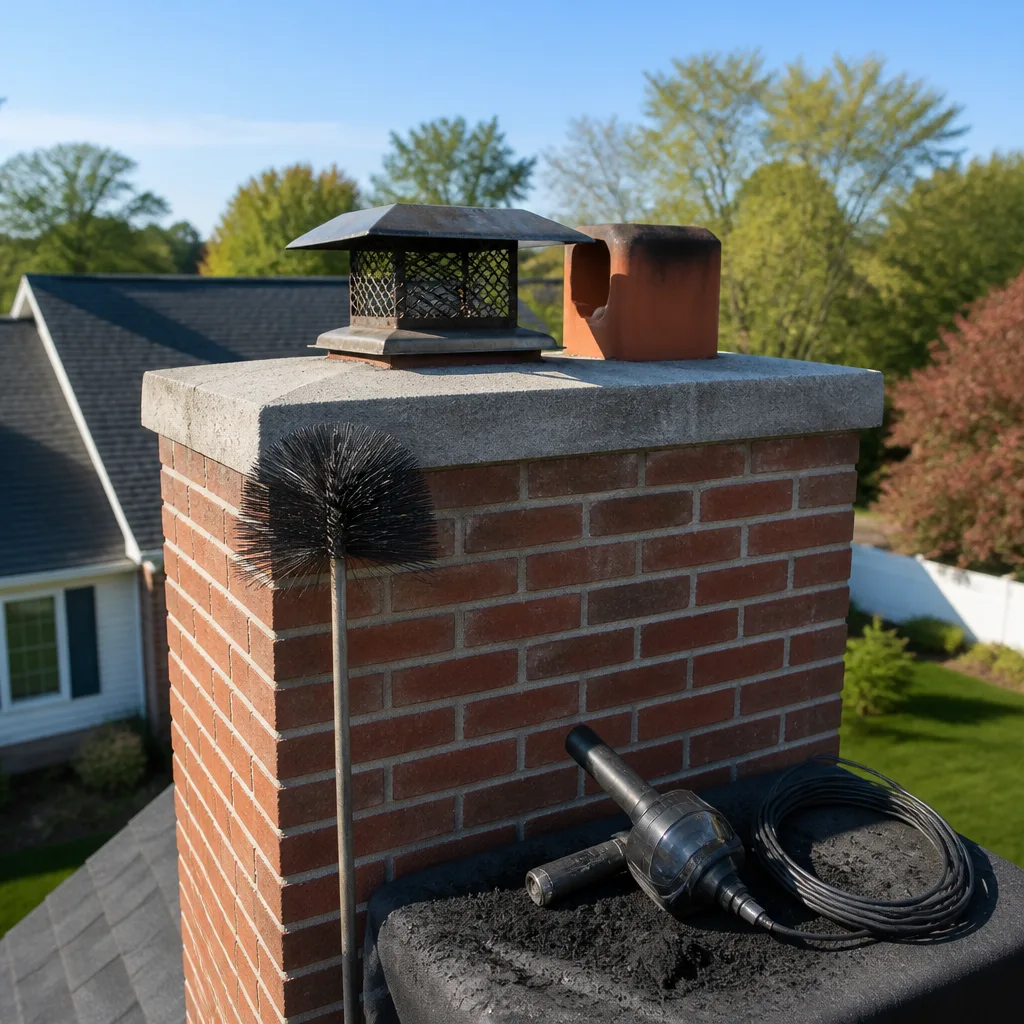 Sweep & inspection
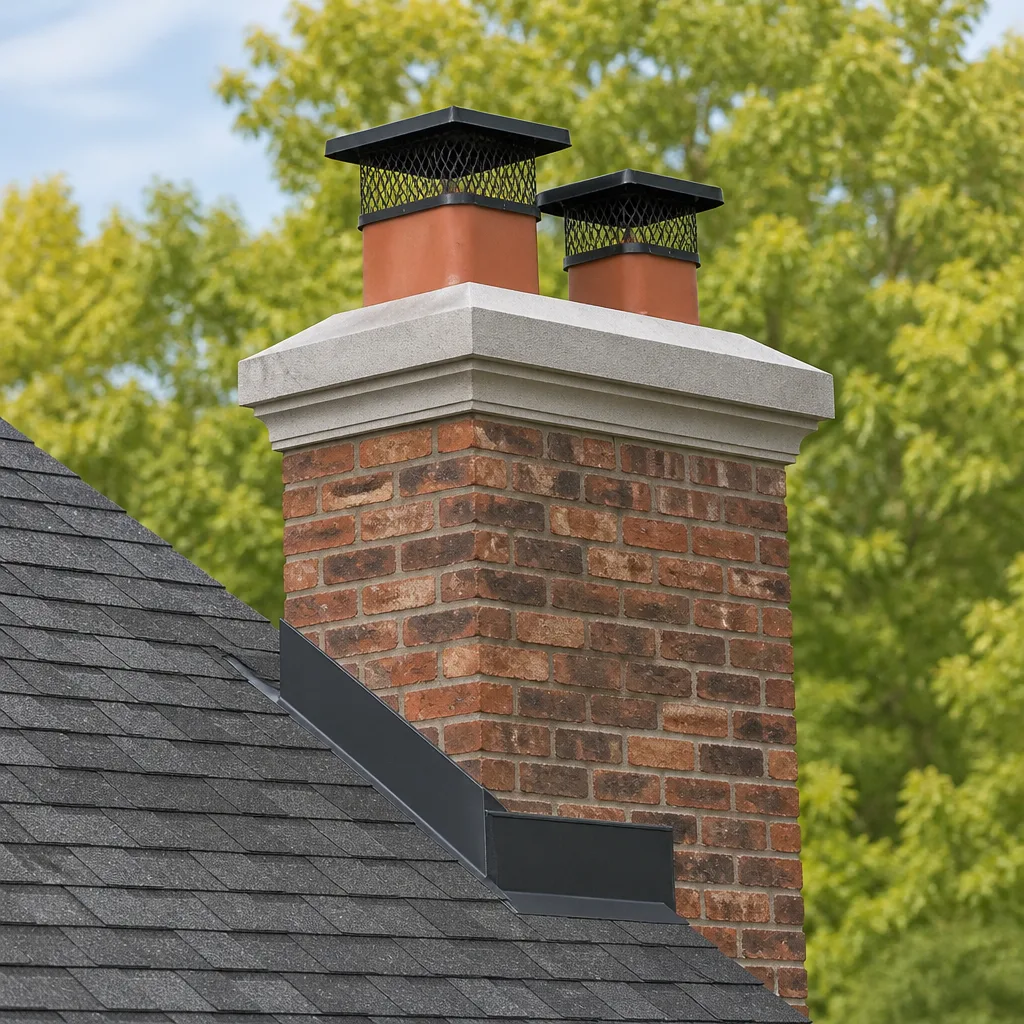 Caps & crowns
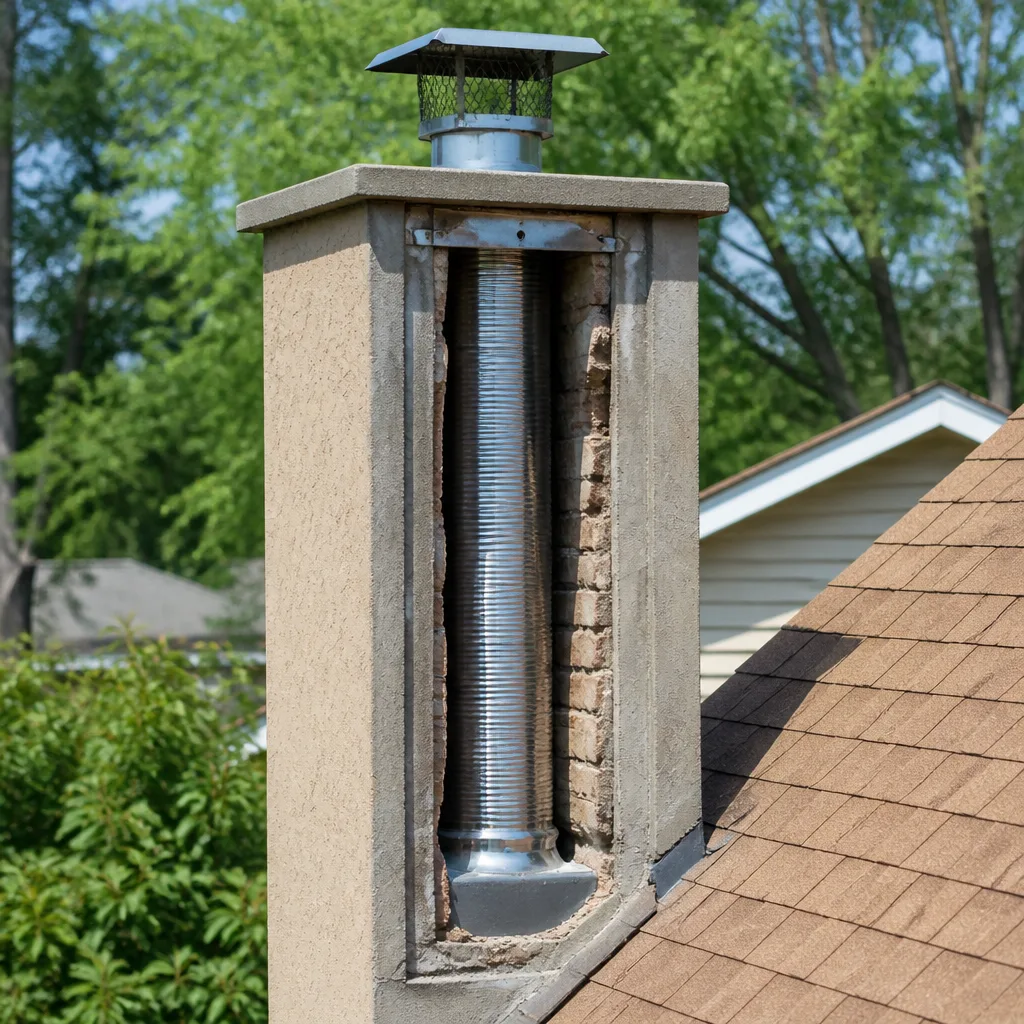 Flue relining
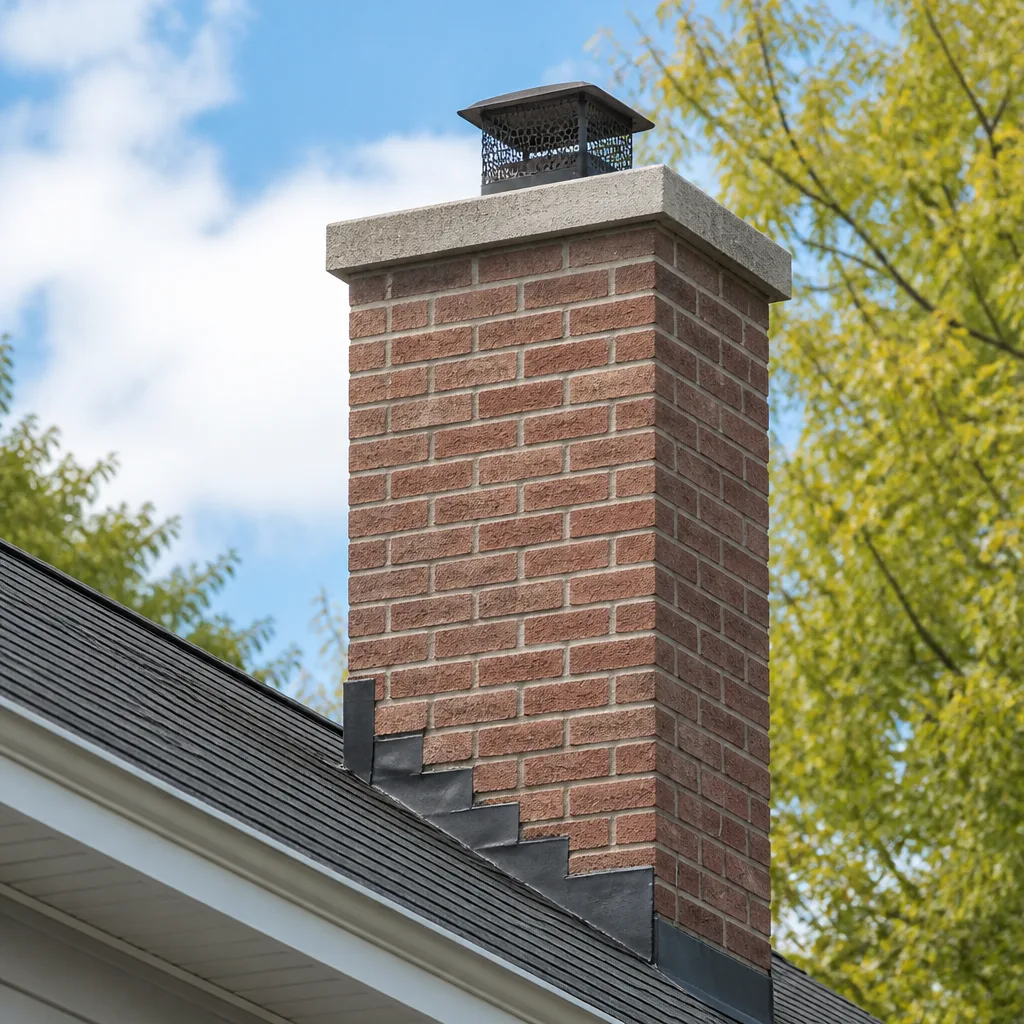 Masonry repair
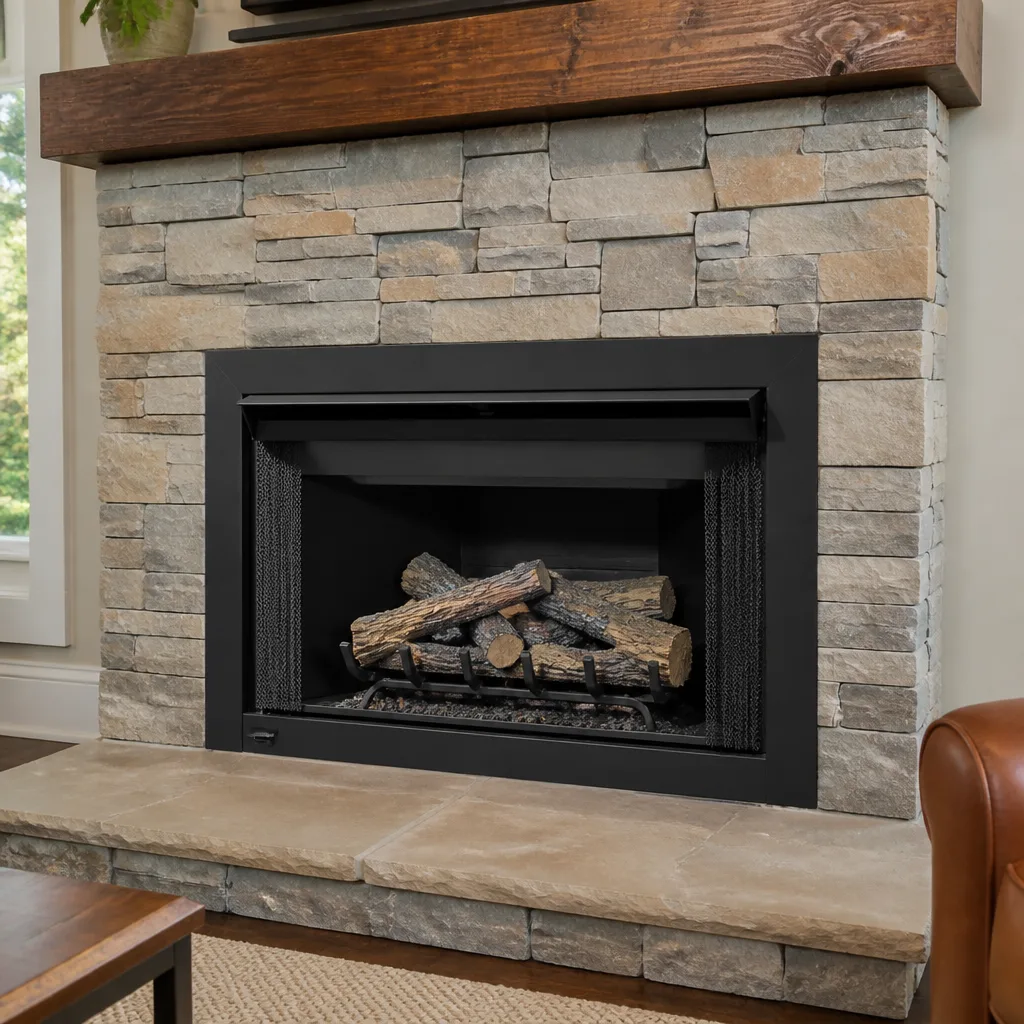 Gas fireplace service
Level 1 sweep and inspection to the NFPA 211 annual standard - flue, crown, cap, and flashing checked and photographed
Chimney sweep logs do not sweep chimneys. They loosen some creosote - which then falls where a brush and vacuum still have to collect it.
How to Hire a Chimney Cleaning Contractor in Morningside: A Step-by-Step Guide
A chimney sweep who can’t show you the inside of your flue on a camera after the job is done hasn’t given you a cleaning. They’ve given you an invoice. That’s the uncomfortable truth about hiring chimney help in Morningside: the market has no shortage of people willing to run a brush up a flue, but very few who can tell you what they actually found and back it up with documentation you can read yourself. This guide walks you through how to tell those two kinds of operators apart before you hand over access to your home, from the certifications that actually mean something to the questions that separate a diagnostic technician from a maintenance-only crew.
Quick Answer
To hire a chimney cleaning contractor in Morningside, verify three things before booking: current CSIA certification or equivalent NFI credentials, proof of general liability and workers’ compensation insurance, and a written scope that includes a camera inspection with a report you keep. Ask for the inspection report format up front, confirm the company does its own repair work rather than subcontracting it, and expect a priced estimate in writing before any work begins. A legitimate operator will answer all of this without hesitation.
Styles & brands we work with
- Sweep & inspection
- Caps & crowns
- Flue relining
- Masonry repair
- Gas fireplace service
Table of Contents
- Why chimney hiring in Morningside is different
- The certifications that actually matter (and the ones that don’t)
- Questions to ask before you book
- What a real inspection report looks like
- Red flags in low-cost sweep operations
- How to verify insurance and what it should cover
- A step-by-step hiring process
- Common mistakes to avoid
- When to call a professional
Why Chimney Hiring in Morningside Is Different
Morningside is an older intown Atlanta neighborhood, and that shows up in the housing stock. Many of the homes here were built in the early to mid-twentieth century, which means a lot of brick masonry chimneys with original or partially relined flues. Older flues have had decades of use, and a good number have been patched, partially relined, or modified at some point by someone whose work you have no record of. When we inspect a chimney in Morningside, the question is rarely just “is it dirty?” It’s “what was done here before, and does it still hold up?”
The local climate matters too. Morningside gets hot, humid summers and cool winters with real freeze exposure. That swing between wet and dry, hot and cold, works on masonry and mortar joints year after year. A chimney that looks fine from the driveway can have a cracked crown, a spalling flue tile, or a failed liner that only shows up on camera. You can’t judge condition from the outside, and neither can the person standing in your living room.
Add to that a busy market of sweep-only operators, general handymen who will “take a look,” and low-cost cleaning offers that turn into liner-replacement pitches. Homeowners in Morningside are careful with their homes and skeptical of vague estimates, and they should be. The hiring decision is really a decision about who gets to diagnose your chimney, because whoever diagnoses it usually ends up doing the work.
We approach that differently. We document what we find before we recommend anything, we show you the camera footage, and we tell you plainly when work can safely wait. That’s the standard you should hold every contractor in Morningside to.
The Certifications That Actually Matter (and the Ones That Don’t)
Not all chimney credentials are created equal. Some require real training, testing, and continuing education. Others are essentially a logo on a website. Knowing the difference is the fastest way to sort qualified contractors from the rest.
Credentials worth asking about
- CSIA certification. The Chimney Safety Institute of America certifies individual chimney sweeps through a proctored exam and requires ongoing education to maintain it. A CSIA-certified sweep has demonstrated knowledge of inspection standards, sweeping procedure, and venting basics. Ask for the certification and confirm it’s current, not expired.
- NFI certification. The National Fireplace Institute certifies technicians on specific appliance categories, such as wood-burning or gas hearth systems. It’s a useful signal that the person working on your fireplace understands how that particular system is supposed to vent and operate.
- Manufacturer training for restoration systems. Some liner-restoration and relining products require specific training to install to spec. HeatShield liner restoration, for example, is a trained discipline. DuraFlex flexible liner systems are another product line with installation standards. A contractor who’s trained on the products they install is more likely to get the tolerances right.
Credentials that are mostly decoration
- Generic “certified technician” badges with no issuing body named.
- Membership in a local business association, which says nothing about chimney knowledge.
- A website full of brand logos the contractor doesn’t actually install.
- “Licensed and insured” with no way to verify either claim.
None of this means a contractor without every certification is unqualified. What matters is that they can name a real credential, explain what it required, and show documentation. If a sweep in Morningside can’t tell you who certified them or what the process involved, that’s your answer.
Questions to Ask Before You Book
The phone call is where you learn the most. A diagnostic operator will answer these questions directly and without defensiveness. A maintenance-only crew will dodge the ones that reveal they can’t actually assess or fix what they find.
- “Will you inspect with a camera and give me the footage or stills?” A real inspection uses a camera to look inside the flue. If the answer is no, you’re hiring someone to brush, not to diagnose.
- “What does your written report include?” Ask to see a sample. A checklist with boxes ticked tells you almost nothing. You want written findings tied to photographs.
- “Do you do the repair work yourselves, or do you subcontract it?” A company that hands off repair work loses accountability at the handoff. Ask who actually shows up to do the repair.
- “What brands do you install?” A contractor who works with professional-grade product lines like HeatShield or DuraFlex is more likely to be trained on them and carry the right tolerances.
- “Are you insured, and can you send a certificate of insurance?” A serious operator sends the COI without a fuss.
- “Will you tell me when work can wait?” This one catches people off guard. A technician who says “yes, this can wait a season” is telling you they’re not selling you a liner you don’t need.
- “How is the estimate priced?” You want a written, itemized estimate. If the price is a range barked into the phone, keep asking until you get a number in writing.
One more question worth asking: “Who cleans the chimney after the sweep?” A proper chimney sweep uses drop cloths and a vacuum with a HEPA filter, and the room should look the way it did when they arrived. If the answer involves “we’ll try to keep it clean,” that’s a red flag on its own.
What a Real Inspection Report Looks Like
This is the part most homeowners never ask about, and it’s where the difference between a good contractor and a cheap one lives. A legitimate inspection report is a diagnostic document. A checkbox form is a receipt for a house call.
A real report will typically include:
- Photographs or camera stills of the flue interior. You should be able to look at them and see the condition of the liner, the joints, and any creosote or damage.
- An assessment of the flue, firebox, damper, smoke chamber, crown, and cap. The whole system, not just the part you can see from the hearth.
- Written findings, not just checked boxes. “Flue tile joint cracked at approximately 6 feet, visible on image 4” is a finding. “Flue: OK” is not.
- Recommendations ranked by urgency. What needs attention now, what can wait a season, and what is cosmetic.
- Code or safety references where relevant. If a finding triggers a code concern, the report should say which one and why.
The report is what you keep. It’s what you hand to a future buyer, an insurer, or a repair contractor. If a sweep in Morningside hands you a form with a price at the bottom and nothing else, you’ve paid for a sales call. A serious inspection is a standalone, billed service, not a free upsell tactic. It’s also part of full-system care from the crown to the firebox. If you want a closer look at how we structure inspection, the larger Chimney Sweep Morningside overview walks through the service categories we handle.
Red Flags in Low-Cost Sweep Operations
Cheap is not the same as good value, and in the chimney trade the low-cost operators tend to be the ones with the most aggressive upsells. Here’s what to watch for in Morningside.
- A cleaning offer that morphs into a liner replacement before you’ve seen any evidence. If the technician climbs down and immediately tells you the flue is failing, ask to see the camera footage. No footage, no conclusion.
- Pressure to decide today. “If you sign today we can lock in the price” is a sales tactic, not a scheduling courtesy. Repairs don’t vanish overnight.
- No written report. If the only document is the invoice, you’ve been cleaned, not assessed.
- No ability to do the repair in-house. A sweep who has to call someone else to fix what they found has less incentive to find it accurately.
- Vague answers on insurance. “We’re fully covered” without a COI is a claim, not proof.
- No camera on the truck. A brush and a vacuum can clean a flue; they can’t diagnose one.
- A pitch for a “special” price that requires you to pay up front. Legitimate work is quoted in writing, agreed, and then done.
The pattern behind all these red flags is the same: an operator who can’t diagnose has to sell, and selling is easier when the customer can’t see what the technician sees. Take away that asymmetry and the pitch doesn’t work. When the chimney cap & crown is damaged and needs replacing, we show you the corrosion on the old cap before quoting the new one, and we use Gelco components where the tolerances matter. Same principle: evidence first, price second.
How to Verify Insurance (and What Georgia Coverage Should Actually Cover)
Insurance verification is the step homeowners skip most often, and it’s the one that matters if something goes wrong in your home. In Georgia, a chimney contractor working in a residential home should carry two kinds of coverage.
- General liability insurance. This is what covers damage to your property, such as a cracked flue tile, a scratched hearth, or a dropped tool that breaks something. Ask for a certificate of insurance naming the company and the coverage limits.
- Workers’ compensation insurance. If a technician is injured on your property, workers’ comp is what covers the injury without it coming back to your homeowner’s policy. A contractor with no workers’ comp (or the wrong exemption) can leave you exposed.
How to verify:
- Ask for the certificate of insurance before booking, not after.
- Check that the certificate is current and shows general liability and workers’ compensation.
- Call the insurance agent listed on the certificate to confirm the policy is active.
- Ask whether subcontractors are covered or excluded. If they’re excluded, and the contractor subcontracts, your job may not be covered.
- Keep the certificate in your records alongside your inspection report.
One thing to understand: a certificate is a snapshot, not a guarantee. The named insured must match the company you hired. If a sweep in Morningside gives you a certificate in a different name, ask why. It’s usually because the work is being handed to someone else, and that changes who is accountable. A contractor who does the repair work in-house is easier to hold to a single standard.
A Step-by-Step Hiring Process
Here is the sequence we’d recommend to any Morningside homeowner, from first search to final walkthrough.
- Define the job. Are you booking a routine cleaning, or do you have a specific concern (smoke coming back, a smell, a draft)? Write it down so you can describe it when you call.
- Shortlist three contractors. Look for CSIA or NFI credentials, a real service list, and a clear inspection process. Read reviews for the details, not the star count.
- Call and ask the booking questions. Use the seven questions above. Pay attention to how the answers are phrased, not just what they contain.
- Request the certificate of insurance. Verify it as described above.
- Confirm the scope in writing. Before the visit, you should know what the sweep will do, whether an inspection is included or separate, and what the report will contain.
- Attend the inspection if you can. Watching the camera walkthrough with the technician is the best way to understand what’s being recommended and why.
- Get the written report and priced estimate. Read the findings, ask questions, and don’t feel pressured to approve anything on the spot. Any real repair can be scheduled after you’ve reviewed the documents.
- Book the work. Confirm who will do the repair, what brands or products will be used, and what the written estimate sets as the final price.
- Walk through the finished work. A good contractor walks you through what was done and leaves you with documentation of the finished repair.
That sequence takes a little more effort on the front end, but it protects you from the most common failure mode: paying for a cleaning and walking away with a sales pitch instead of a diagnosis.
How Much Does a Chimney Sweep Cost in Morningside?
Standard chimney sweeping is a routine, predictable service. It’s also the first line of defense for everything else in the system, because the sweep is when the technician gets a look inside the flue. The specific price depends on the chimney, the access, and whether an inspection is included or billed separately, so a phone quote is always a range. What you want is a written estimate before the work starts.
A few things affect the number: how many flues are involved, whether there’s a wood-burning insert or a gas appliance, how much creosote has built up, and whether the crown or cap needs attention while the technician is on the roof. That’s why “cleaning” and “cleaning plus what we find” are different quotes. The point of the visit is to find out what’s actually in the flue, not just to scroll a brush through it.
Call (877) 820-8736 for a free estimate and an exact written quote. We don’t quote a number we can’t stand behind, and we don’t price a repair before we’ve seen the evidence for it.
Do You Really Need a New Liner? (And How to Tell)
Liner replacement is the single most common upsell in the chimney trade, and it’s the one homeowners have the hardest time verifying. Here’s the honest version: sometimes you genuinely need a new liner, and sometimes you don’t. The difference is what the camera shows.
A liner typically needs replacement when it has a visible breach, cracked or displaced tiles, or a failed stainless liner that has lost integrity. A liner that has been partially relined, or one that shows some wear but no breach, may be a candidate for restoration instead. HeatShield liner restoration is a trained procedure that resleeves a deteriorating flue without a full rebuild, which can preserve budget without compromising safety on the right candidate. It isn’t right for every flue. But it’s an option that a sweep-only company can’t offer, and that’s worth knowing before you authorize a full replacement.
The way to tell the difference is simple: ask to see the camera footage. If the technician points to a specific spot and explains what it means, you can make an informed decision. If the recommendation comes without evidence, ask for it before agreeing to anything. A full-system contractor diagnoses with the camera, offers the options that fit what it sees, and installs DuraFlex flexible liners or HeatShield restoration depending on which is right. A liner is not a default; it’s a decision.
What Full-System Care Actually Covers
The chimney is one system, from the cap and crown on the roof to the firebox and damper at the hearth. Hiring one contractor for the whole system avoids the handoff problem, where the sweep blames the roofer and the roofer blames the sweep. It also means the same person diagnosing the flue is the one responsible for repairing it. Our fireplace repair work covers the firebox and damper side; the sweep and inspection cover the flue; caps and crowns cover the top. One company, one standard, no coordination.
That’s not a small thing in Morningside, where the housing stock is older and repairs often span more than one part of the system at a time. A cracked crown and a spalling flue tile, for example, are usually related, not separate. When one crew handles both, the repair holds together. When two crews handle each piece separately, the seams are where things go wrong.
The brands matter here too. Professional-grade product lines like DuraFlex, HeatShield, Gelco, Olympia Chimney, and Famco are built to documented tolerances, and a contractor trained on them installs to spec. That’s the difference between a repair built to last and one patched to pass inspection. If you want to see how we structure the full set of services, our main page lays it out.
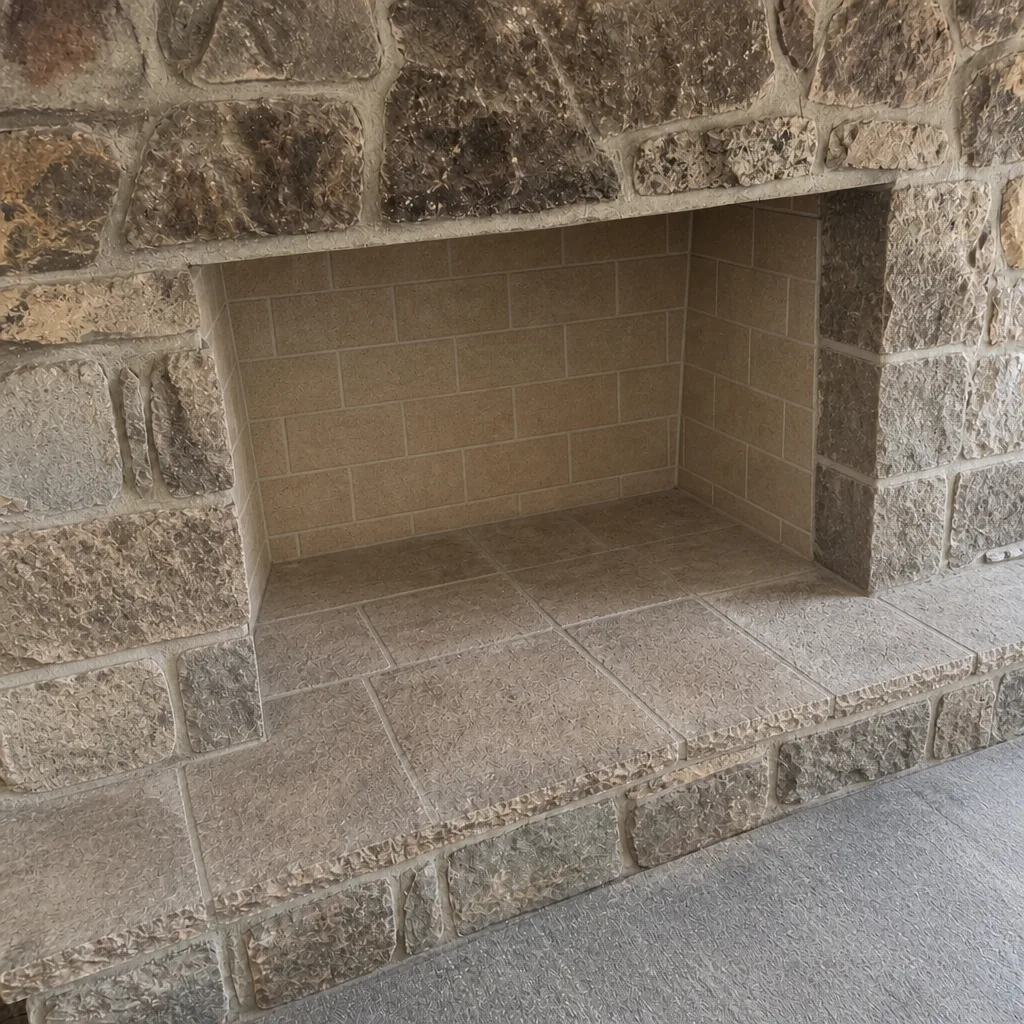
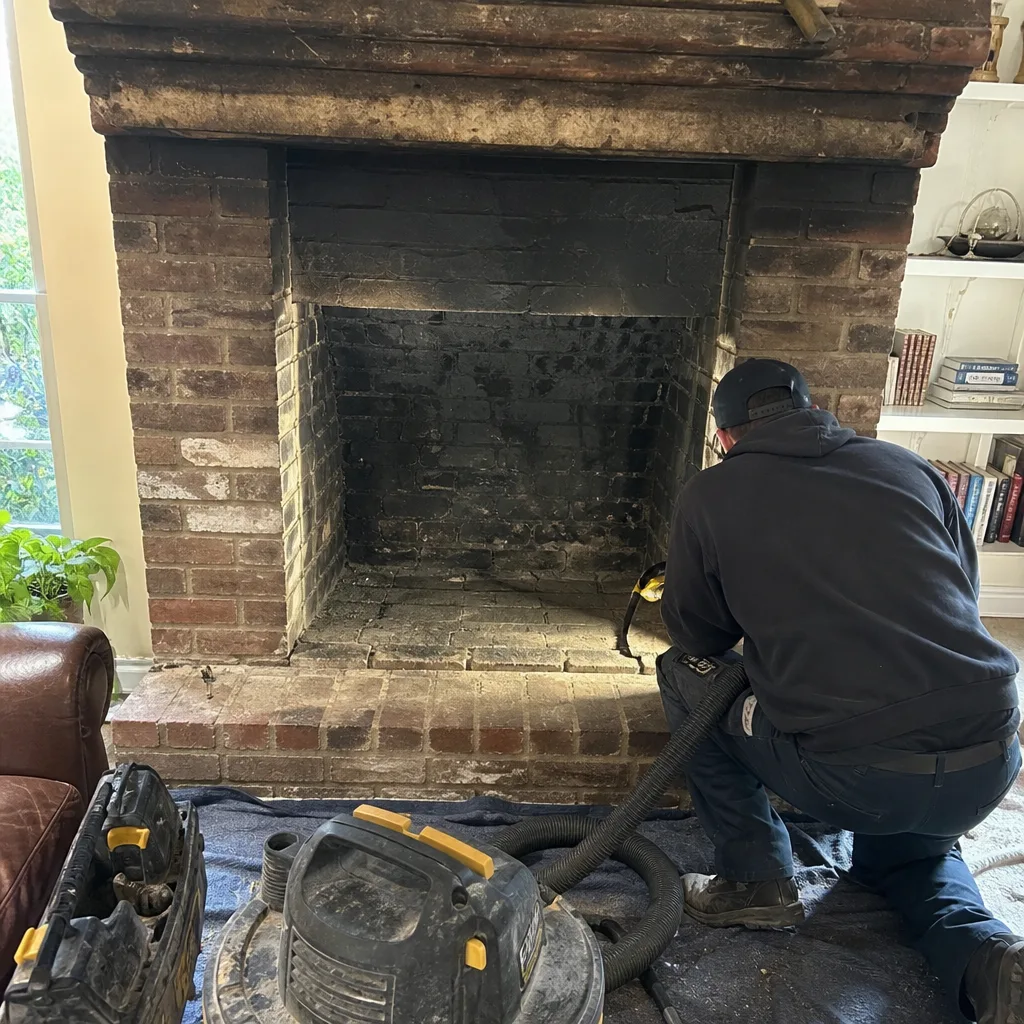
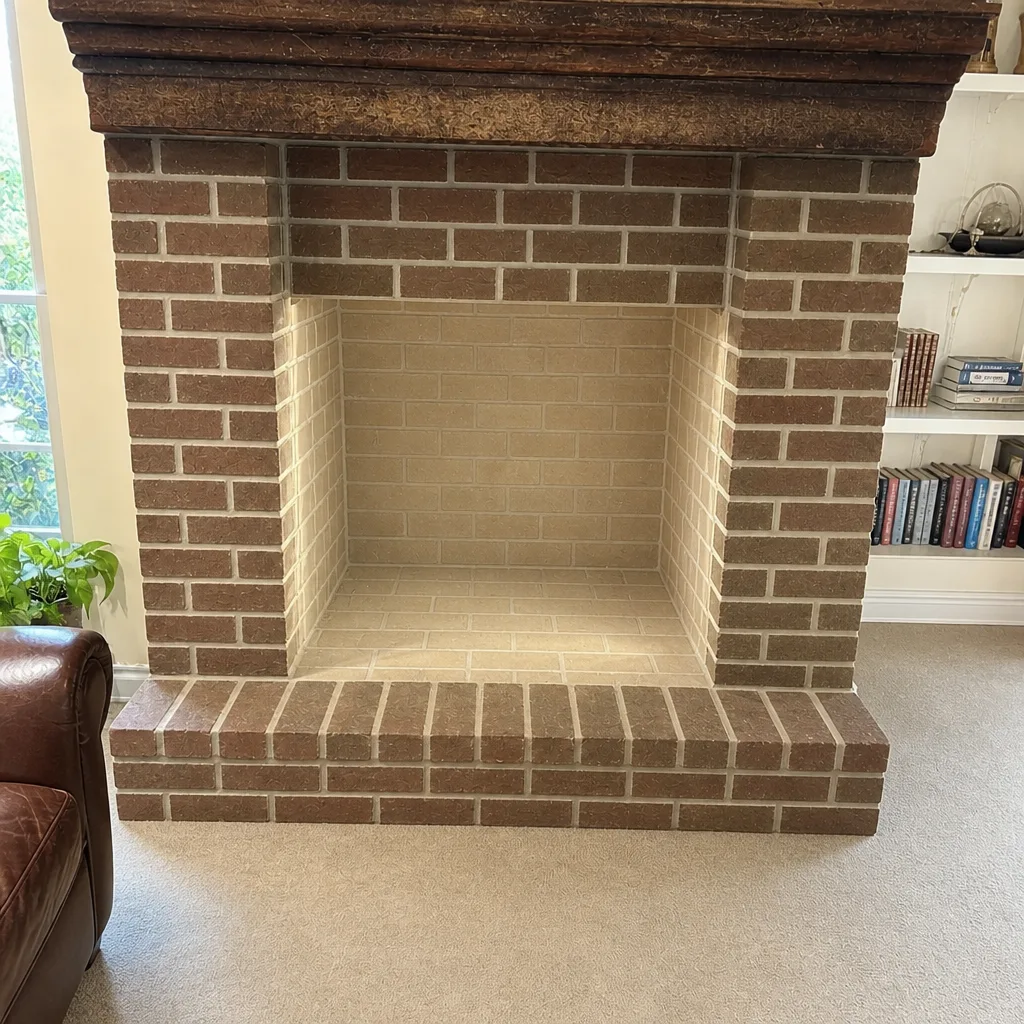
See the difference
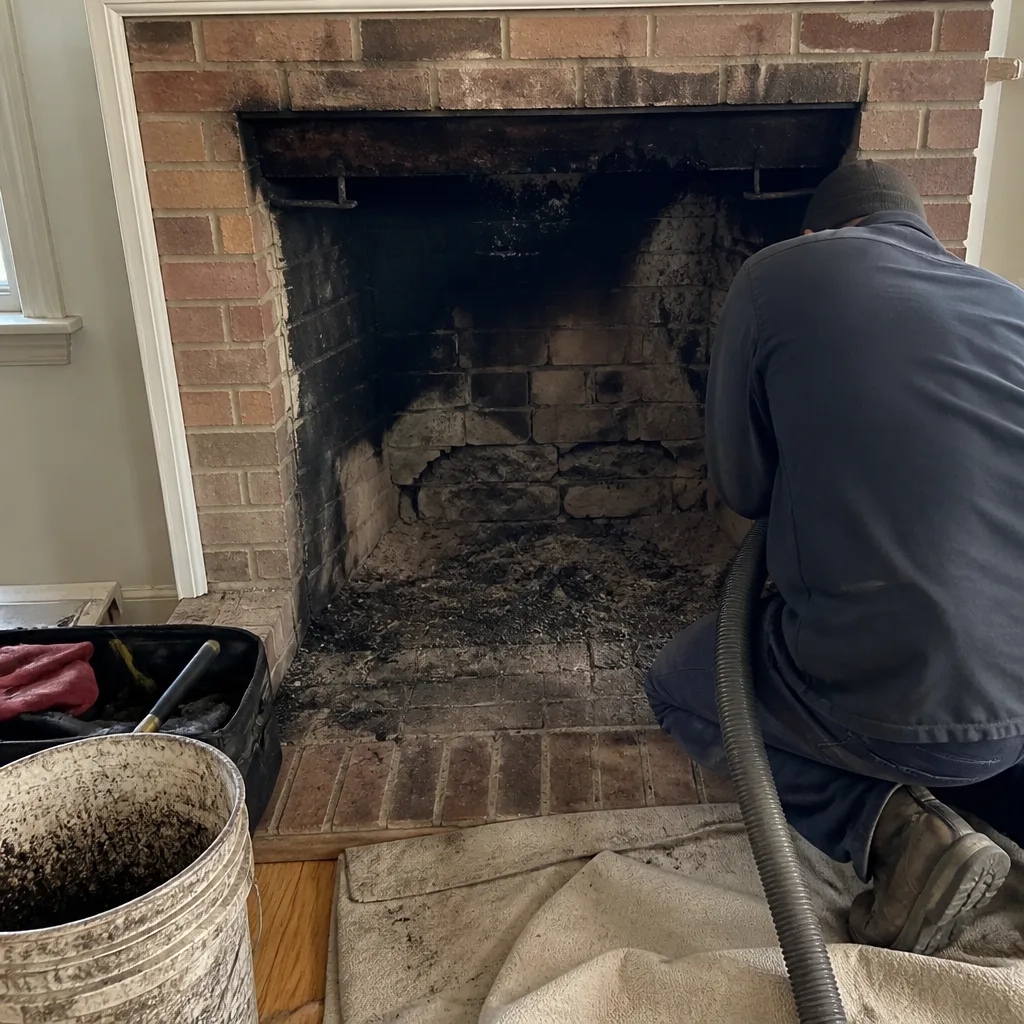 Before
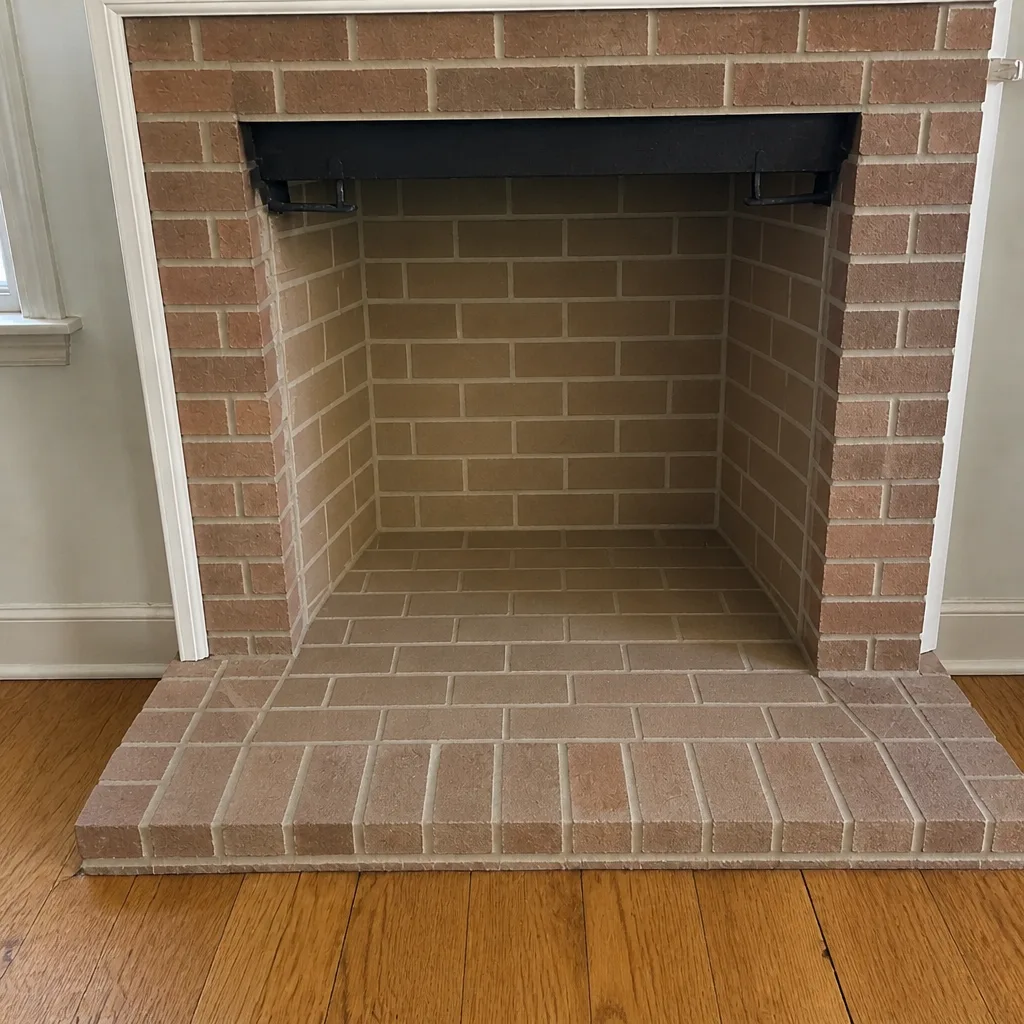 After
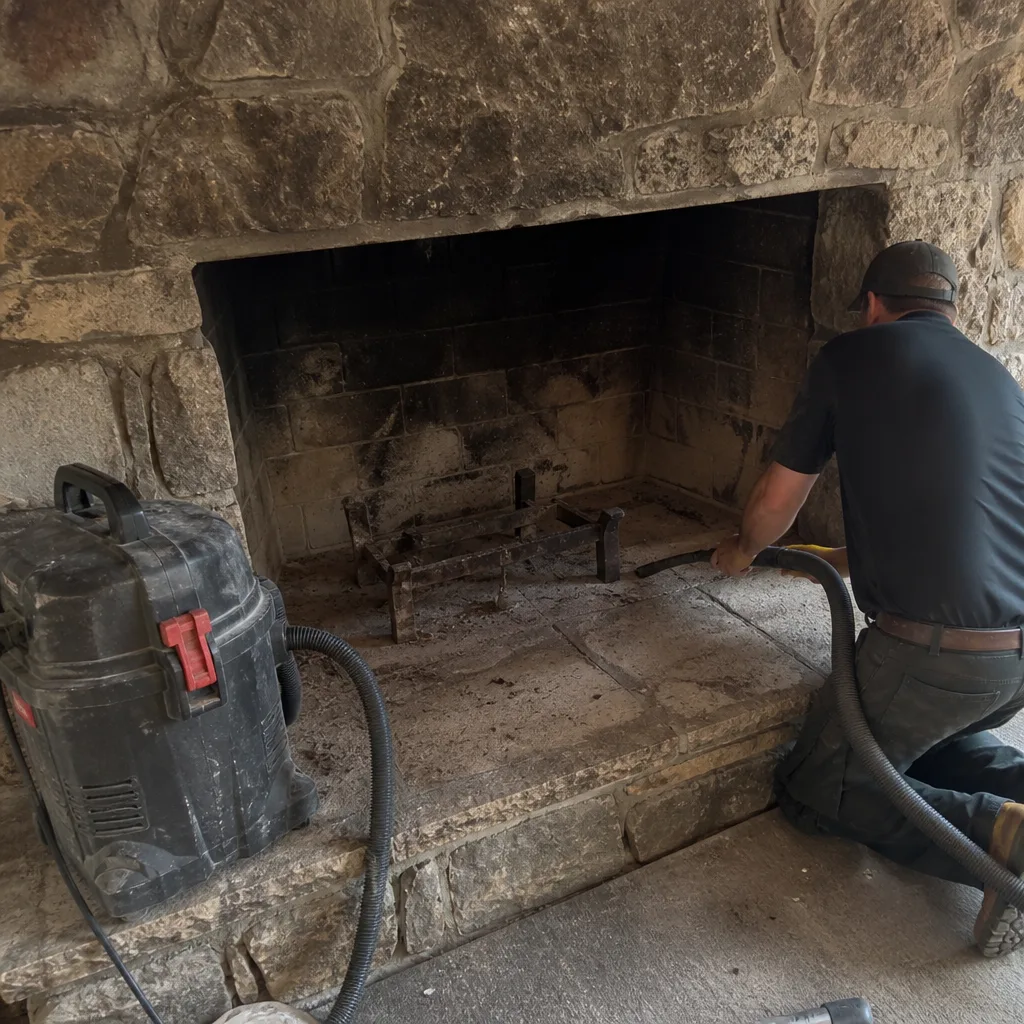 Before
 After
 Before
 After
Common Mistakes to Avoid
- Booking on price alone. The cheapest sweep in Morningside is usually the one with the most aggressive liner pitch. Compare scope, credentials, and documentation before comparing price.
- Accepting a verbal inspection finding. If the technician says the flue is failing, ask to see the footage. A finding without evidence is a sales claim.
- Skipping the insurance check. Ask for the certificate before booking and confirm it’s active. It takes five minutes and protects you from a real liability.
- Hiring a sweep who can’t do the repair. If the sweep has to subcontract the liner work, the diagnosis and the repair are no longer accountable to the same person.
- Ignoring the crown and cap. Water intrusion from a cracked crown damages the flue over time. Check the top of the chimney, not just the inside.
- Approving work on the same visit without reading the report. Take the report, read it, and ask questions. A good contractor expects this and won’t pressure you otherwise.
- Forgetting to sweep before the season, not during it. Booking a cleaning before the heating season starts means fewer surprises when you actually want the fireplace working.
When to Call a Professional
Some chimney issues can wait for a scheduled cleaning. Others shouldn’t. Call a professional if you smell smoke in the house when the fireplace is in use, if smoke comes back into the room instead of up the flue, if you see creosote buildup or visible damage inside the firebox, if the damper sticks or won’t seal, or if it’s been a year or more since the last sweep and you burn wood regularly. Call sooner if you notice a strong creosote smell in warm weather, or if a chimney fire has happened in the past and nobody has inspected the flue since.
Chimney Sweep Morningside offers free estimates in Morningside. Call (877) 820-8736. We answer 24/7. Fast dispatch from 7am to 7pm, Sunday through Friday. The estimate sets the price, and nothing is recommended without camera evidence you can see for yourself.
Frequently Asked Questions
Standard sweeping is a routine, predictable service, and the exact price depends on the flue count, the appliance type, and whether the inspection is bundled or billed separately. Call (877) 820-8736 for an exact quote. Estimates are free, and the written estimate sets the final price.
Only if the camera shows a breach, cracked or displaced tiles, or a failed stainless liner. A flue that shows wear but no breach may be a candidate for HeatShield restoration instead of full replacement. Ask to see the footage before you agree to anything, and call (877) 820-8736 to book an inspection.
For a wood-burning fireplace in regular use, annual sweeping and inspection is the standard recommendation. Gas appliances still need an annual inspection even though they produce less creosote. Call (877) 820-8736 to schedule before the heating season.
Creosote accumulates in the flue with every fire, and at a certain level it becomes flammable. Skipping the sweep also means skipping the camera inspection, which is where failing flue tiles and crown damage get caught early. Call (877) 820-8736 for a free estimate, and we’ll tell you plainly what condition your chimney is in.
It’s not a legal requirement in Georgia, but it’s the best available signal that a technician has been tested and continues their education. Ask for the certification and confirm it’s current. Call (877) 820-8736 and we’ll walk you through what our technicians hold.
Minor cap or crown work can often be handled during the same visit if the materials are on hand, but liner and flue repairs are scheduled after the inspection report is reviewed. We answer 24/7. A call outside dispatch hours is booked into the next opening, Sunday through Friday, 7am to 7pm.
The Bottom Line
Hiring a chimney contractor in Morningside comes down to three questions: can they diagnose, can they fix, and can they prove it? The certifications, the camera, the written report, and the insurance certificate are all ways of answering those questions before you hand over access to your home. Price matters, but it’s the last thing to compare, not the first. Get the evidence, read the report, and let the written estimate set the price. If you want a second opinion on a repair you’ve already been quoted, call (877) 820-8736. The estimate is free, and we’ll tell you what we see.
Written by the team at Chimney Sweep Morningside.