
Last updated November 25, 2026
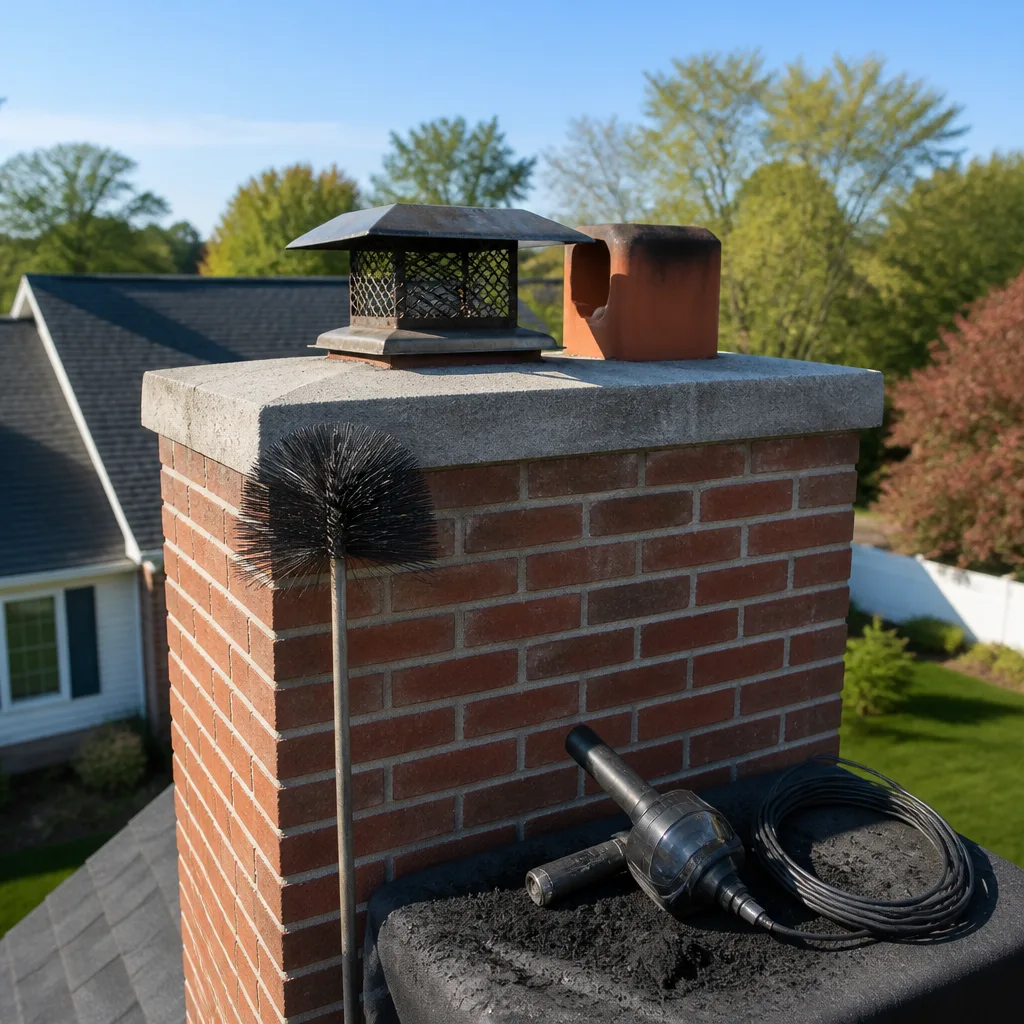 Sweep & inspection
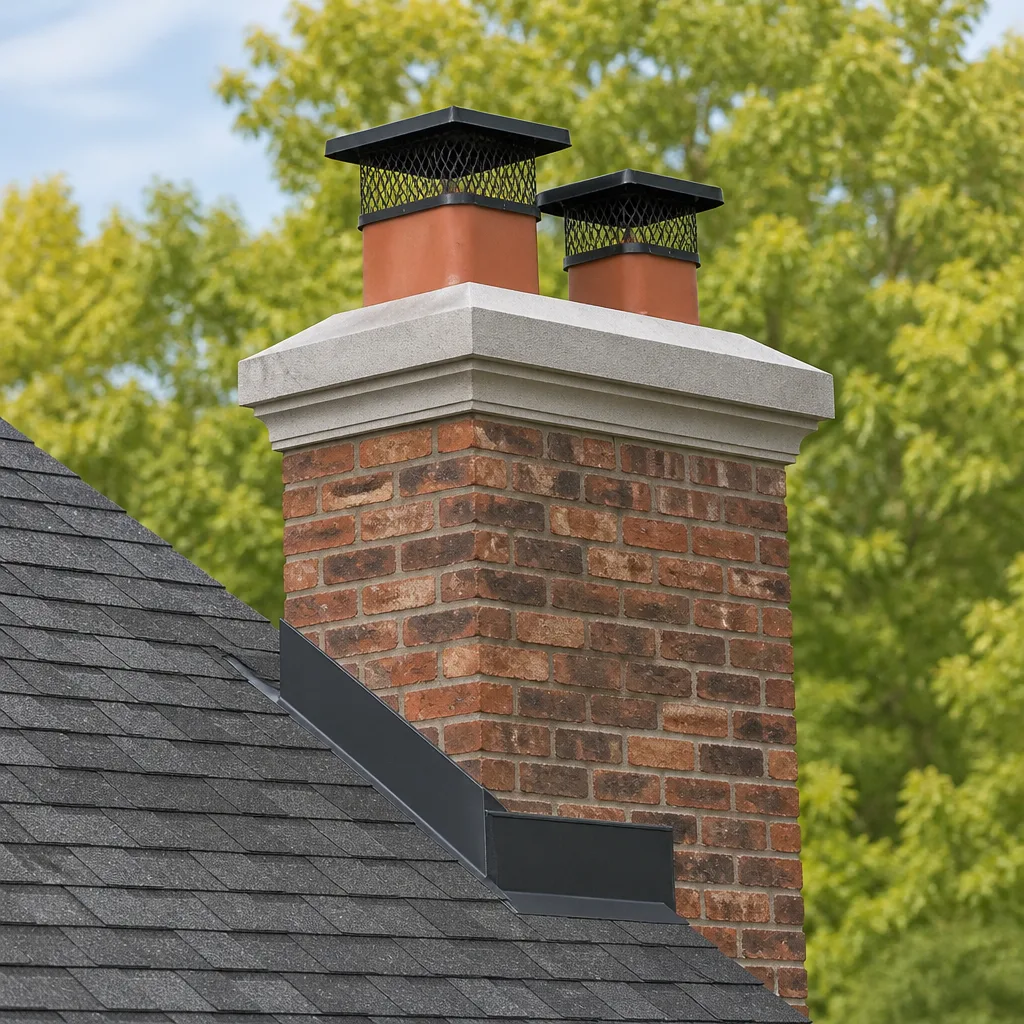 Caps & crowns
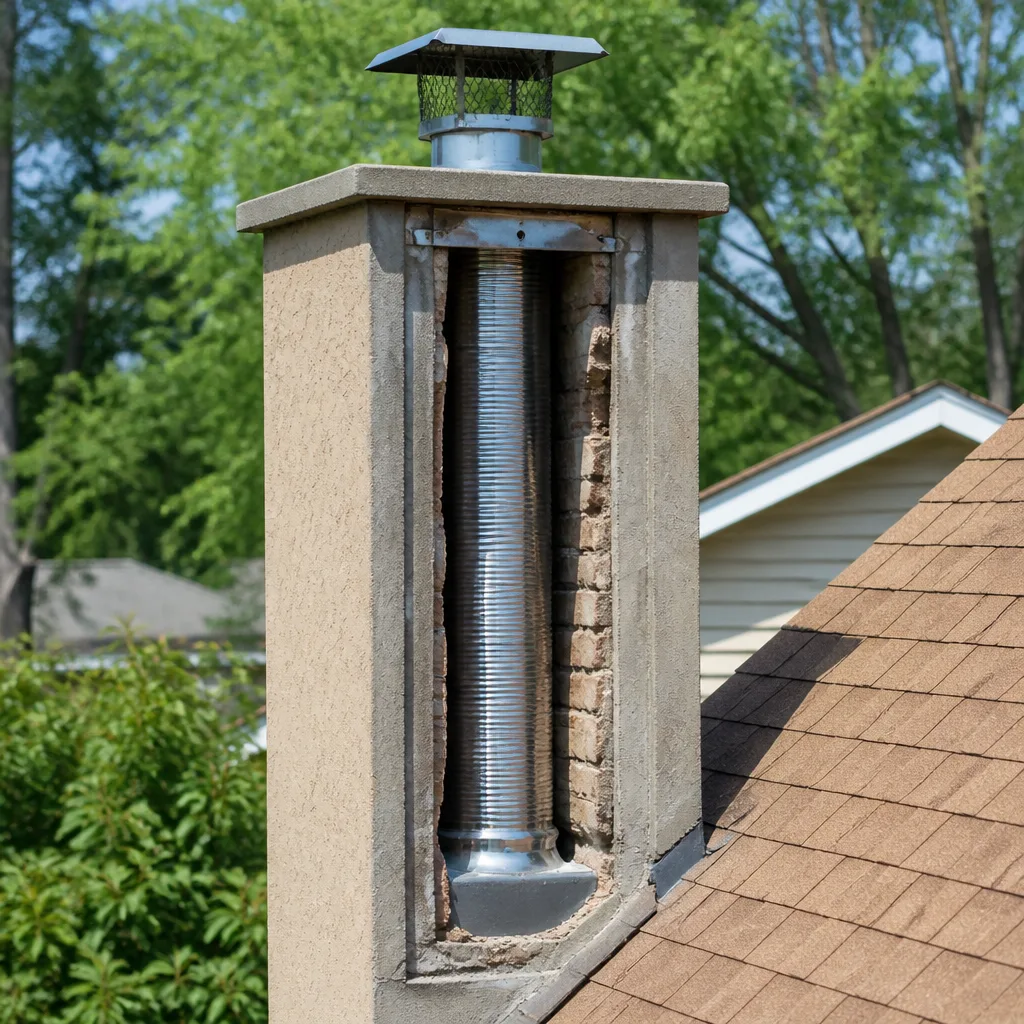 Flue relining
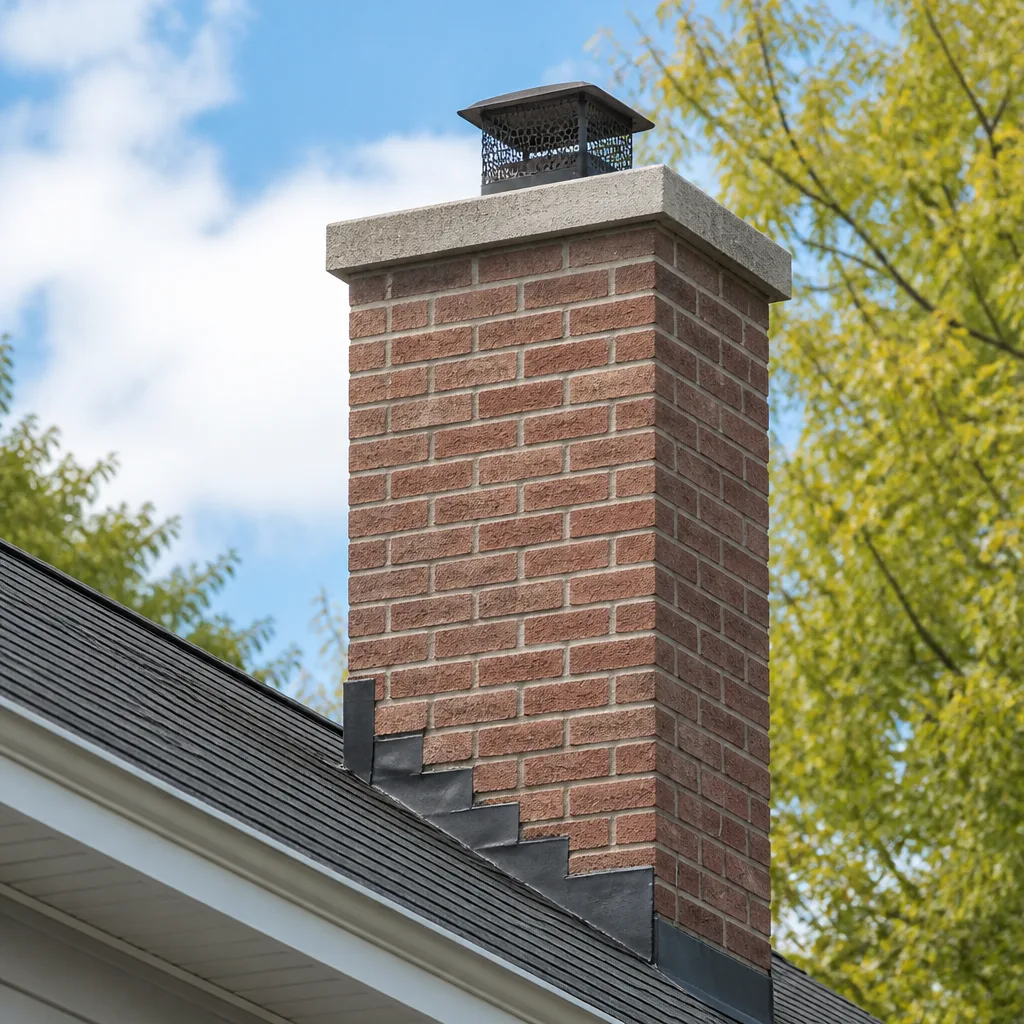 Masonry repair
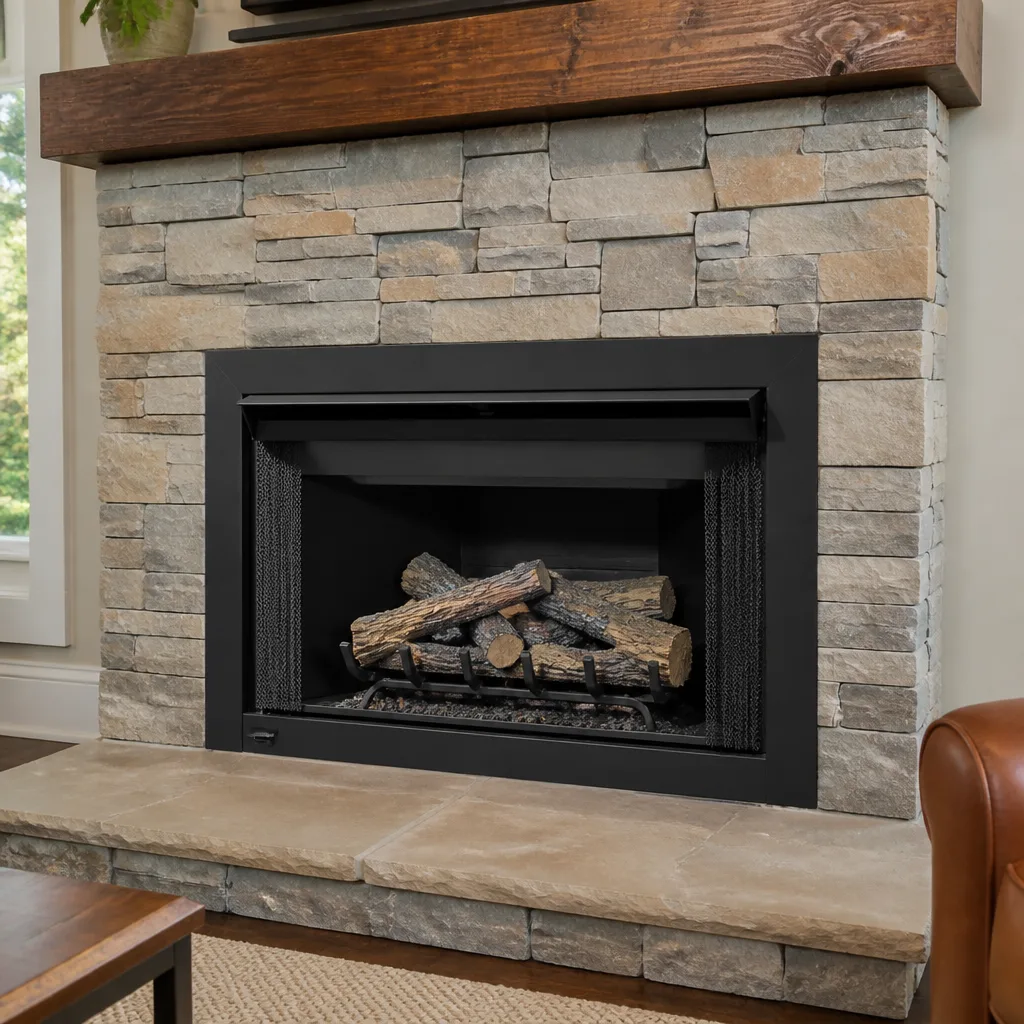 Gas fireplace service
Level 1 sweep and inspection to the NFPA 211 annual standard - flue, crown, cap, and flashing checked and photographed
Chimney sweep logs do not sweep chimneys. They loosen some creosote - which then falls where a brush and vacuum still have to collect it.
DIY vs Professional Chimney Cleaning: The Morningside Homeowner’s Decision Guide
You can sweep your own chimney. You cannot see inside your own flue liner – and that’s where the fires start. Most chimney fires begin with a thin, glazed crust of creosote that forms in a hidden section of flue no brush-and-mirror job will ever reveal, and that’s the part of this decision worth being honest about. We’re not going to tell you every part of chimney care needs a professional, because that isn’t true. A capable homeowner can do real maintenance between cleanings, and knowing which jobs are genuinely yours to handle is the whole point of this guide. We’ll walk through what you can do yourself in Morningside, what genuinely isn’t a DIY job, and where the line actually sits.
Quick Answer
You can safely handle firebox sweeping, ash removal, and a visual cap inspection from the ground between professional cleanings. A proper flue cleaning and the camera inspection that follows are not DIY-safe because you cannot see the interior of the flue liner without the right equipment and the training to interpret what it shows. If the question is where DIY stops being maintenance and starts being liability, the answer is at the flue cleaning and the inspection.
Styles & brands we work with
- Sweep & inspection
- Caps & crowns
- Flue relining
- Masonry repair
- Gas fireplace service
Table of Contents
- What a homeowner can legitimately do between professional cleanings
- The tools a proper flue cleaning requires
- Why the inspection after the sweep matters more than the sweep
- The insurance and liability problem with self-certifying
- What DIY actually saves versus what it defers
- Wood-burning vs gas fireplaces: different DIY boundaries
- How the Morningside seasons shape your cleaning schedule
- What a professional sweep visit actually looks like
What a homeowner can legitimately do between professional cleanings
We want to be clear about what’s genuinely yours to handle, because too many sweep-only companies blur the line and make every task sound like it needs a specialist. It doesn’t. A few things are straightforward maintenance that any careful homeowner can do without special tools or training.
The first is firebox sweeping. After a fire, once the firebox is completely cold – which means no glowing bits, no lingering heat at the grate – you can sweep the loose ash and crumbs off the firebox floor and sides with a stiff brush. Do it before the next burn, not after, because a pile of leftover ash under the grate catches embers and makes the next fire burn dirty. It’s the single easiest thing you can do to reduce creosote buildup over a season.
Second is ash removal. When the ash pan or firebox gets deep enough that the coal bed sits above the grate, it’s time to clear it. Shovel cool ash into a metal container with a lid, take it outside, and set it on a non-combustible surface like concrete or stone. Do not put ash in a plastic bucket, a cardboard box, or a bag; ash can hold heat for a surprisingly long time and the container needs to be metal. Never sweep a firebox while it still has coals in it.
Third is a visual cap inspection from the ground. Look up at the top of the chimney and check whether the cap is intact, whether the damper handle moves freely, and whether there’s any obvious debris (a bird nest, a fallen branch, a chunk of masonry) piled on top. If the cap is rusted through or detached, note it and get an expert opinion. That’s not the kind of thing to fix yourself on a ladder.
Those three tasks – firebox sweep, ash removal, cap inspection from the ground – are the DIY maintenance floor, and we’re glad when a homeowner does them, because they make the professional cleaning faster and the inspection cleaner. That’s where the DIY boundary genuinely sits, though. The moment you go inside the flue, you’ve crossed the line.
The tools a proper flue cleaning requires
Here’s the part homeowners underweight. Consumer-grade chimney brush kits are inexpensive and available at most hardware stores, and they can be used to rough out a flue – but they do not match professional rotary cleaning systems, and the difference is not a small one.
A professional flue cleaning typically uses a rotary brush head on a flexible rod driven by a variable-speed drill or motor. The rotary motion abrades glazed creosote off the flue walls; a hand-pushed brush kit mostly scuffs the surface and leaves the glaze intact. The glaze is the dangerous part of creosote – it’s the third-degree stage that ignites at lower temperatures than the fluffy stuff – and the standard for sweeping it off is the rotary system, not a hand brush.
Beyond the brush head, a proper job uses:
- A flexible rod system that can follow the flue offset rather than jam against it. Most homes in Morningside that were built before the 1980s have at least one offset in the flue, and a rigid rod stops at that offset.
- A high-capacity HEPA vacuum connected to the firebox opening, sealed with a drop cloth. Without this, sweeping sends fine soot into the living space, which settles on furniture and is harder to clean than the firebox ever was.
- Drop cloths and floor protection sized for the hearth and surrounding floor.
- A ladder and roof access rated for the pitch of your roof. Many Morningside homes have a steep pitch over the fireplace chase, and just getting to the top of the chimney is a fall hazard.
- Respiratory protection, because creosote dust is a respiratory irritant and the person sweeping is closest to it.
The gap between a $60 brush kit and a rotary system is the reason a proper chimney sweep cannot be matched by DIY effort. It’s not that the professional is working harder. It’s that the equipment does something the consumer kit physically can’t.
Why the inspection after the sweep matters more than the sweep
The cleaning is the visible part. The camera inspection is what actually tells you the condition of your chimney, and it’s the part no homeowner can do themselves – not because the camera is exotic, but because without it you have no idea what state the flue liner is in.
A camera inspection runs a small camera down the flue on a flexible rod and captures images at every stage. The technician is looking for: cracks and gaps in the liner tiles, missing mortar between tiles, a liner that has pulled away from the flue wall, glazed creosote that the brush didn’t contact, offset joints, and any sign the liner has been compromised by a past chimney fire. None of that is visible from a mirror and flashlight at the damper. All of it is expensive to discover after the fact.
This is where Morningside homeowners get surprised, and it’s worth being specific. In a lot of Morningside homes – especially the older craftsman and mid-century builds where the fireplace chase is original – the flue liner is compromised in ways you cannot see from the firebox. The liner is a clay tile stack designed to keep heat away from framing. When it cracks, the gap between the liner and the framing is where a chimney fire spreads into the house. A camera inspection is the only reliable way to know whether that gap is protected.
We document what we find before we recommend anything. If the camera shows a cracked liner, we show you the photo. If the camera shows the liner is fine for another season, we tell you that and we don’t invent a problem. The inspection is a standalone, billed service – not a free upsell tacked onto a sweep – because the work of running and interpreting the camera has real value, and because charging for it keeps us honest about whether it was needed. If it’s been a while since your chimney has been inspected, that’s the single most useful appointment you can book this season. You can learn more about how our chimney cap & crown work ties into that inspection, and about the fireplace repair we handle when the inspection finds an issue.
The insurance and liability problem with self-certifying
This is the part of the DIY decision most homeowners don’t think about until it’s too late. If you sweep your own chimney and later file a homeowner’s insurance claim for a chimney-related fire, the question the adjuster will ask is: what documented, professional inspection preceded the loss? “I swept it myself” is not an answer that works in your favor, and it can jeopardize a claim.
We’re not going to tell you that your policy definitely has a self-cleaning exclusion, because we don’t know your policy and we won’t pretend we do. What we will tell you is that the standard of “maintained and inspected” is different from the standard of “cleaned,” and the way homeowner’s insurance reads a chimney claim is: was a qualified professional involved in assessing this system before it failed? A camera inspection produces a written report with photos and dates. That report is what your carrier wants to see if there’s ever a problem. A homeowner with a brush kit has no equivalent document.
There’s also the liability angle on resale. Many buyers’ inspectors and lenders will flag a chimney with no inspection history, and the lack of a documented inspection often triggers a buyer-side demand for a full liner replacement before closing – the very cost a homeowner was trying to defer. The cost of a professional inspection is a fraction of a liner replacement, and the documentation it produces is what makes the difference.
If you want a clean paper trail on your chimney before the heating season, a standalone inspection is the way to get it. That’s not us selling a sweep. It’s the difference between “I think the flue is fine” and a signed report with photos.
What DIY actually saves versus what it defers
The cost question is honest and deserves an honest answer. A homeowner sweep job costs whatever the brush kit costs (usually under $100 at a hardware store) plus an afternoon. A professional sweep costs more, and we’re not going to blur that comparison with marketing language. The real question is not “what does the sweep cost” but “what does the DIY sweep defer, and is the deferral worth it.”
Here’s how the tradeoff usually breaks down for a Morningside homeowner:
- A professional sweep + inspection: one appointment, covers the firebox, the flue, the damper, the cap, and the liner condition. The deliverable is a clean flue plus a documented inspection report with photos.
- A DIY sweep + DIY visual: saves the sweep fee. Delivers a cleaned firebox and a partially cleaned flue, no liner assessment, no documentation. The deferred cost is the inspection.
- What the deferral costs later: if the liner has a crack the DIY sweep didn’t reveal, the failure mode ranges from a slow loss of draft to a chimney fire that reaches framing. A liner restoration (which we handle with HeatShield, a system that resurfaces the flue without a full rebuild) is the typical repair, and it’s significantly more than an inspection. Full liner replacement with a DuraFlex flexible system is the next step up.
- The Morningside service call average: we don’t publish a national price table because pricing belongs in a written estimate for your specific chimney, not a website. What we will tell you is that the written estimate you get before any work starts sets the final price, and the estimate is free. There’s no surprise number on the invoice.
The honest framing is this: DIY saves a modest amount on the sweep line item, and it defers an inspection that costs less than any repair a deferred inspection tends to produce. If you’re going to DIY, DIY it and keep the inspection with a professional. That’s the combination that actually saves money.
Wood-burning vs gas fireplaces: different DIY boundaries
The DIY boundary moves depending on what’s in the fireplace. A wood-burning fireplace generates creosote, needs periodic sweeping, and has the inspection standard we’ve been describing. A gas fireplace does not generate creosote, but it has its own set of concerns: the flue still needs an inspection, the venting still needs to be clean and unobstructed, and the gas line and burner assembly are not a DIY area.
For a wood-burning fireplace:
- Firebox sweeping and ash removal are genuinely DIY.
- Flue cleaning with a hand brush is partial at best; a rotary system is the standard.
- Liner inspection is not DIY.
For a gas fireplace:
- Glass cleaning on the front panel is DIY if the manufacturer allows it and the unit is cool.
- Burner and log arrangement should be left as installed; moving gas logs is a fire risk.
- The gas line, pilot assembly, and venting are not a DIY area. If you smell gas, leave the area and call your gas utility – not us, not a handyman.
If you have a gas fireplace and are unsure whether the venting is clear, that’s an inspection. It’s Chimney Sweep Morningside‘s core work and it’s what our technicians have up to 13 years of experience doing. A gas appliance that’s been sitting through a Morningside summer still needs a vent inspection before you light it.
How the Morningside seasons shape your cleaning schedule
Morningside has a heating season that’s shorter than the Northeast’s but longer than the Deep South’s, and the timing of your cleaning should match it. The practical answer: get the sweep and the inspection done before the first cold snap of the season, not after.
Why before? The creosote from last year is still in the flue when the first fire of the new season lights. If that first fire reaches the glaze, you’re starting the season with a hazard. The inspection report also gives you time to schedule any repair – a liner restoration, a cap replacement – before the weather makes the roof work slower and the line at every chimney company longer. A sweep booked in the late summer or early fall is a sweep that doesn’t compete with a cold-snap rush.
There’s a Morningside-specific factor here: the mixing of a humid summer with a firebox that holds moisture is where masonry and liner problems accelerate. A chimney chase that takes on water through a failed cap or a hairline crown crack will have a wet, spalled liner by the time the heating season starts. That’s why a cap inspection from the ground is worth doing at the start of the season too. A sound cap keeps the flue dry, and a dry flue is a flue that doesn’t turn into a masonry repair in a couple of seasons. We work with Gelco and Famco components on caps and crowns specifically because they hold their dimensions and don’t leave gaps where water gets in.
If you sweep on a schedule, do it in the fall. If you don’t sweep on a schedule yet, start this fall with a full sweep and inspection. It’s the simplest way to reset the baseline.
What a professional sweep visit actually looks like
If you’ve never had a professional sweep, the visit is less mysterious than it sounds. Here’s the typical sequence:
- Assessment on arrival. The technician looks at the firebox, damper, and the top of the chimney before doing anything. If there’s a blocked damper or an obvious framing problem, that gets addressed before the sweep.
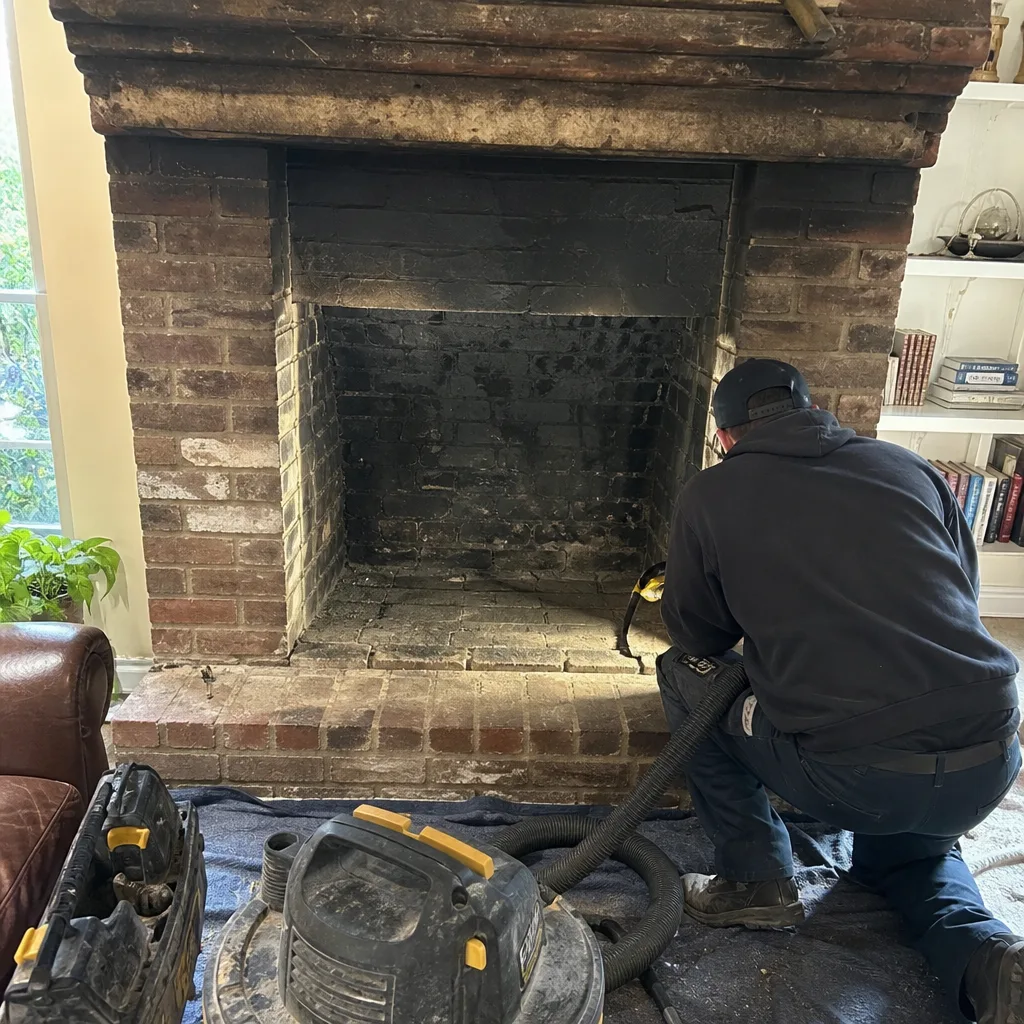
- Setup. Drop cloths go down over the hearth and surrounding floor. A HEPA vacuum is connected to the firebox opening and the seal is checked.
- Sweep. The rotary brush runs the flue from the top of the chimney down (or from the bottom up, depending on the flue configuration). The vacuum captures the loosened creosote, and the drop cloth catches what the vacuum misses.
- Inspection. A camera runs the flue. The technician photographs every section, notes the condition of the liner, the damper, and the cap, and produces a written report.
- Debrief. You get the photos and the report before any repair is recommended. Questions get answered, and if the flue is fine for another season, you’re told that.
The full visit takes a while, longer than a DIY sweep would, and that’s the point. The sweep is the smaller part of the value. The inspection report is the part that makes the appointment worth booking. Our chimney sweep visits are structured to produce a document you can file with your insurance records, and that’s the standard we hold ourselves to.
Common Mistakes to Avoid
- Sweeping a hot or recently-used firebox. Ash can hold heat for hours after the fire looks out. Wait until the firebox is completely cold – no warm spots on the metal, no glowing coals – before you touch it, and use a metal container outdoors for ash.
- Assuming a clean flue means a safe flue. A brush-passed flue can still have a cracked liner, a gap at an offset joint, or a failed crown that lets water in. The clean is not the diagnosis.
- Running a consumer brush kit through a liner you haven’t inspected. A hand brush on a cracked clay tile can widen the crack and dislodge the tile. Without a camera, you don’t know what you’re brushing.
- Climbing a Morningside roof in wet weather or on a pitch you haven’t assessed. Roof access is the single most dangerous part of chimney work for a homeowner. Fall injuries happen on modest roofs, and the view from the top isn’t worth the risk.
- Sealing a cap or crown with a generic caulk or mortar patch. A cap or crown needs a material that holds its dimension for years, not a tube of sealant that fails after one freeze-thaw cycle. That’s why we use Gelco and Famco components for caps and crowns.
- Self-certifying a chimney’s condition for an insurance claim. If you ever file a claim, the documented professional inspection is the difference between a clean claim and a contested one. Get the report even if you sweep yourself.
- Skipping the inspection because the sweep was “good enough.” The sweep removes creosote. The inspection is what finds a failed liner before the first fire of the season. Both exist for a reason, and they aren’t the same service.
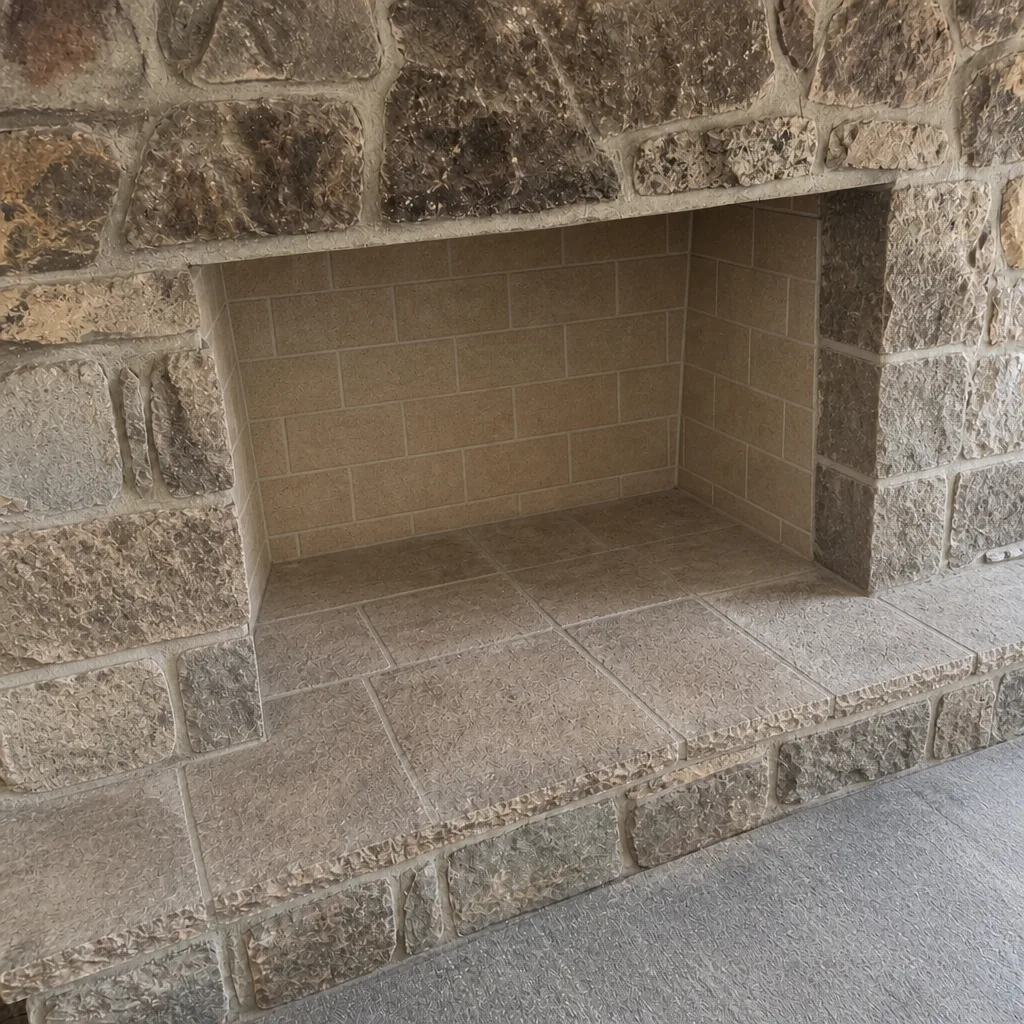
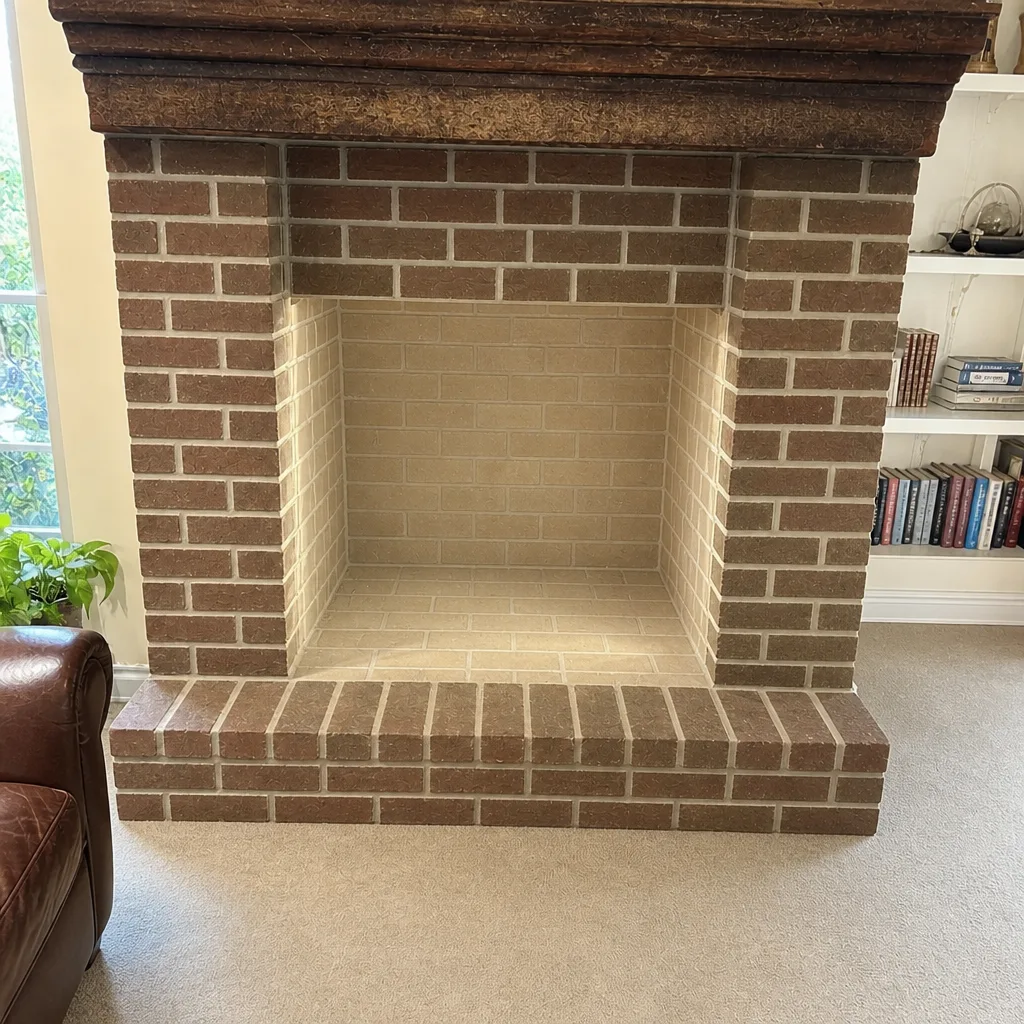
See the difference
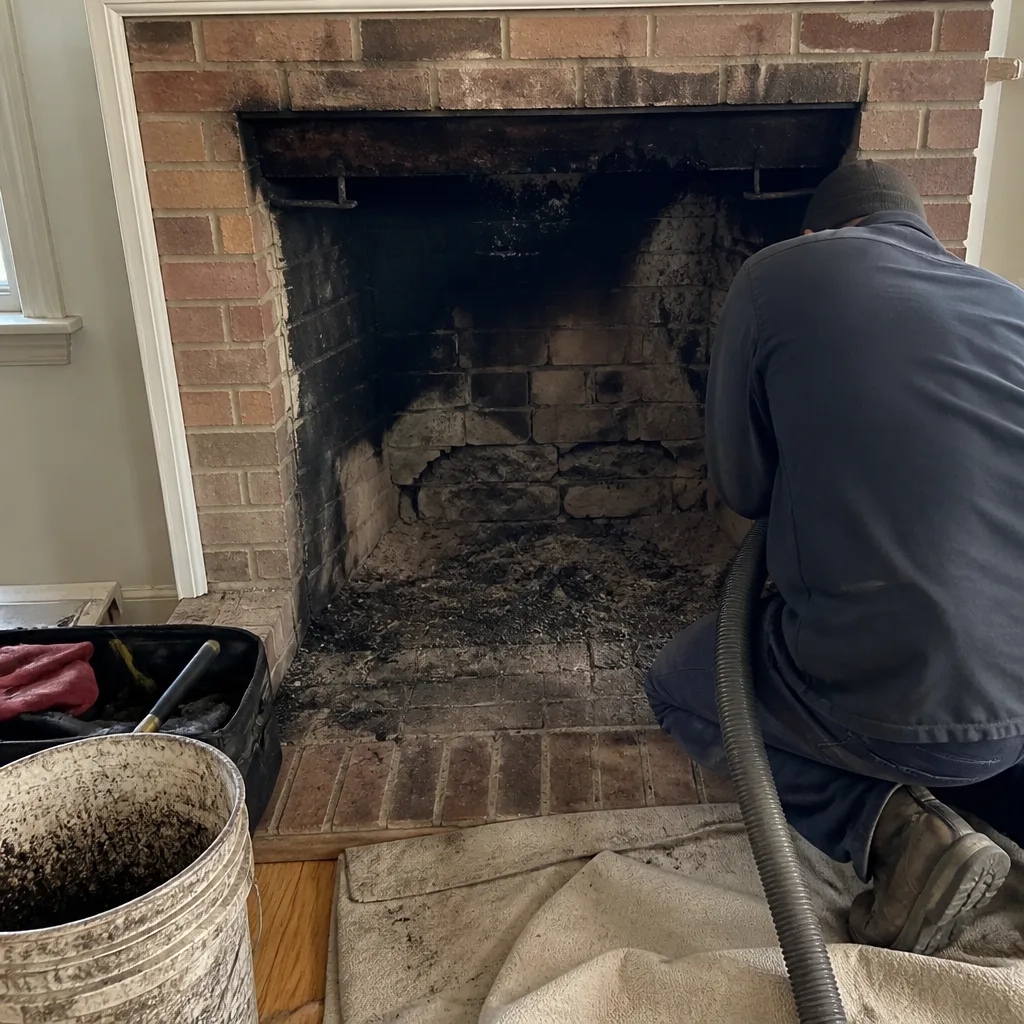 Before
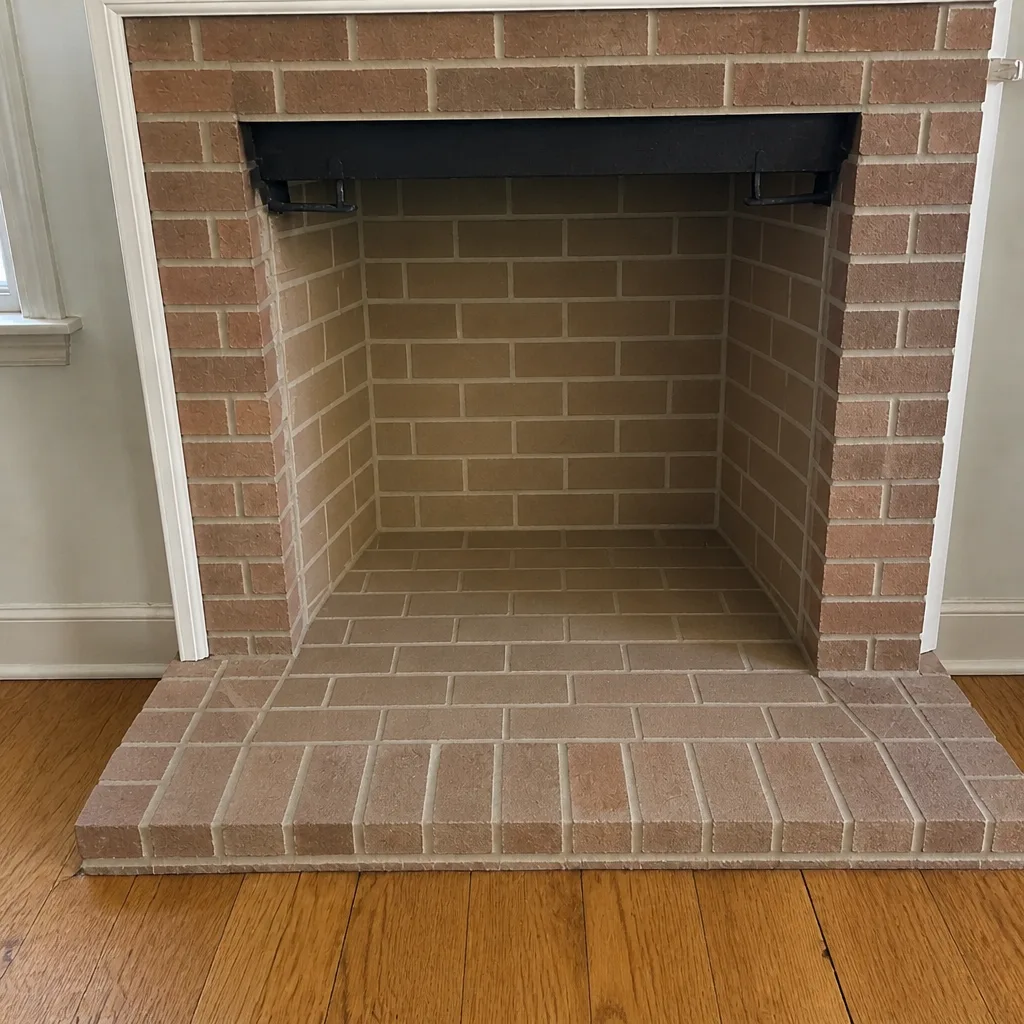 After
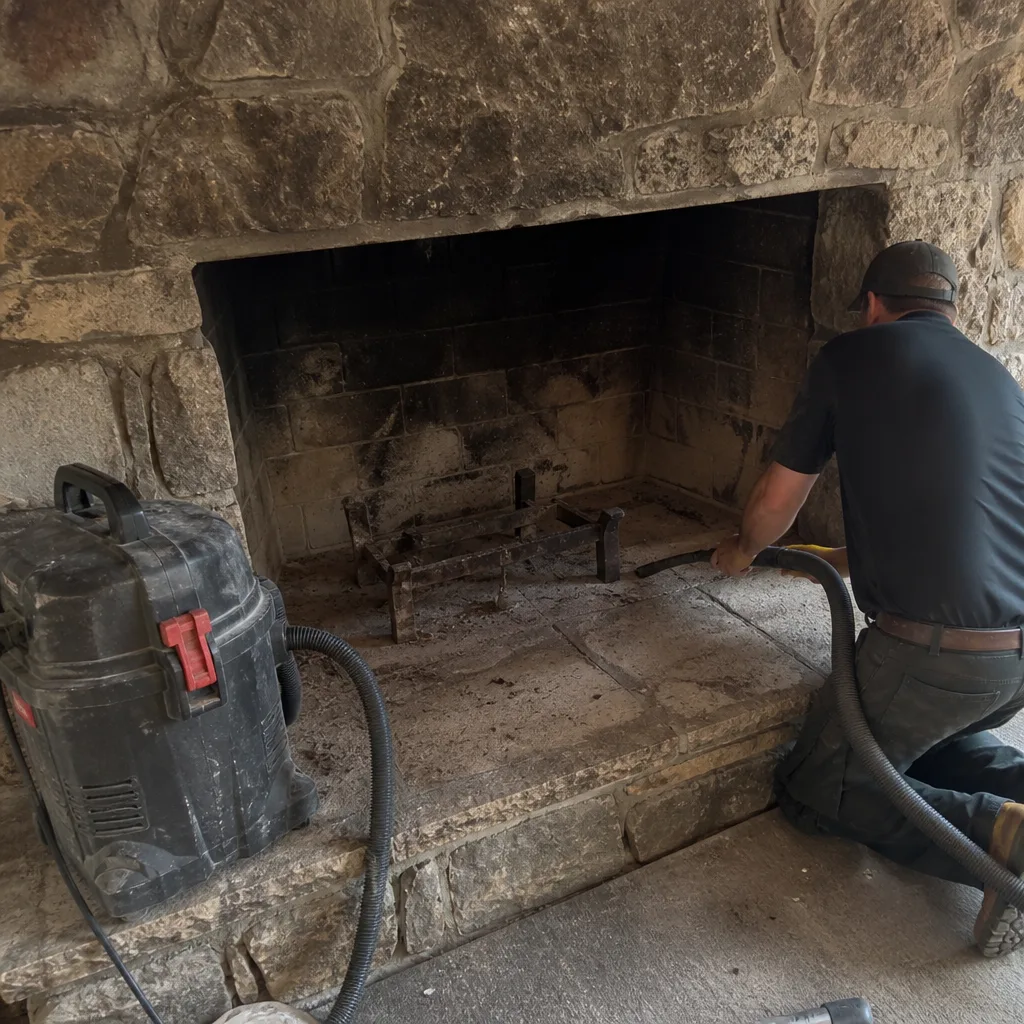 Before
 After
 Before
 After
When to Call a Professional
Some situations are clearly professional-work territory. Call a professional when: the firebox is hard to access or the damper is stuck; the chimney cap is loose, rusted, or missing; there’s visible masonry damage or a cracked crown; you smell a strong, sour creosote odor inside the house even when no fire is burning; the fireplace has never been inspected in the home you just bought; or the previous owner told you the liner was “already handled” and you have no documentation. Those situations are the line where DIY stops and a professional starts. Chimney Sweep Morningside offers free estimates in Morningside – call (877) 820-8736. We answer 24/7. Fast dispatch from 7am to 7pm, Sunday through Friday.
Frequently Asked Questions
You can safely sweep the firebox and remove ash yourself, but you should not sweep the flue or skip the inspection. A homeowner sweep cleans the firebox and scuffs the upper flue without removing glazed creosote or assessing the liner. The liner is where chimney fires start, and it isn’t visible without a camera. Call (877) 820-8736 for a sweep and inspection estimate – we can tell you before we start whether the flue actually needs the full professional treatment or whether the firebox-only maintenance is enough for another season.
Chimney sweep pricing in Morningside depends on the flue configuration, the amount of creosote, and whether the visit includes a camera inspection. The written estimate you get before any work starts sets the final price, so the number on the estimate is the number on the invoice. We don’t publish a national price table because every chimney is different. Call (877) 820-8736 for a free estimate – the estimate costs you nothing and it tells you exactly what the job involves.
Yes, if the chimney hasn’t been inspected in a while. A sweep removes creosote and a camera inspection diagnoses the condition of the flue liner, damper, and cap. A flue can pass a sweep and still have a cracked liner or a gap at an offset joint, and the sweep doesn’t touch that. The inspection is a standalone, billed service because the camera work and interpretation are real work. It’s the part of the appointment that tells you whether anything actually needs repair.
You run the risk that creosote left in the flue from last season reaches the temperature where it ignites – that’s how a chimney fire starts. A skipped inspection also means a cracked liner or failed cap goes undetected for another season, and a small repair becomes a larger one. If the flue has been swept and inspected at the start of a season, skipping one year is not a crisis; skipping it repeatedly on an uninspected flue is how homeowners end up needing a liner replacement. Call (877) 820-8736 to book an inspection and get a clear read on where your chimney stands.
Not with us. The inspection is structured to inform repair decisions, and we document what we find before we recommend anything. You get the camera photos yourself, and if the flue is fine for another season, we tell you that and don’t invent a problem. The reason we work with HeatShield and DuraFlex is that when a repair is genuinely needed, we can offer the better option – liner restoration rather than a full rebuild, or a flexible liner system where a rebuild really is required – instead of selling the biggest possible job by default. If it can wait, we say it can wait.
Before the first fire is the right timing. The creosote from last season is in the flue waiting for your first fire of the new season, and a sweep before that first fire removes the accumulation before it gets a chance to re-ignite. If you’ve already started burning this season, the sweep and inspection are still worth booking now rather than at the end of the season. Call (877) 820-8736 to schedule – the estimate is free and we can tell you what the flue actually looks like before you light another fire.
The Bottom Line
DIY chimney cleaning has a real role, and it’s a small one: firebox sweeping, ash removal in a metal container, and a visual check of the cap from the ground. The flue cleaning and the camera inspection are not DIY work, not because we’re gatekeeping, but because the rotary system and the inspection camera are what actually remove the dangerous creosote glaze and reveal the liner condition. A homeowner who does the firebox maintenance and books a professional sweep and inspection each fall has the right division of labor, and a documented inspection is what protects them on an insurance claim and on a resale. If the flue can wait a season, that’s worth saying. If it can’t, the camera is what tells you. Call (877) 820-8736 for a free estimate from Chimney Sweep Morningside. We answer 24/7. Fast dispatch from 7am to 7pm, Sunday through Friday.
Written by the team at Chimney Sweep Morningside.