
Last updated November 25, 2026
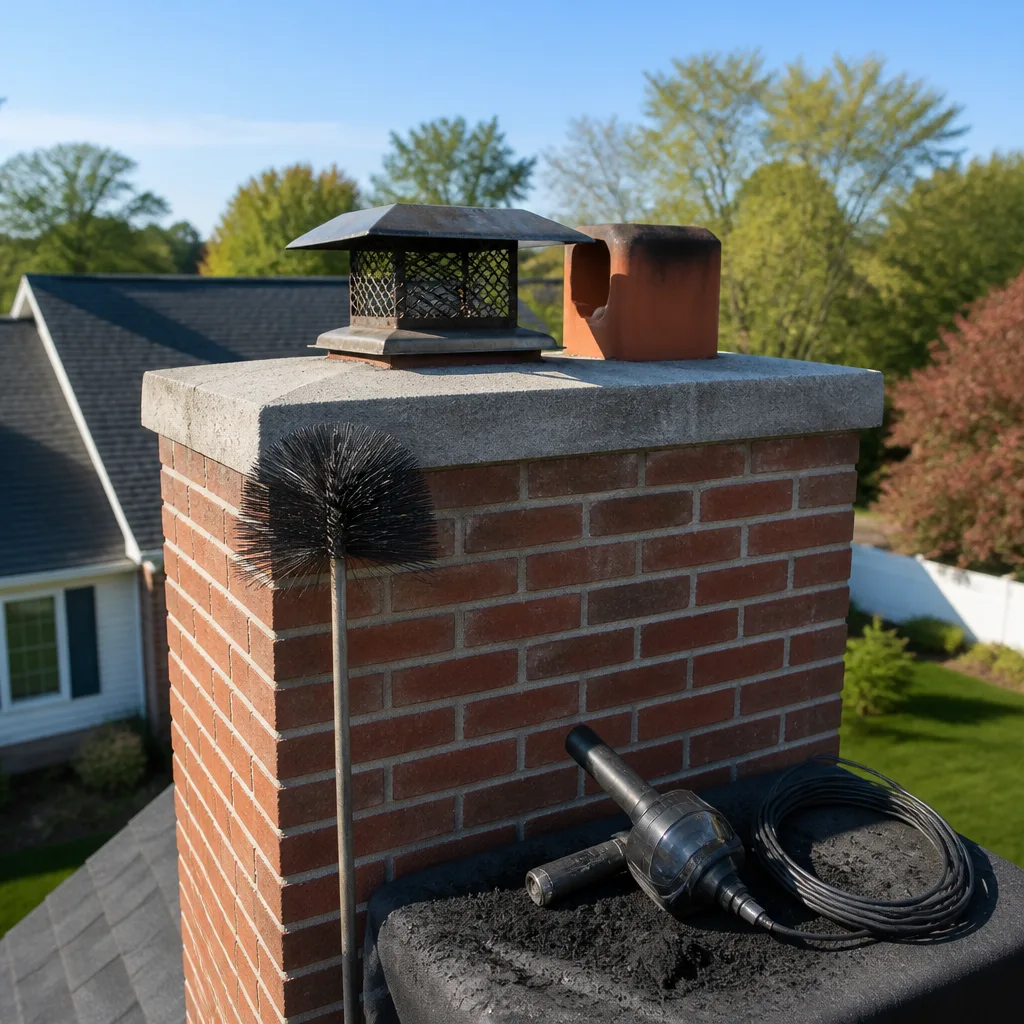 Sweep & inspection
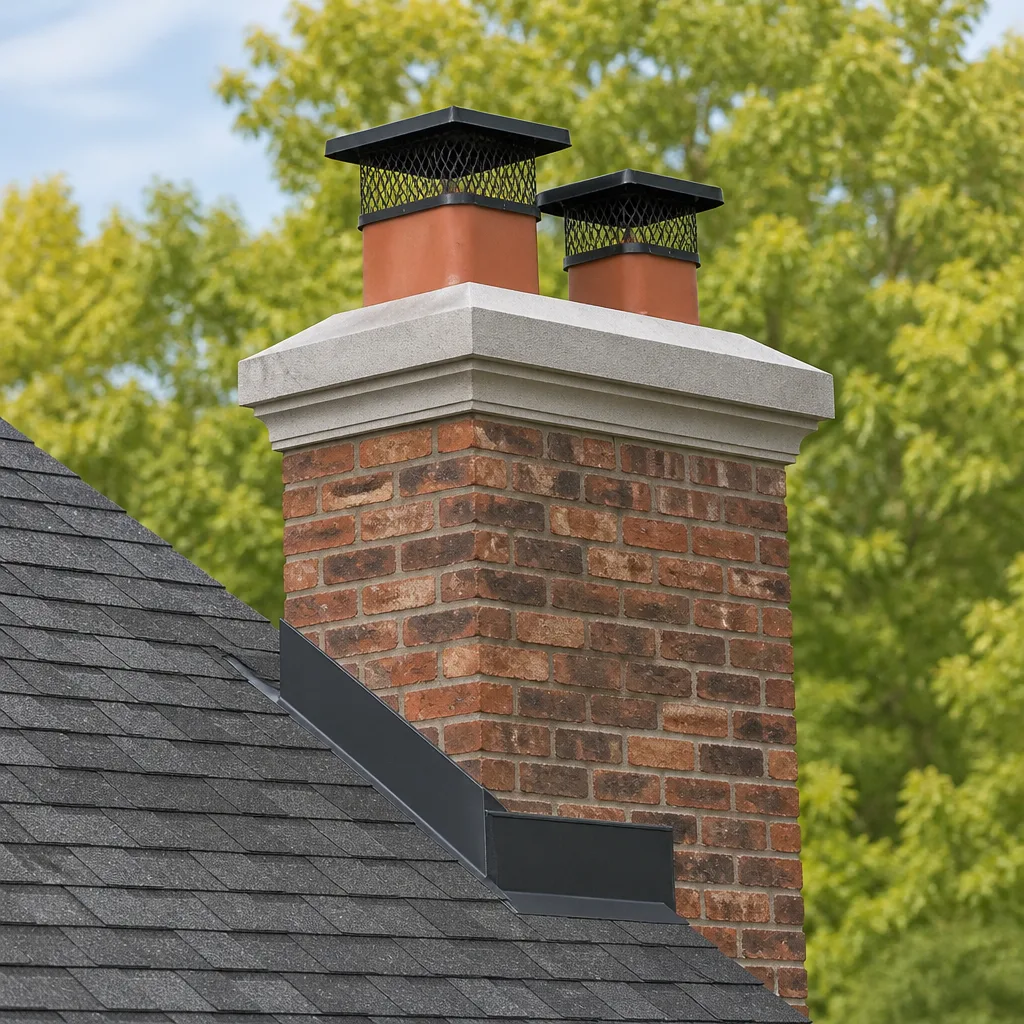 Caps & crowns
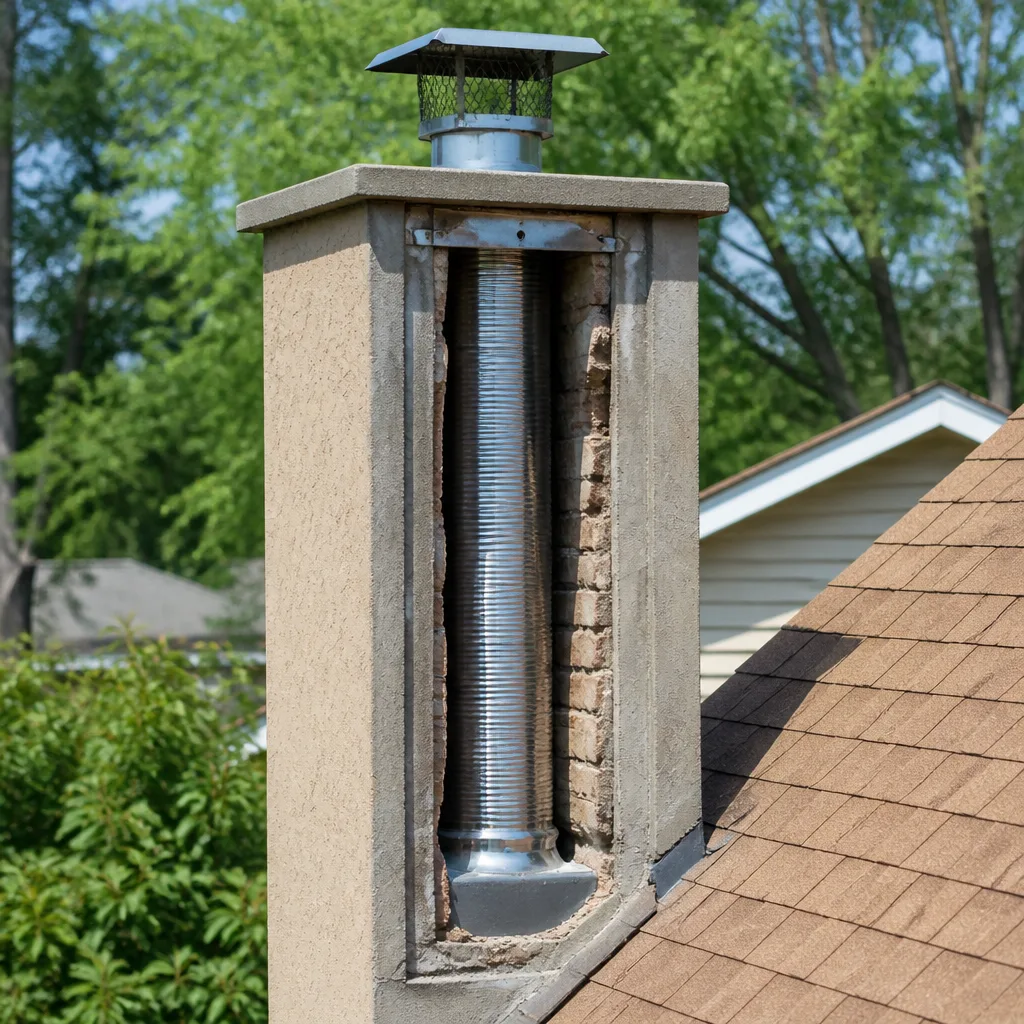 Flue relining
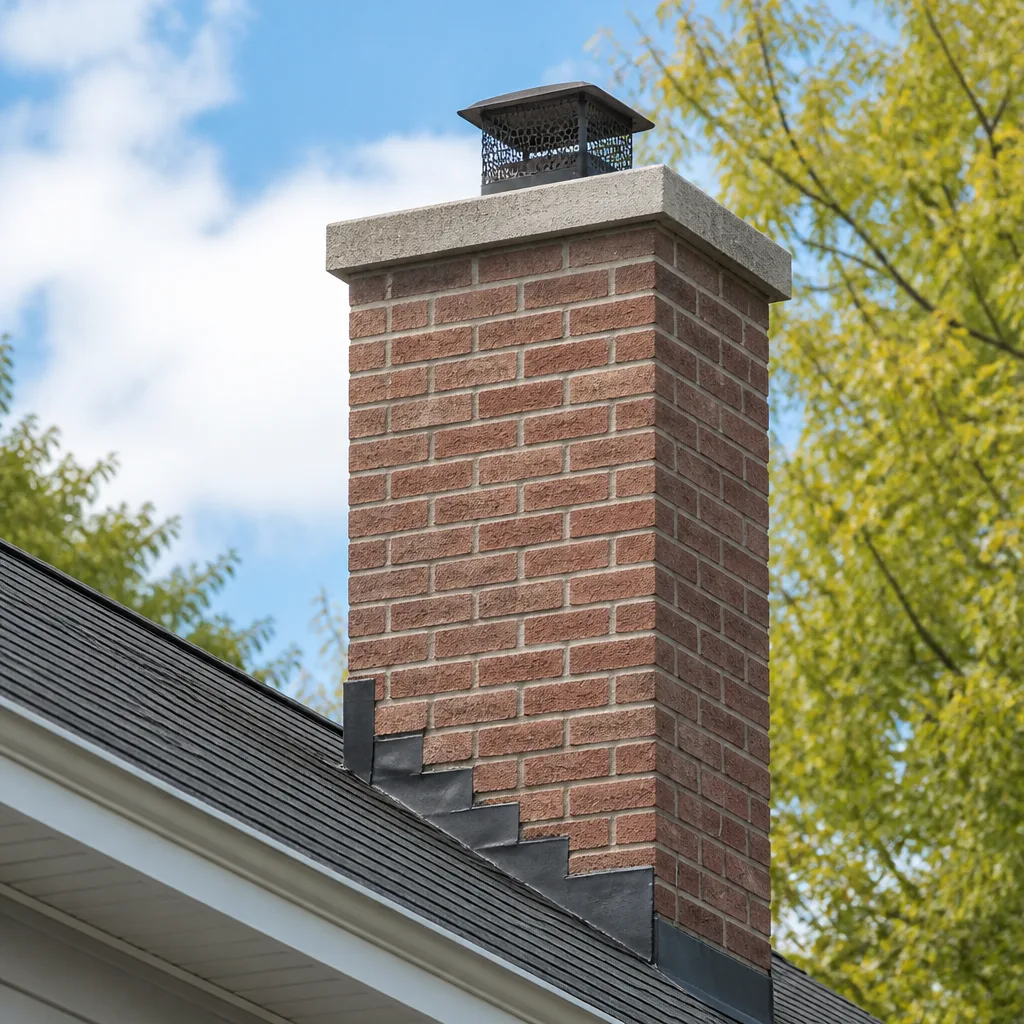 Masonry repair
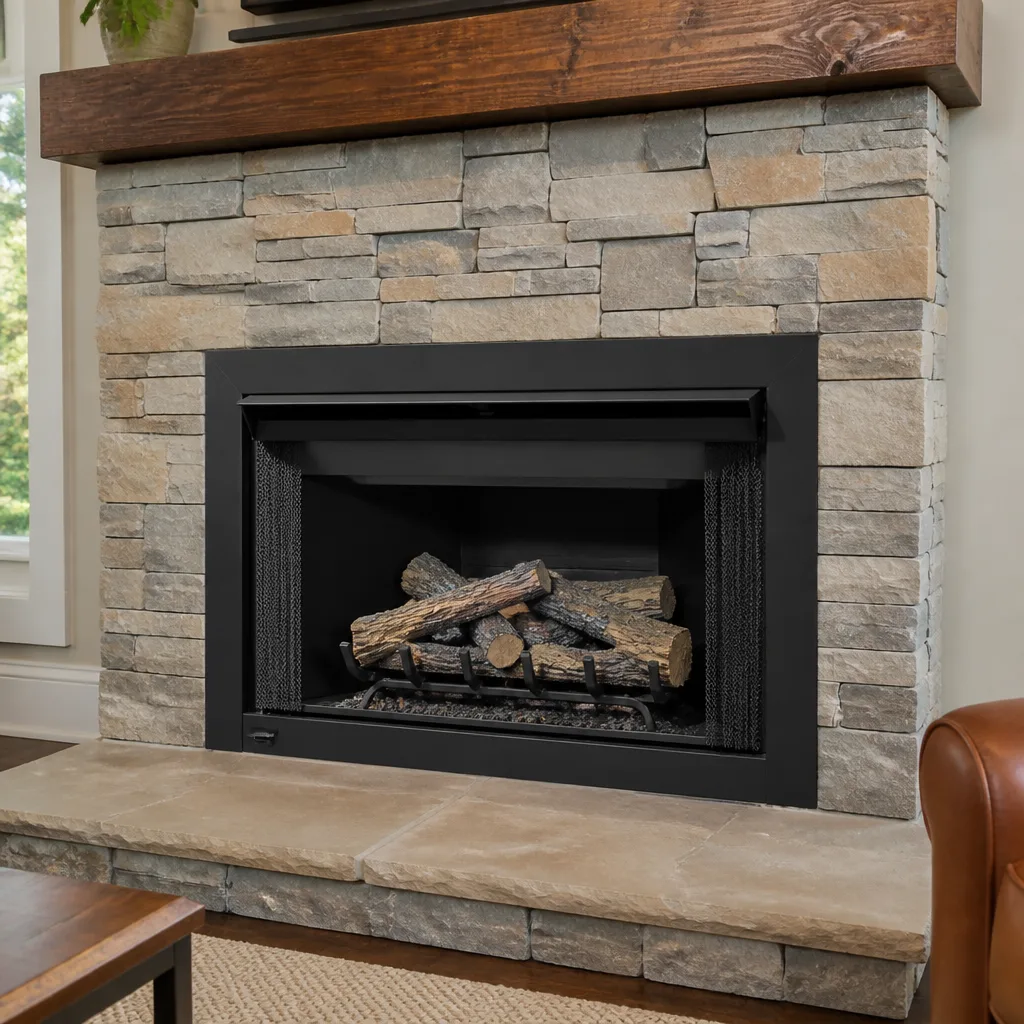 Gas fireplace service
Level 1 sweep and inspection to the NFPA 211 annual standard - flue, crown, cap, and flashing checked and photographed
Chimney sweep logs do not sweep chimneys. They loosen some creosote - which then falls where a brush and vacuum still have to collect it.
Seasonal Chimney Cleaning Care for Morningside: Year-Round Homeowner’s Guide
Summer is when Morningside chimneys take the most damage, and nobody is watching because nobody is burning wood. The fire is out, the flue is cold, and the whole system slips to the back of your mind until the first cold snap. But June through September is exactly when Georgia humidity works on mortar joints, clay tiles, and a metal cap that has been quietly rusting since spring. This guide breaks the year into four seasons and gives you specific things to check, schedule, or leave alone in each one, so your chimney is sound before burning season starts and stays that way afterward.
Styles & brands we work with
- Sweep & inspection
- Caps & crowns
- Flue relining
- Masonry repair
- Gas fireplace service
Quick Answer
Year-round chimney care in Morningside means treating each season as its own job: spring for a post-burn cleaning and a moisture assessment, summer for watching masonry and the cap, fall for a pre-season inspection before October, and winter for mid-season checks on draft, smoke, and odor. One annual sweep alone doesn’t cover what humidity does to a chimney between burns, and the damage that starts in a quiet summer often shows up as a draft problem the following winter.
Table of Contents
- Why Morningside’s Four Seasons Each Damage a Chimney Differently
- Summer: The Damage Season Nobody Watches
- Spring: The Appointment Worth More Than a Fall Sweep
- Fall: The Pre-Season Checklist for Atlanta-Area Burning Season
- Winter: Mid-Season Symptoms and What They Mean
- Closing Out the Fireplace at Season’s End
- The September Signs of Summer Damage
- Common Mistakes to Avoid
- When to Call a Professional
- Frequently Asked Questions
- The Bottom Line
Why Morningside’s Four Seasons Each Damage a Chimney Differently
A chimney in Morningside doesn’t face one weather problem, it faces four. North Georgia sits in a humid subtropical climate. That means long stretches of high humidity in summer, real freeze-thaw cycles in January and February when overnight temperatures drop below freezing and warm back up by afternoon, and a spring that arrives wet before it turns hot. Each of those conditions attacks a different part of the system.
Summer humidity is the one most homeowners underestimate. Masonry is porous. When mortar joints stay damp for weeks, they soften and crumble at the edges. A clay flue tile can absorb moisture too, and if a hairline crack lets water in, that tile can spall (flake and break) from the inside. None of that requires a single fire to happen. A chimney can be sitting idle all summer and getting worse.
Winter freeze-thaw is just as serious. Water that gets into a mortar joint or a crack during a wet spell freezes overnight, expands, and widens the opening. It thaws, refreezes, and the cycle repeats. By the end of winter, a hairline crack can be a real gap. That’s why the condition of your chimney in September tells you more about your summer than about your burning habits.
Fall and winter are about use. Creosote builds up in the flue as you burn, and a draft that worked fine in October can stall in January when temperatures and air pressure change. Smoke rollout, odor, and a slow draft are the symptoms to watch for in the middle of the season.
The practical upshot for a Morningside homeowner is that annual care shouldn’t be a single event in October. It should be a rhythm: one cleaning, one inspection, and a handful of quick visual checks spread across the year. Our technicians have up to 13 years of experience, and one pattern that holds every time: chimneys that get looked at in summer arrive at fall in noticeably better shape than ones that sat untouched.
Summer: The Damage Season Nobody Watches
June, July, and August are the highest-risk months for a Morningside chimney, and it’s precisely because nothing is happening. When you’re burning wood, you’re venting the flue regularly, and warm exhaust helps dry things out. When the fire is off for months, the inside of the chimney stays cool and damp, and outside humidity has nowhere to go.
Here’s what high humidity does to the three main materials in a chimney system:
- Mortar joints: Softens and erodes at the surface. You may see sandy grit collecting on the smoke shelf or the firebox floor. That grit is literally your mortar breaking down.
- Clay flue tiles: Absorb moisture and can develop white efflorescence (the powdery white staining) or spalling. A tile that cracks becomes a path for water and flue gases to escape into the surrounding structure.
- Steel dampers and metal caps: Rust. A cast-iron damper left at an angle in a damp flue can seize up by fall. A cap with rusted-through screening stops doing its job of keeping animals and rain out.
What you can do in summer without touching anything dangerous is simple observation. Look at the chimney from the ground and from inside the house. Check the firebox for grit or white staining. Open the damper and look for rust or stiffness. Check the cap and screen from a window or with binoculars. These are the checks that will tell you something by September.
Summer is also the smart time to book any repair you already know is coming. Morningside’s late-summer schedule gets busier as homeowners start thinking about the first cold snap, and getting a repair crew out to fix a crown or install a cap is easier before the calendar fills. A Gelco or Famco cap, for example, can go on in August and be doing its job all winter. If your summer check turns up a rusted cap or crumbling crown, that’s a call worth making now.
Spring: The Appointment Worth More Than a Fall Sweep
Most homeowners think the chimney sweep is a fall appointment. For a Morningside home with any history of moisture intrusion, spring is actually the more valuable slot, and here’s why.
By the time you call in October, any moisture problem has had five or six months to work. A mortar joint that started deteriorating in June has had a full Georgia summer to get worse. If you schedule the sweep in March or April, you shorten that window. You catch the condition at the end of the burning season, before summer humidity goes to work on it, and you have a whole season to get it fixed before the next fire.
Spring is also when you get the cleanest read on what your burning did over the winter. Creosote deposits, damage from a mid-winter draft problem, and the state of the firebox are all still fresh and easy to assess. By October, winter damage and summer damage are mixed together.
A spring visit from Chimney Sweep Morningside covers three things at once:
- A full sweep to clear creosote and soot so they don’t sit in a damp flue all summer.
- An inspection that documents what that winter did and what last summer’s humidity may have left behind. Inspections are a standalone, billed service, not a free upsell.
- A written report you can act on at your own pace. We document what we find before we recommend anything, including when the finding is that there’s nothing urgent.
We use camera inspection in every assessment and include a photo report so you can see the flue for yourself. That’s the difference between a recommendation you have to take on faith and one you can verify. If a spring assessment finds a minor repair to schedule for the summer, you’ll know exactly what it is, where it is, and when it needs attention. If it finds nothing, that’s a good outcome, and you’ll hear it plainly.
Fall: The Pre-Season Checklist for Atlanta-Area Burning Season
The Atlanta-area burning season generally runs from October through February. That’s about five months of regular use, and a chimney that’s going to run that long needs a proper start. Fall is when a cleaning and inspection should be complete, not just booked.
Here’s the pre-season checklist we’d give a Morningside homeowner heading into October:
- Confirm the sweep is done before the first fire. If the flue was swept in spring and not used again, you’re set. If you burned into the spring or didn’t sweep at all, get it swept before you light up.
- Look at the cap and crown. From the ground, check that the cap is sitting level, the screen is intact, and the crown (the concrete or masonry top that slopes away from the flue) isn’t cracked. Cracks in the crown let water into the mortar below it through the whole fall and winter.
- Test the damper. Open and close it a few times. It should move freely. A damper that sticks or doesn’t seal costs you draft and heat.
- Check for animal and bird activity. A firebox that was closed up all summer is prime nesting space if the cap is damaged or missing. Look and listen before you light.
- Confirm your detectors. This isn’t a chimney system check, but it belongs on any pre-season list. Replace the batteries on the same Sunday you schedule the sweep or the first fire, and make sure at least one carbon monoxide detector is working and placed on a level with bedrooms.
- Plan your wood supply. Better-burning seasoned wood means less creosote. In Atlanta-area humidity, wood that was split in summer may still be wet by October, so check it and plan ahead.
The important point about a fall sweep: it should be done based on what the chimney looks like and how much you burned, not on a generic schedule. A home that ran fires every night from November to February needs a sweep. A home that lit a handful of fires over the season probably doesn’t. The right answer comes from the inspection, not the calendar.
Winter: Mid-Season Symptoms and What They Mean
Once you’re burning through the winter, the questions shift from condition to performance. Three symptoms come up in Morningside homes every winter, and each one means something different. If you notice any of them, don’t wait until spring.
- Smoke rollout: Smoke curling out of the fireplace opening instead of going up the flue. This usually points to a draft problem: a flue that’s partially blocked, a flue that’s too cold to start, or a house that’s depressurized by exhaust fans and an HVAC running. If it starts happening to a fireplace that always worked, get it checked. Rollout is a sign the flue is not drawing properly, and a flue that doesn’t draw is a flue that can push carbon monoxide back into the room.
- Odor when you’re not burning: A smoky or chemical smell from the fireplace in winter usually means the flue is dirty enough that the small amount of air moving through it is carrying creosote smell into the house. It can also mean the chimney is blocked. Either way, a sweep and inspection is the answer.
- Slow or weak draft: The fire is harder to start, burns sluggishly, and feels like it’s fighting itself. This can be creosote buildup, a partially blocked flue, or a damper that isn’t opening fully. It’s the most common reason a fireplace goes from “worked fine” to “annoying” in mid-winter.
One more thing worth saying plainly: none of these symptoms should be diagnosed by burning through them. If your fireplace is making smoke indoors, stop using it and have it looked at. Carbon monoxide is the real concern. A working carbon monoxide alarm and an annual inspection are the two things that actually protect a household, and neither is optional.
Mid-season checks exist for a reason, and the fix is often simple. A sweep that clears a partial creosote blockage can restore a fire that was working months earlier. If you’re seeing a symptom in January, calling for a chimney sweep now is cheaper than waiting and discovering the problem has grown by March.
Closing Out the Fireplace at Season’s End
How you close out the fireplace matters as much as how you start it. What happens in the weeks after your last fire of the season sets up everything that summer humidity will do.
Here’s what a proper close-out involves:
- Burn through your remaining wood or store it properly. Any wood you didn’t burn should be kept dry and off the ground, away from the house. Wood left in a damp firebox over summer is a mold and pest problem.
- Clean out the firebox and ash pit completely. Ash left in a firebox holds moisture and, believe it or not, is a common source of summer odor. A full clean-out dries the firebox out.
- Close the damper after the final burn. This blocks drafts and keeps humid outside air from cycling through the flue all summer. A damper left open is a small, continuous moisture leak.
- Get the chimney swept before the summer. This is the core spring-vs-fall argument. Creosote left all summer is not just a next-season problem; it attracts moisture and can hide cracks in the flue surface.
- Check that the cap is intact and the crown is sound. This is your best defense against summer rain and nesting animals. If the cap screen is torn or the crown is cracked, fix it before the summer, not after.
- Note the date of your last burn and any symptoms you noticed. A quick note about that slow draft in February or the odor in January becomes very useful when you’re scheduling your fall inspection.
A close-out done right costs very little and prevents a summer of moisture damage. A close-out skipped is how a chimney that worked fine in February arrives at October with a new set of problems. When your system needs a real repair before it gets closed out, we handle it in one place: cap and crown work, liner restoration, and fireplace repair all come from the same team.
The September Signs of Summer Damage
By the time September arrives, whatever your chimney absorbed in June, July, and August has already done its work. Before burning season, take an hour and look for these specific signs. Each one tells you to schedule a service before the first fire.
- White or powdery staining on the exterior chimney or in the firebox: Efflorescence is a sign of moisture moving through masonry. Where moisture goes in, damage can follow. Get it inspected before the first fire.
- Crumbling or sandy mortar joints: Check the joints between bricks on the exterior chimney. If they look recessed, sandy, or flaky, summer erosion has taken hold and needs to be addressed before winter freeze-thaw makes it worse.
- Cracks in the crown: The crown slopes away from the flue to shed water. A crack in it is a direct route for rain into the masonry below. This is one of the most common problems we find in Morningside homes in September, and it’s cheap to fix early.
- Visible rust on the damper or cap: Rust on the damper or in the firebox is a sign of prolonged moisture exposure. Rusted-through cap screen is another.
- Animal or bird evidence: Droppings, nesting material, or scratching sounds at the damper mean the cap isn’t doing its job. Don’t burn until the flue has been inspected and cleared.
- Loose flashing or gaps where the chimney meets the roof: This is outside the flue system but affects it directly. A gap in the flashing lets water into the chimney structure, which is the slow version of a roof leak.
If any of these show up, the right move is a proper inspection, with a camera and a report. If a flue liner is deteriorating and masonry is starting to absorb moisture through it, there’s a fix that doesn’t require a full rebuild. HeatShield liner restoration resurfaces a crumbling flue interior and is a service most sweep-only companies don’t offer. It’s not right for every liner, but when it is, it can extend the life of a flue that would otherwise need a complete replacement. Where a full liner is genuinely needed, DuraFlex flexible liner systems are what we install. chimney cap & crown work uses Gelco and Famco components, both built to tight dimensional tolerances, which is why we use them on jobs that need to be right the first time.
The reason September matters here is that all of this needs to be finished before October. Once you’re burning, an inspection is harder and repairs are more disruptive. A September inspection puts you ahead of both the damage and the calendar.
Common Mistakes to Avoid
- Treating the annual sweep as a one-and-done. A sweep in October clears last year’s creosote, but it doesn’t catch the summer damage that started in June. The sweep needs to be part of a season-by-season routine, not the whole routine.
- Assuming a chimney is fine because nothing burned. The most expensive chimney damage often happens in a fireplace that sat unused all summer. Humidity doesn’t care whether you had a fire.
- Putting off a crown repair until fall. A cracked crown in April lets water into masonry all summer. In a Morningside home with a wet spring and a humid summer, a crown crack can do a full season’s damage before the first fire is lit.
- Burning through a draft problem to “see if it clears up.” Smoke rollout and a slow draft are symptoms, not quirks. Burning through them risks carbon monoxide in the home. Stop, vent the room, and get the flue inspected.
- Leaving the damper open over summer. A small oversight with a real cost. An open damper is a constant path for humid outside air into the flue and the house.
- Skipping the inspection because the sweep looked “fine.” A sweep and an inspection are different services. A camera inspection checks the flue liner, the joints behind the firebox, the smoke chamber, and the cap in ways a visual sweep can’t.
- Hiring a sweep who can’t do the repair. If the company that cleans your chimney can’t also fix a crown, install a cap, or restore a liner, you’re facing a handoff to a second contractor. Our five service categories cover cleaning, inspection, cap & crown, fireplace repair, and structural chimney repair, so the whole system is handled in one relationship.
When to Call a Professional
Some seasonal chimney work is genuinely a phone call rather than a decision. Call a professional if you notice smoke rolling back into the room during a burn, a persistent odor in the winter when the fireplace is off, a fire that burns sluggishly or won’t draft, or any visible sign from the September checklist like white staining, crumbling mortar, or a cracked crown. Call immediately if you see animal evidence in the firebox or hear scratching at the damper before burning.
A word on safety: the interior of a chimney is not a place to investigate on your own. High temperatures, carbon monoxide, and structural risk make the flue a professional-only space. That’s not a sales pitch, it’s just where the danger is. A proper inspection with a camera and a photo report is the responsible first step, and it’s a standalone, billed service. Chimney Sweep Morningside offers free estimates in Morningside. Call (877) 820-8736. We answer 24/7, with fast dispatch from 7am to 7pm, Sunday through Friday.
Frequently Asked Questions
Most Morningside homes should be swept once a year, after the burning season and before summer humidity sets in, though a home with heavy winter use may need a mid-season check as well. If you burn a few fires a season, the real answer comes from an inspection rather than a fixed schedule. Call (877) 820-8736 for an exact quote. Estimates are free.
Yes, though the reason is different. A gas fireplace doesn’t produce creosote the way wood does, but it does produce moisture and can attract debris and nesting. A gas log set can run for years without real creosote but still needs an inspection to confirm the vent is clear and the damper and cap are working. The right interval depends on the setup, and an inspection tells you.
Skipping a year usually doesn’t cause an immediate crisis, but it does give moisture and creosote an extra season to work. In Morningside’s climate, a missed year often means a small crack becomes a real one, a soft mortar joint becomes a crumbling one, and a liner that could have been restored needs full replacement. The cost of catching it late is higher than the cost of catching it on time. Call (877) 820-8736 for an exact quote. Estimates are free.
You can and should do the visual checks from the ground and inside the house: looking at the firebox, opening and closing the damper, checking the cap from a window or with binoculars, and noting any symptoms. The work inside the flue itself, cleaning, camera inspection, and anything touching the liner, is a professional job. If anything looks off, that’s the time to call. We answer 24/7.
We’re closed Saturday. We answer the phones 24/7, and we dispatch Sunday through Friday, 7am to 7pm, so a call over the weekend is booked into the next opening on Sunday. Call (877) 820-8736 to schedule.
A chimney sweep in Morningside is typically in the low-to-mid hundreds for a standard cleaning, and an inspection is priced separately because it’s a standalone service, not a free add-on. Repairs like cap, crown, or liner restoration are quoted per job once we’ve seen what’s actually needed. The written estimate sets the final price. Call (877) 820-8736 for an exact quote. Estimates are free.
The Bottom Line
Morningside’s four seasons do four different things to a chimney. Summer humidity attacks mortar and flue tile while the system sits unused. Winter freeze-thaw widens any crack that let water in. Fall and winter are about burning clean and watching for symptoms. If you take away one point from this guide, take this: an October sweep is a good start, but it’s not the whole year. A spring cleaning, a summer visual check, a September inspection, and a mid-winter watch for draft and smoke symptoms will keep a Morningside chimney sound in a way an annual sweep on its own can’t. We document what we find before we recommend anything, and we tell you plainly when a repair can safely wait. If a repair is needed, it’s handled in one place, from the crown to the firebox. Call (877) 820-8736. We answer 24/7, with fast dispatch from 7am to 7pm, Sunday through Friday, and free estimates.
Written by the team at Chimney Sweep Morningside.
See the difference
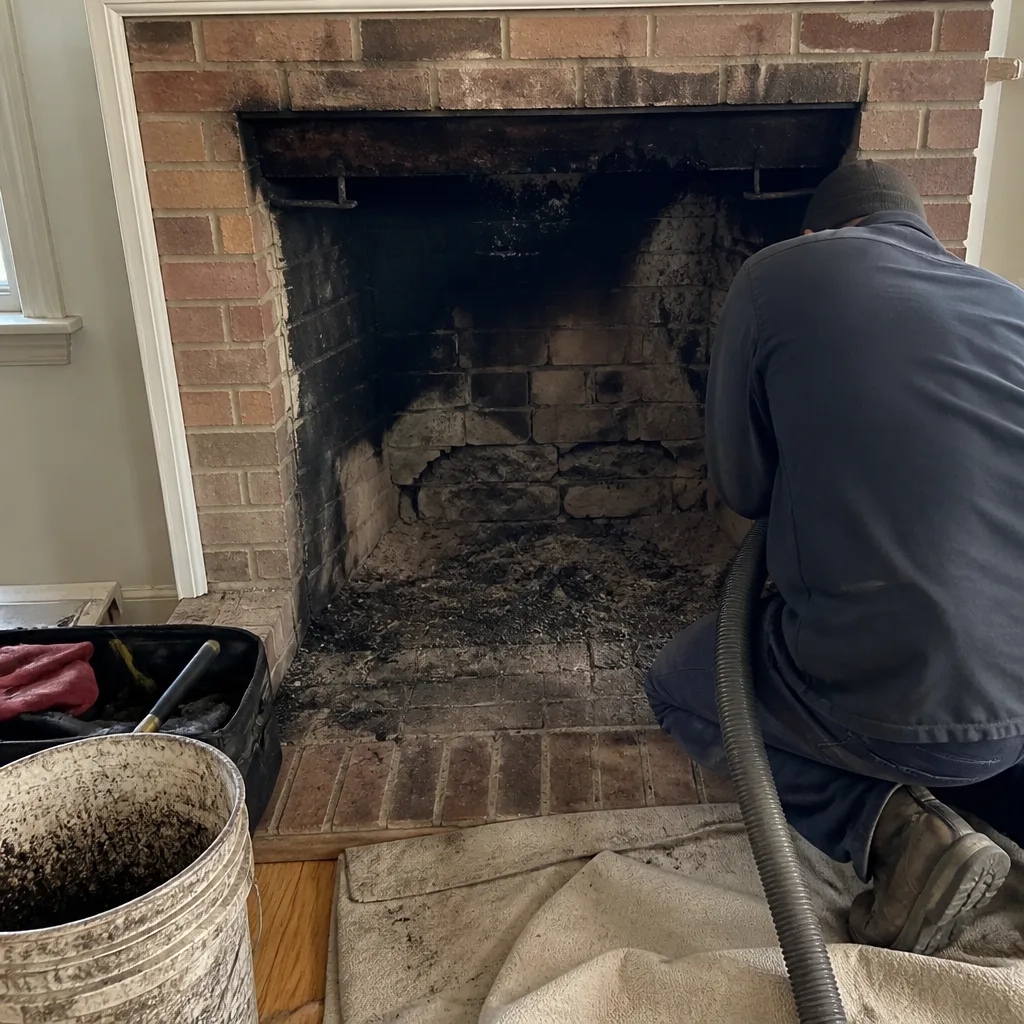 Before
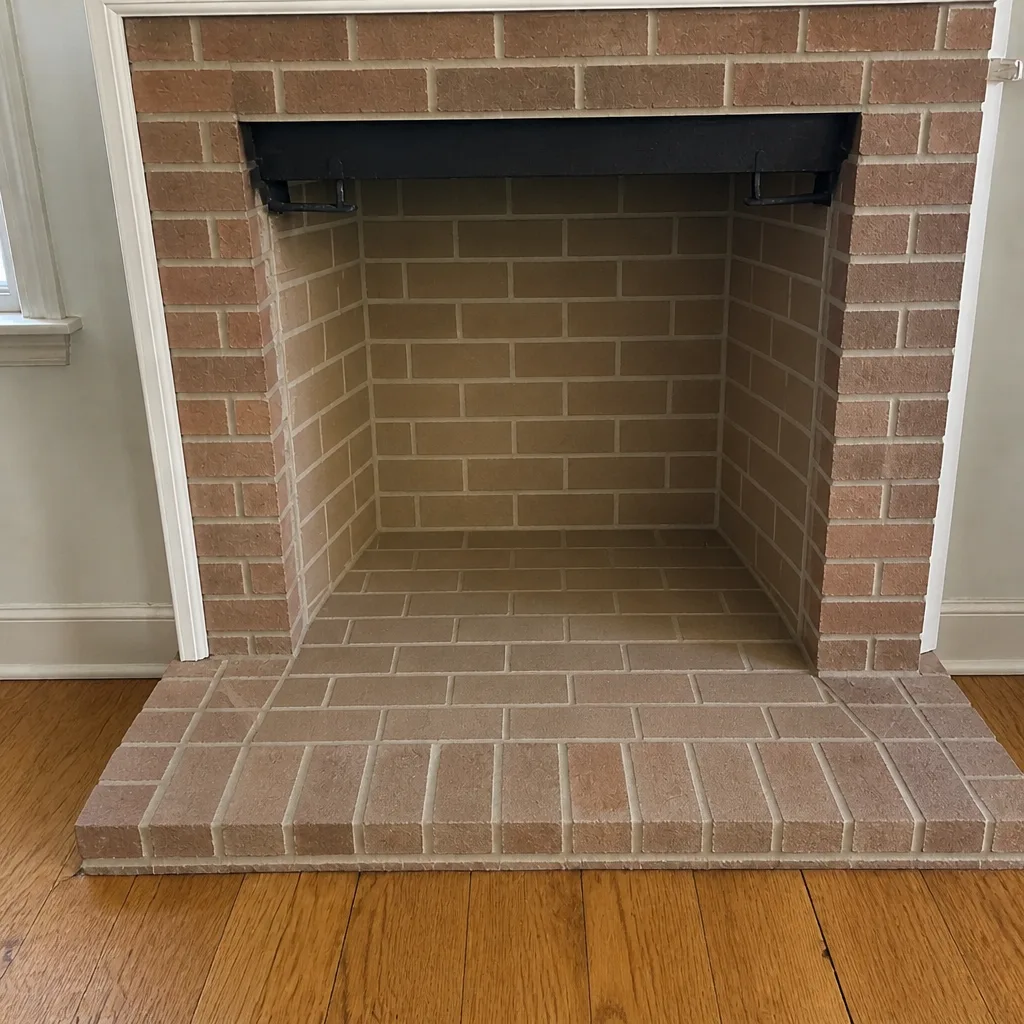 After
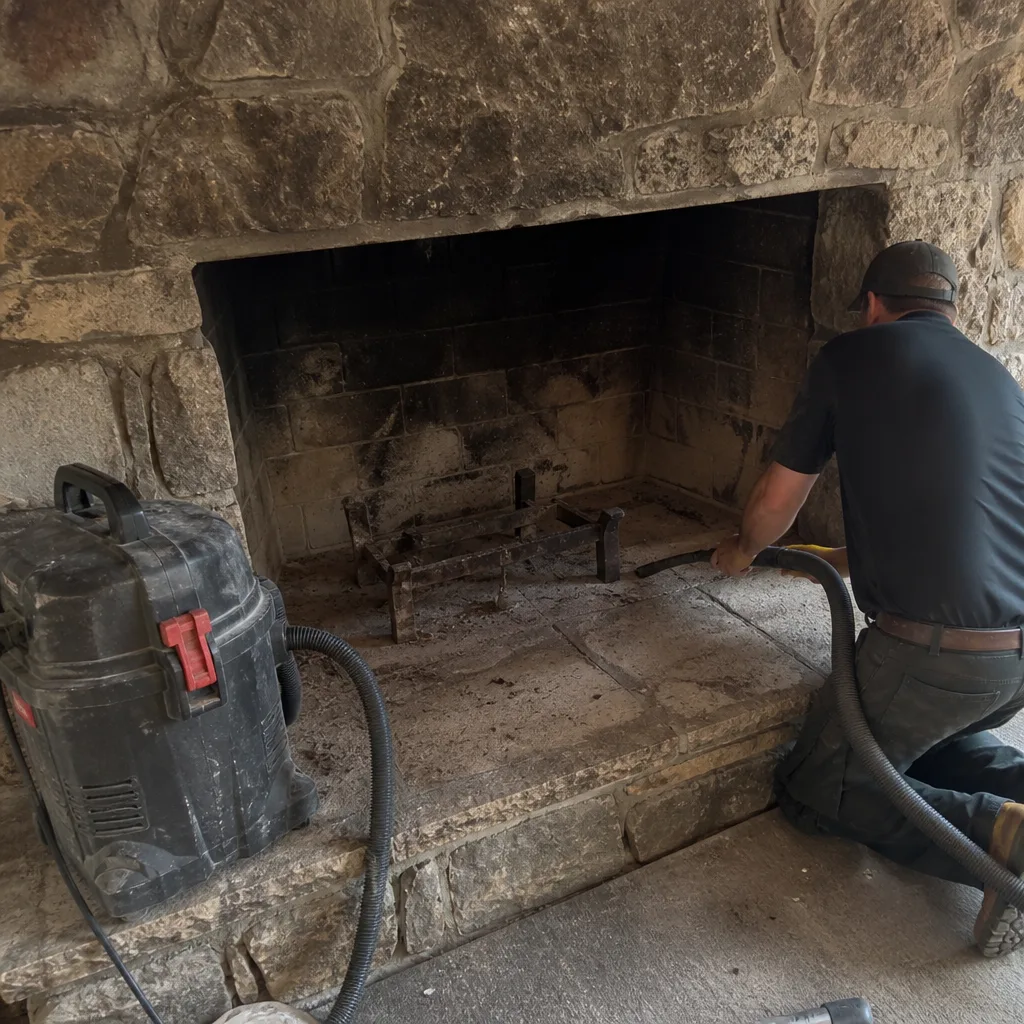 Before
 After
 Before
 After