
Last updated November 25, 2026
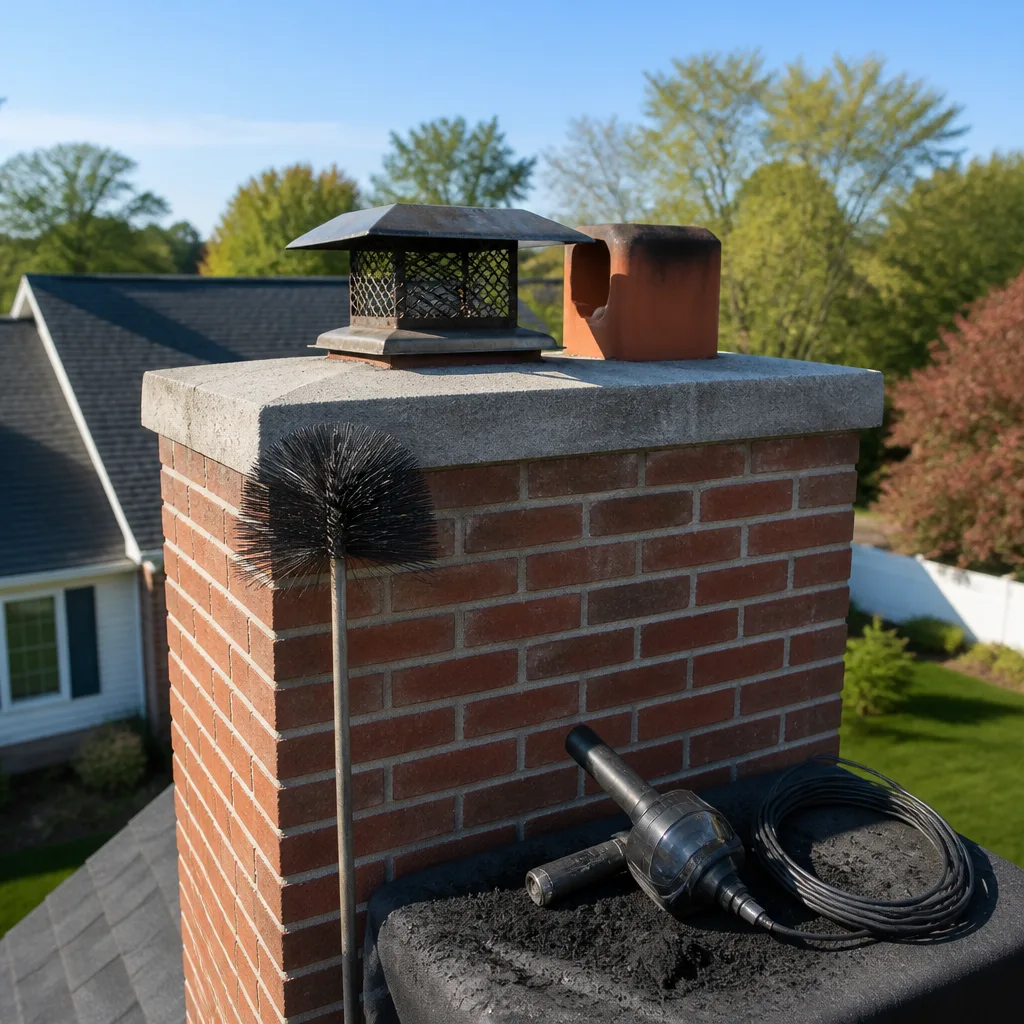 Sweep & inspection
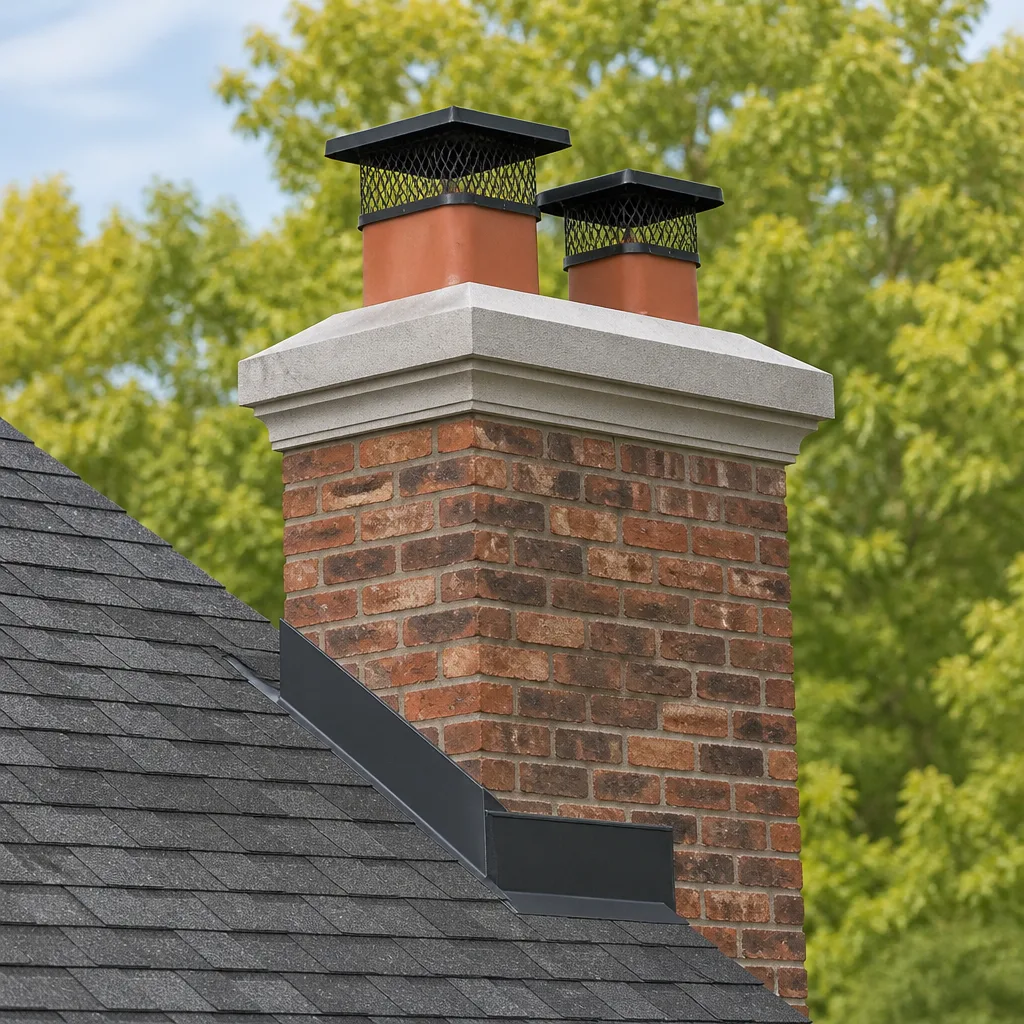 Caps & crowns
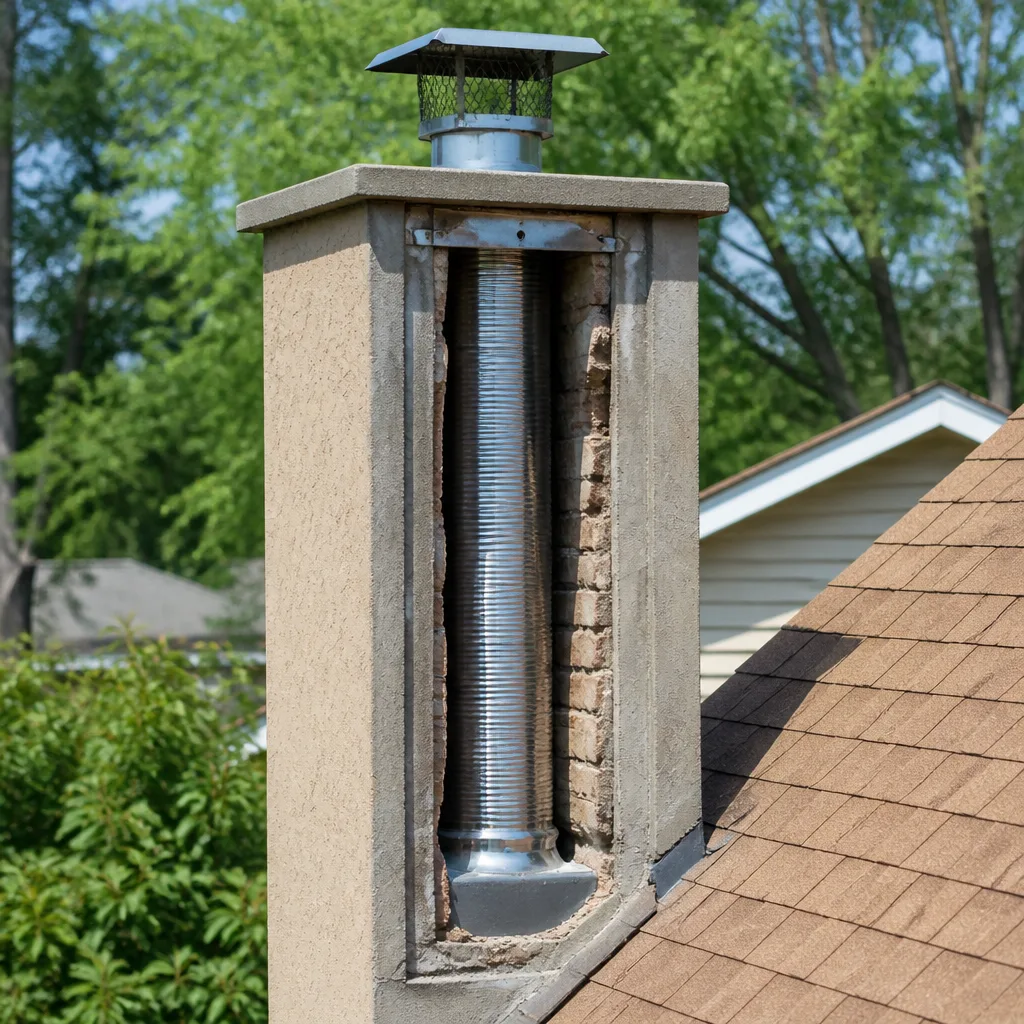 Flue relining
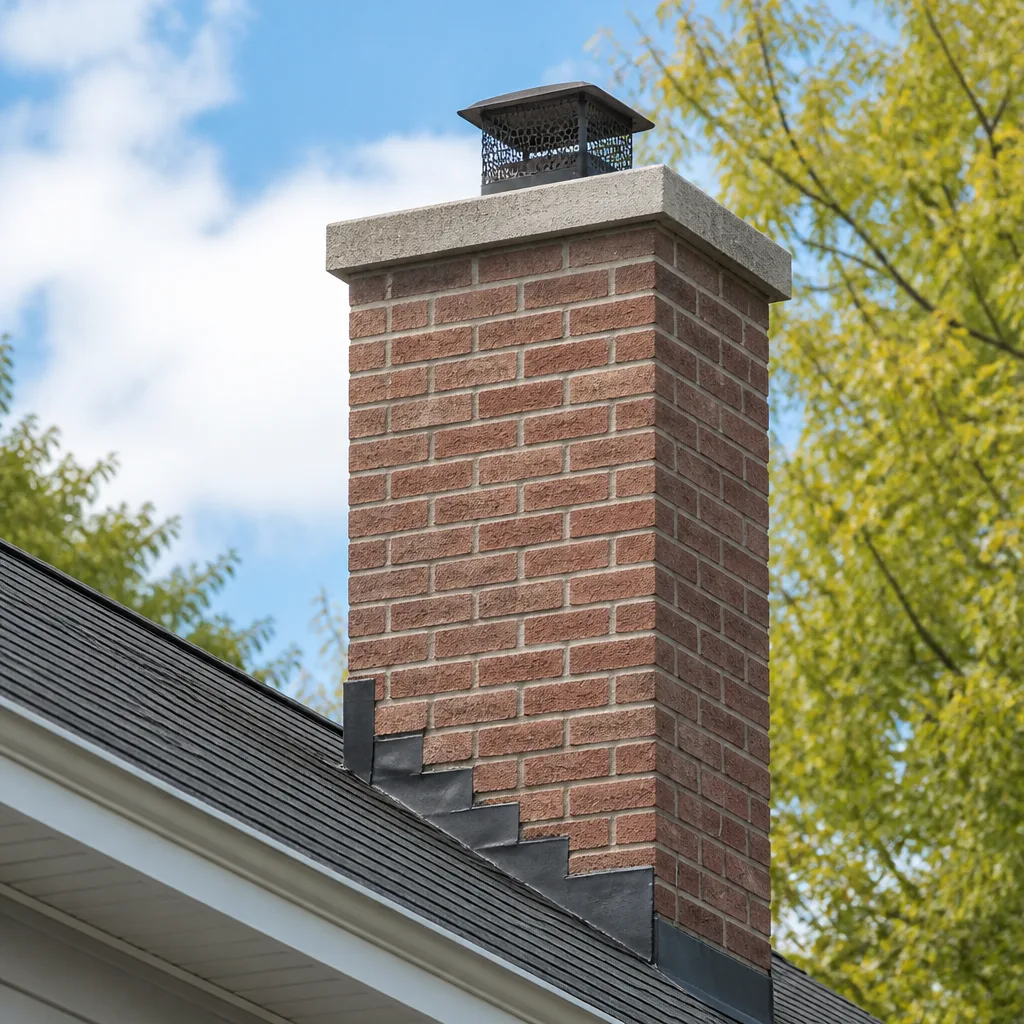 Masonry repair
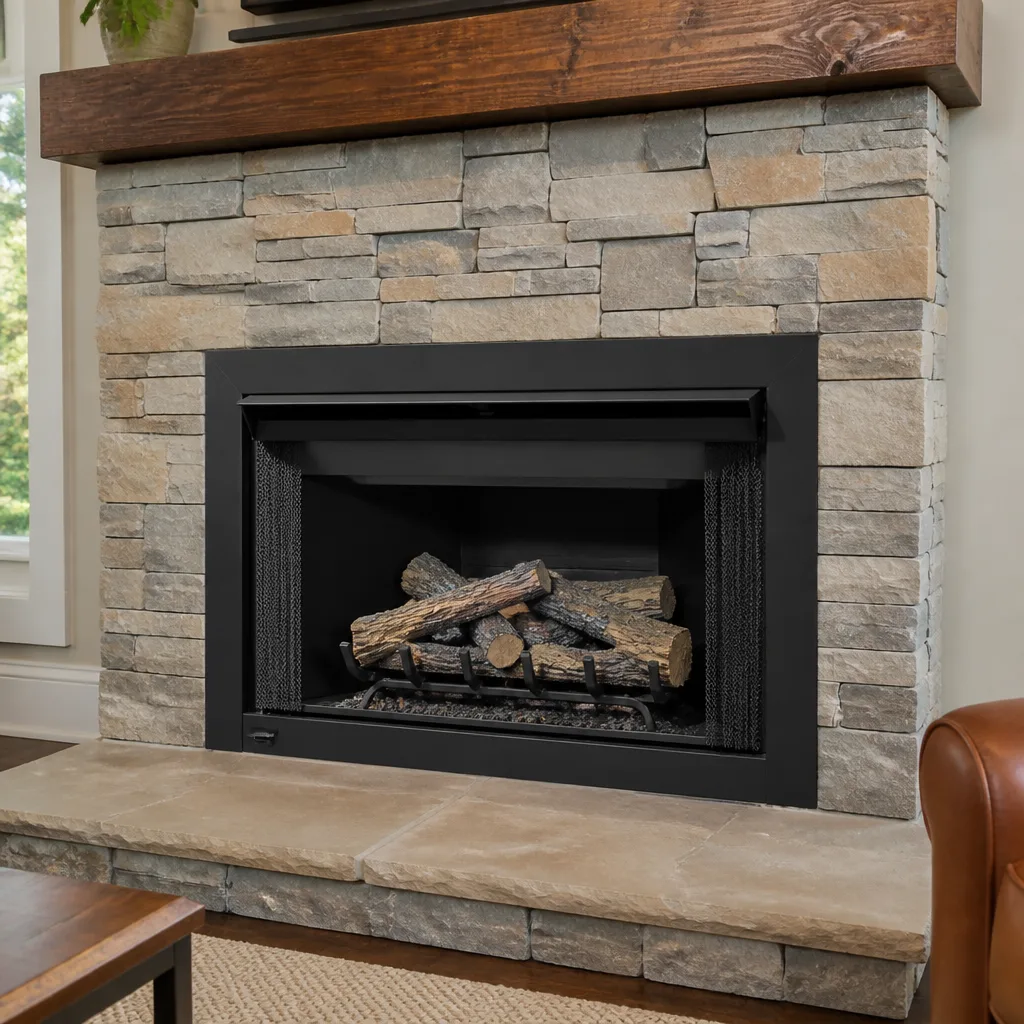 Gas fireplace service
Level 1 sweep and inspection to the NFPA 211 annual standard - flue, crown, cap, and flashing checked and photographed
Chimney sweep logs do not sweep chimneys. They loosen some creosote - which then falls where a brush and vacuum still have to collect it.
Chimney Cleaning Permits, Codes & Inspections in Morningside, GA: What You Need to Know
Most homeowners assume the permit question starts and ends with the sweep. It doesn’t. Cleaning a chimney in Georgia generally doesn’t require a permit. But the moment a technician finds cracked flue tile, a failing crown, or a liner that’s given up, and you agree to have it fixed, you’ve crossed a line most people never see coming: the line between maintenance and regulated construction work. That distinction matters at resale, at claim time after a chimney fire, and when a buyer’s inspector starts asking for paperwork. This guide walks Morningside homeowners through exactly where that line falls, which repairs pull a permit, what NFPA 211 and the residential code expect for inspections after major work, and what to ask a contractor to document even when no permit is involved.
Quick Answer
Chimney sweeping itself does not require a permit in Georgia. Chimney repairs that alter the structure or flue system, including relining, crown replacement, and rebuilding a chimney above the roofline, generally do require a permit through the local code authority that has jurisdiction over your Morningside address, which is typically the City of Atlanta or DeKalb County depending on the parcel. A Level 2 inspection following major repair work is expected under NFPA 211 standards, and documenting it protects you at resale and at insurance claim time.
Styles & brands we work with
- Sweep & inspection
- Caps & crowns
- Flue relining
- Masonry repair
- Gas fireplace service
Table of Contents
- Where the line falls between cleaning and repair
- Which repairs trigger a permit in Morningside
- What IRC Chapter 10 and NFPA 211 require after major repair
- Level 1, Level 2, and Level 3 inspections explained
- How permit records affect a homeowner’s insurance claim
- What to document even when no permit is required
- How Morningside’s climate and housing stock shape the work
- Questions to ask before any chimney repair begins
Where the Line Falls Between Cleaning and Repair in Morningside
Cleaning removes creosote, soot, and debris from a flue that is structurally unchanged. Repair changes something about the chimney system: its liner, its crown, its cap, its masonry, or the flue itself. That difference is what determines whether a permit is involved.
Under the Georgia Residential Code, chimney work that modifies the structure or replaces a component of the venting system falls under the same permit framework as other residential construction. A straightforward sweep doesn’t. But a re-line, a rebuilt crown, or a chimney rebuild above the roofline is construction work, and construction work in Morningside goes through the code authority that governs the property.
Here’s the practical catch. Morningside sits inside the City of Atlanta but includes parcels that fall under DeKalb County’s jurisdiction for permitting, depending on how the property is recorded. Two houses on the same street can technically route through different offices. In our experience, this is the number one source of confusion when a homeowner tries to verify whether a repair was permitted. The answer isn’t “Atlanta” or “DeKalb” as a blanket rule. It’s whatever authority has jurisdiction over that specific parcel.
The simplest way to check: pull the property record through the city or county, or ask the contractor to confirm which authority they’ll file with before work begins. A contractor who can’t answer that question clearly is telling you something.
If you’re booking maintenance rather than repair, a standard chimney sweep won’t cross into permit territory. It’s when the sweep becomes a repair recommendation that the conversation changes.
Which Repairs Trigger a Permit in Morningside
Not every repair needs a permit. Some do. The distinction isn’t arbitrary, it tracks whether the work alters the structure or the venting system in a way that affects safety and code compliance.
These repair types generally require a permit:
- Relining a flue. Installing a new liner, whether stainless flexible or a cast-in-place restoration, replaces the venting system. This is construction work.
- Crown replacement. The crown is the concrete cap at the top of the chimney that sheds water away from the masonry. Replacing it is structural work at the roofline.
- Full chimney rebuild above the roofline. Rebuilding masonry above the roof deck requires a permit.
- Firebox rebuilds that alter the firebox dimensions or the smoke chamber. Changes to the firebox affect how the chimney drafts, which ties back to the venting system.
- Adding or replacing a wood-burning appliance or insert. New appliance installation almost always requires a permit.
These typically do not require a permit:
- Routine sweeping and creosote removal
- Chimney cap installation where no structural change is involved
- Minor mortar repointing on the exterior where no structural element is replaced
- Damper replacement that doesn’t alter the flue
A good rule of thumb: if the repair involves replacing a component of the flue or the surrounding structure, ask about a permit. If it’s cleaning, tightening, or cosmetic, it likely doesn’t. The chimney cap & crown work we handle is a good example, because crown replacement usually does require a permit, while a cap swap often doesn’t. Getting that distinction right before the work starts saves everyone a headache later.
What IRC Chapter 10 and NFPA 211 Require After Major Repair
Two standards govern chimney work in the United States, and they interact with local code in ways most homeowners never hear about. The International Residential Code, Chapter 10, covers chimneys and vents, and most jurisdictions in Georgia adopt it with local amendments. NFPA 211 is the Standard for Chimneys, Fireplaces, Vents, and Solid Fuel-Burning Appliances, and it’s the reference point for how inspections should be performed and documented.
What matters after major repair work is this: NFPA 211 expects a Level 2 inspection following any change to the chimney system, including a new liner, a replaced crown, or a change in the appliance being vented. That inspection is separate from the code official’s final inspection. A permit inspection confirms the work was done to code. A Level 2 inspection confirms the whole system, including the parts that weren’t touched, is functioning safely as a unit.
Here’s what that means in practice:
- The repair is permitted through the correct authority (City of Atlanta or DeKalb County, depending on the parcel).
- The work is completed and inspected by the code official.
- A Level 2 inspection of the system is performed afterward, with findings documented in a written report and photo record.
- The report is kept with the home’s records for resale and insurance.
Skipping step three is common. It’s also the step that causes the most trouble later, because the code official’s sign-off confirms what was inspected, not what the whole system looks like. We document what we find before we recommend anything, and that includes the post-repair inspection. The written record is the point.
Level 1, Level 2, and Level 3 Inspections Explained
The three inspection levels come from NFPA 211, and knowing which one applies tells you what you’re paying for and why. Inspections are a standalone, billed service. They aren’t a free add-on to a sweep, and they shouldn’t be.
Level 1 Inspection
This is the standard inspection performed during a routine annual service. The technician inspects the readily accessible portions of the chimney: the firebox, the smoke chamber, the damper, the flue as far as can be seen, and the exterior components that can be reached without special tools. It confirms the appliance is safe to continue using as-is. A Level 1 is appropriate when nothing has changed since the last inspection and there’s no known problem.
Level 2 Inspection
This is required after a change in the chimney system, a change in the appliance, a chimney fire, a property transfer, or any other event that could affect the venting system. It includes everything in a Level 1 plus inspection of accessible attics, crawl spaces, and other areas connected to the chimney. Video scanning of the flue is standard. This is the inspection that catches the things you can’t see from the firebox.
Level 3 Inspection
This one is performed when a Level 1 or Level 2 finds a hazard that can’t be diagnosed without opening up part of the chimney or building. It’s essentially a targeted investigation. It’s recommended sparingly and only when the evidence justifies it. If a contractor recommends a Level 3 without first doing a Level 2 and showing you the video footage behind the recommendation, ask why.
The practical takeaway for Morningside homeowners: after any permitted repair, a Level 2 inspection is expected. After a routine sweep with no findings, a Level 1 is enough. Anything beyond that should come with a documented reason.
How Permit Records Affect a Homeowner’s Insurance Claim
This is the part almost nobody thinks about until it matters. When a chimney fire happens, the insurance claim process starts with the adjuster asking what caused it and what the chimney system looked like before the fire. That question gets answered with records.
Unpermitted work becomes a problem in two ways. First, if the work was never permitted and never inspected, the insurer may treat the cause of the fire as a code compliance issue and dispute coverage. Second, if the work was permitted but the final inspection was never closed out, the claim can stall while the paperwork gets sorted. Neither of these outcomes is guaranteed, and policies vary, but in our experience the difference between a smooth claim and a contested one often comes down to paper.
The specifics:
- Permitted and inspected: the repair has a public record. The insurer can verify it.
- Permitted but not final-inspected: the record exists but shows open work. This triggers questions.
- Unpermitted: no record exists. The insurer has to rely on the contractor’s word, or on a post-fire investigation, and neither is as clean.
- No repair, no record, no history: the chimney’s condition becomes a question of maintenance. Insurers may argue the loss was preventable.
Every homeowner is different, and we can’t speak to any individual policy. But the pattern we’ve seen is consistent: records make claims easier. If a repair was done, keep the permit, the inspection report, and the post-repair Level 2 inspection. Those three documents tell the whole story.
What to Document Even When No Permit Is Required
Morningside has a lot of older homes with original chimneys and fireplaces, and a lot of buyers who ask for chimney documentation in the inspection contingency. The repairs that don’t require a permit still deserve a paper trail. Here’s what to keep:
- Sweep records. The date of every sweep, who performed it, and what was found. A sweep log shows the chimney has been maintained.
- Inspection reports with photos. A written report is worth more than a verbal “looks fine.” Photo or video documentation is worth more than either.
- Repair invoices with scope of work. The invoice should name the components that were replaced and the materials used. This is why we work with professional-grade brands like DuraFlex and Olympia Chimney: the materials are documented and traceable, not anonymous.
- Manufacturer documentation. Liners, caps, and dampers come with manufacturer specifications. Keep them.
- The name and contact of the contractor who did the work. If a buyer’s inspector finds something, you want to be able to point to the source.
None of this is required when a repair doesn’t cross into permit territory. All of it is worth having. In our experience, the homeowner with a folder of documentation sells the house. The homeowner without one negotiates.
How Morningside’s Climate and Housing Stock Shape the Work
Morningside’s climate is wet and warm for much of the year, which means chimneys here take on water differently than they would in a drier part of the country. Masonry absorbs moisture, freezes on the occasional cold night, and spalls. The crown, which is the chimney’s first line of defense against water intrusion, is the often the first component to fail. Failed crowns lead to saturated masonry, which leads to cracked flue tile, which leads to a liner recommendation.
The housing stock matters too. Morningside has a mix of older homes with original chimneys and newer homes with modern venting systems, and the permitting history of each depends on who has owned it and what work has been done. A chimney that looks fine from the street can hide a long list of unpermitted repairs done by previous owners, and those come out during a Level 2 inspection. That’s not a reason to panic. It’s a reason to inspect before you buy or sell.
Timing matters too. We book hard in the fall, before burning season starts, and a backlog builds as the weather cools. A homeowner who wants a sweep, an inspection, or an appraisal of the chimney’s condition before a winter of use should book early, not during the first cold snap. For a broader look at the maintenance side of chimney care in Morningside, see our Chimney Sweep Morningside page.
Questions to Ask Before Any Chimney Repair Begins
The questions are simple. The answers tell you whether the contractor is going to do the job right. Ask every one of them before signing anything.
- Does this repair require a permit? A straight answer is what you want. “It depends” is also a fine answer, as long as it’s followed by an explanation of what it depends on.
- Which authority has jurisdiction over my address, and will you file with them? In Morningside this is City of Atlanta or DeKalb County, and the answer should be specific to your property.
- What inspection level applies after this work, and will you provide a written report? After major repair, Level 2 is the standard.
- Can I see the evidence behind the recommendation? Camera footage, photos, and the written findings from the inspection should be available before you’re asked to approve anything.
- What materials will you use, and can I see the manufacturer documentation? Named brands with documented performance are better than generic materials.
- Can this work safely wait? A contractor who can tell you when a repair can wait is a contractor you can trust to tell you when it can’t.
We handle the sweep, the inspection, and the repair in one relationship, so no one is handing off the diagnostic work to a crew that never saw the original inspection. If the chimney needs fireplace repair in addition to liner work, that stays with us too. Nothing gets subcontracted out, and the accountability stays in one place.
Common Mistakes to Avoid
- Skipping the permit on a re-line because “it’s inside the chimney.” Out of sight isn’t out of jurisdiction. A re-line alters the venting system, and that generally requires a permit.
- Believing the contractor who says “permits aren’t needed for chimneys in Georgia.” Sweeping doesn’t require one. Repairs often do. The blanket statement is a red flag.
- Not verifying which authority has jurisdiction. Morningside parcels can fall under the City of Atlanta or DeKalb County depending on the record. The wrong permit filed with the wrong office creates a record that doesn’t match the work.
- Closing out a permit without the post-repair Level 2 inspection. The code official’s sign-off is not the same as an NFPA 211 Level 2. Both records matter, for different reasons.
- Discarding the inspection report after the repair. The report is the paper trail at resale and at claim time. Keep it with the home’s records.
- Treating an inspection as a sales pitch. A good inspection is a diagnostic service that gives you information to act on, not a quote disguised as a checkup. If the recommendation arrives before the evidence, walk away.
- Booking a sweep during the first cold snap of the season. Fall is the busiest window in Morningside. Booking early avoids the scramble.
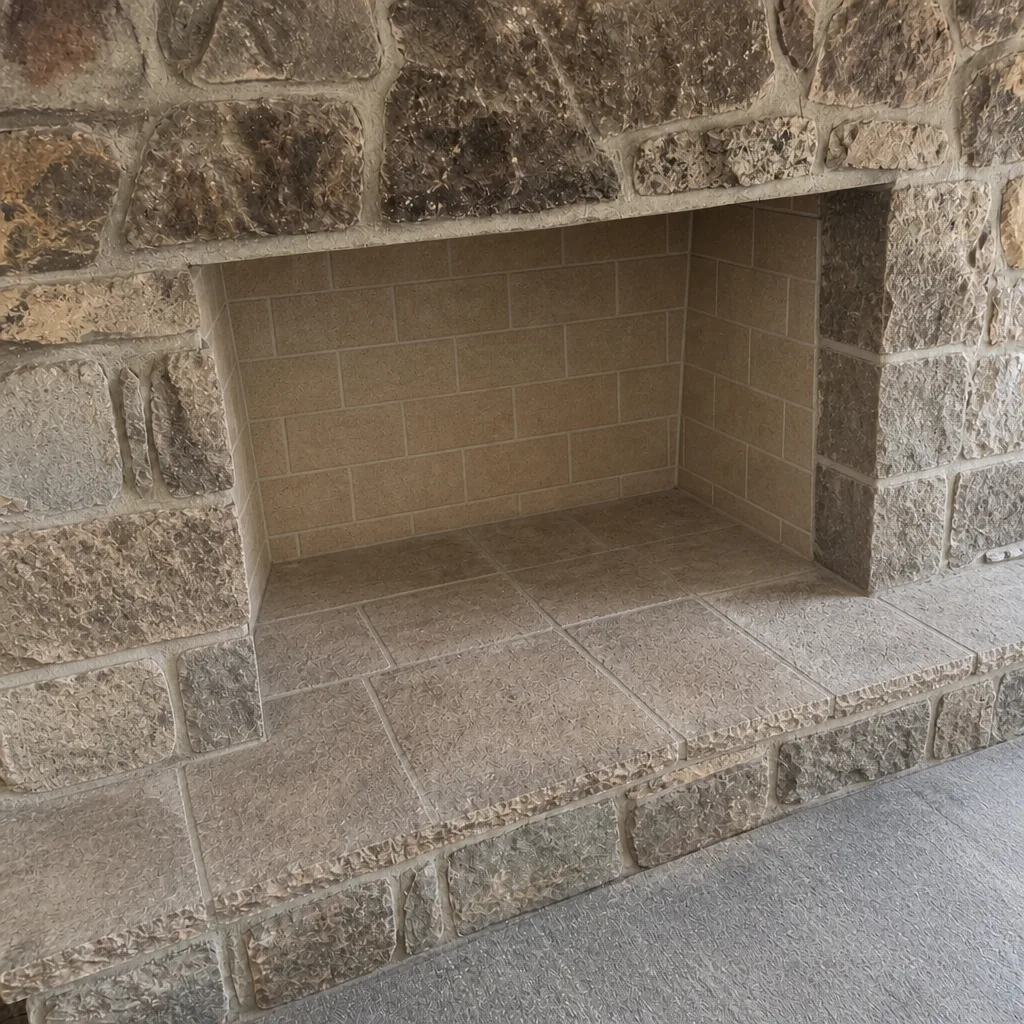
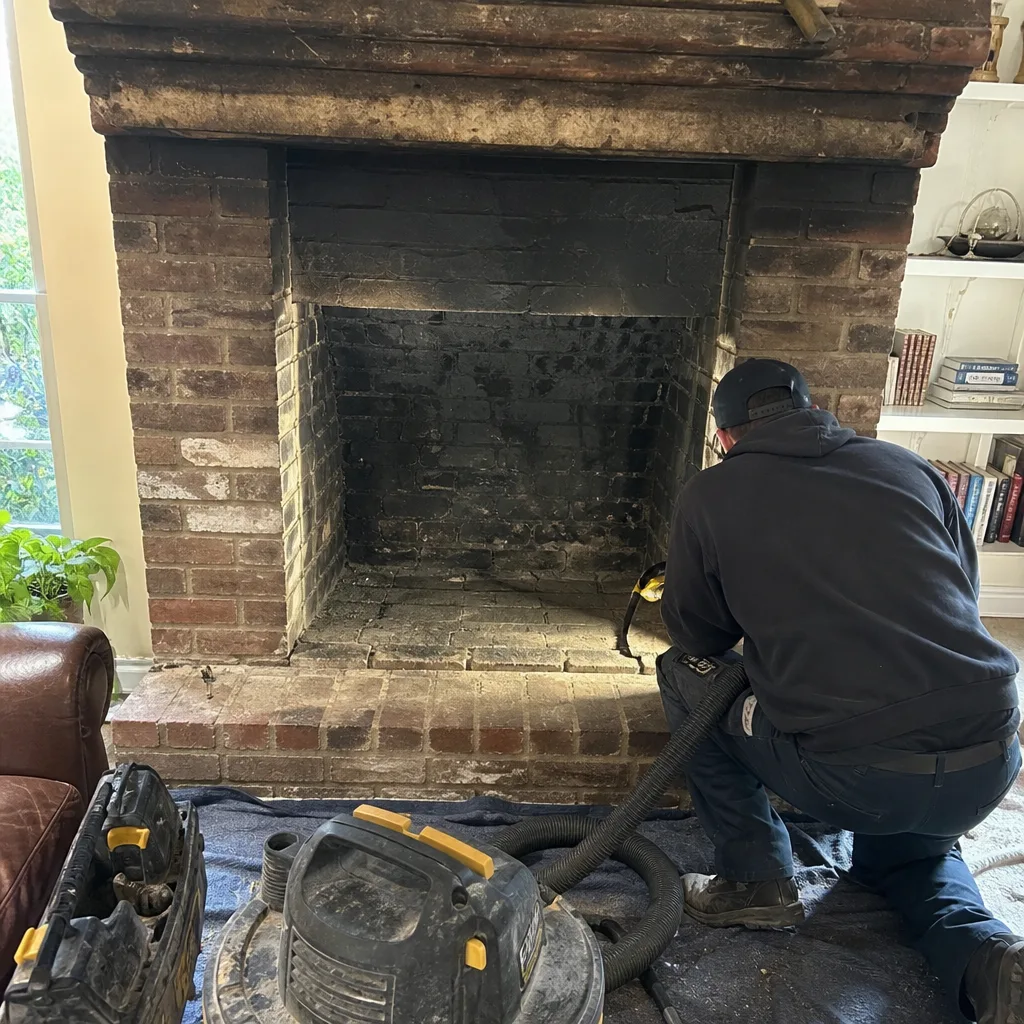
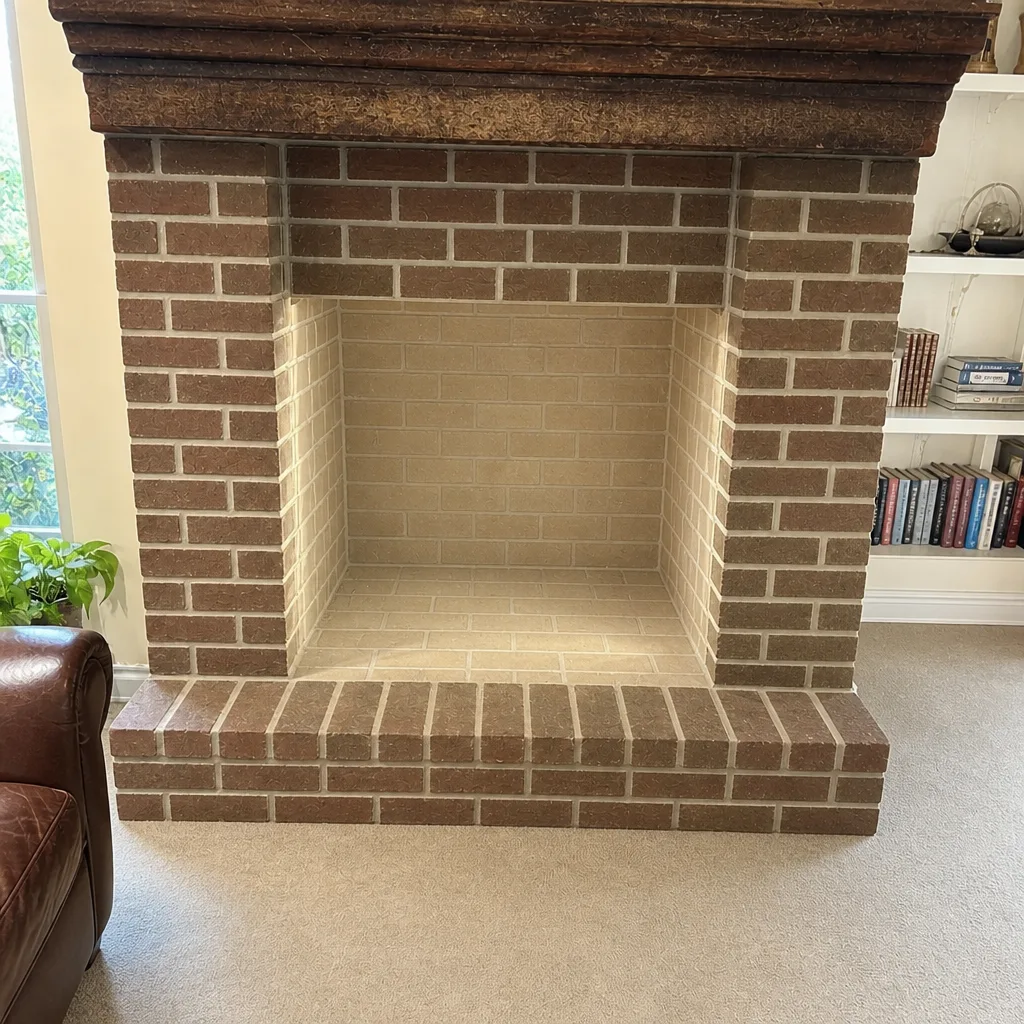
See the difference
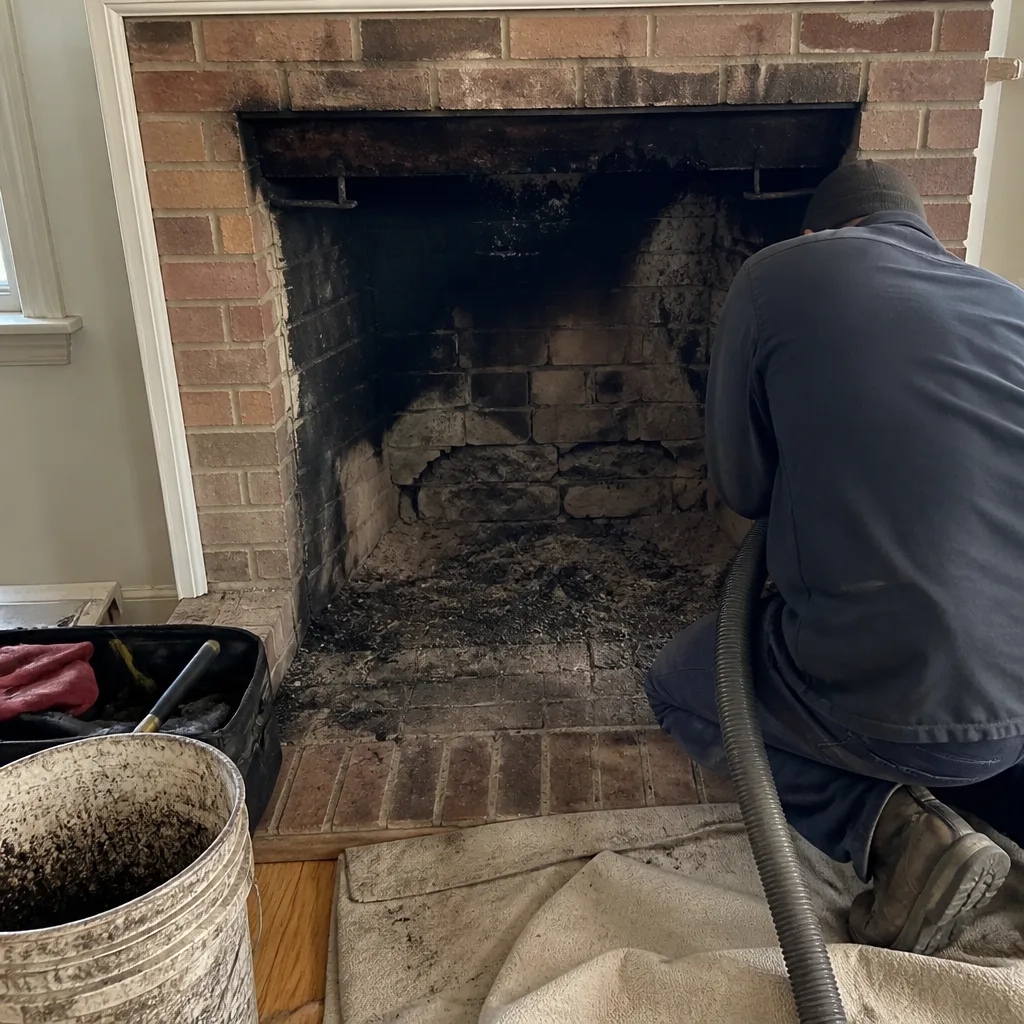 Before
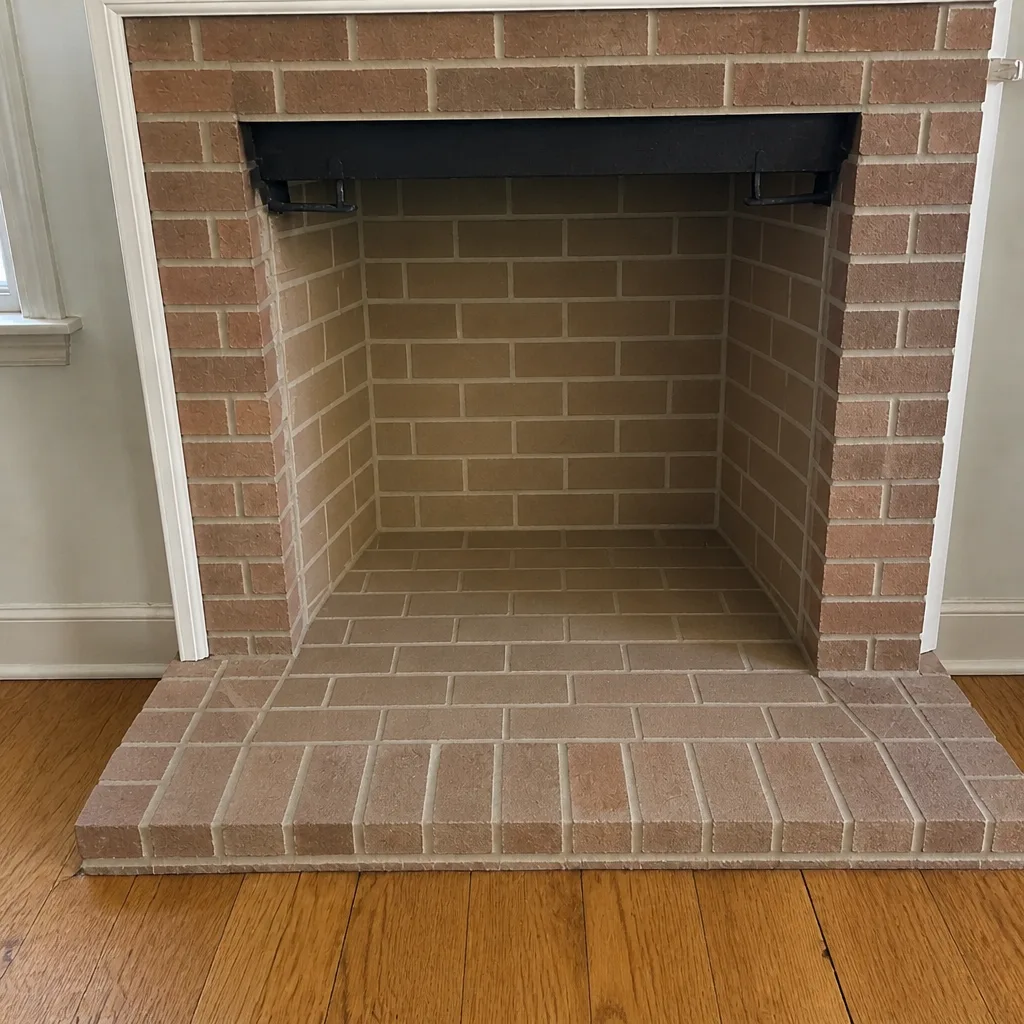 After
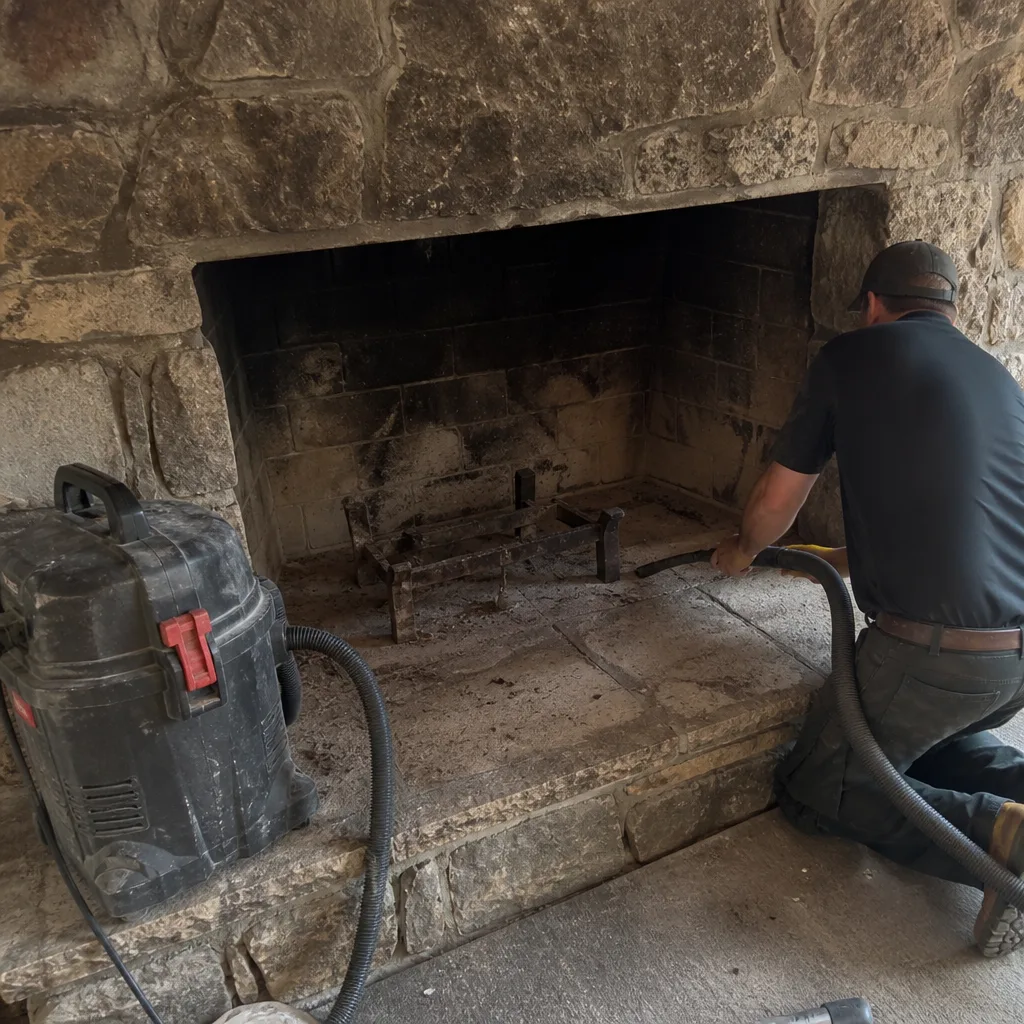 Before
 After
 Before
 After
When to Call a Professional
Call when you’re about to buy or sell a home with an active fireplace, because the inspection contingency is where unpermitted work comes out. Call when you’ve had a chimney fire, even a small one, because NFPA 211 expects a Level 2 inspection afterward. Call when a contractor has recommended a repair and you want a second opinion before approving the work. Call when the crown is visibly cracked, when the firebox shows damaged brick or loose mortar, or when the damper won’t seal. And call if you simply don’t know when the chimney was last inspected, because that’s answer enough.
Chimney Sweep Morningside offers free estimates in Morningside. Call (877) 820-8736. We answer 24/7. Fast dispatch from 7am to 7pm, Sunday through Friday.
Frequently Asked Questions
No. A standard chimney sweep does not require a permit in Morningside. The permit issue begins when the work shifts from cleaning to repair, and specifically when the repair alters the flue system or the chimney structure. If the technician finds damage during the sweep and recommends a re-line, a crown replacement, or a rebuild above the roofline, ask about the permit before approving the work. Call (877) 820-8736 for an exact quote on the sweep or the inspection; estimates are free.
Relining, crown replacement, full chimney rebuilds above the roofline, firebox rebuilds that change the firebox dimensions, and new appliance installations generally require a permit. Sweeping, cap installation without structural change, minor repointing, and damper replacement that doesn’t alter the flue typically do not. The determining factor is whether the work alters the venting system or the chimney structure. Call (877) 820-8736 and we’ll tell you plainly which category your repair falls into; estimates are free.
Yes, in most cases. A liner replacement alters the venting system, which puts it in the same category as other residential construction work under the Georgia Residential Code. Which authority processes the permit depends on the parcel, which in Morningside can mean the City of Atlanta or DeKalb County. A contractor who handles liner work should be able to confirm the correct authority before filing. Call (877) 820-8736 to schedule an inspection and find out what your chimney actually needs; estimates are free.
A Level 2 inspection is the standard under NFPA 211 after a change to the chimney system, including a new liner, a replaced crown, or a change in the appliance being vented. The code official’s final inspection confirms the permitted work was done to code, but it isn’t the same as a Level 2, which evaluates the whole system including the parts that weren’t touched. Both records should be kept. Call (877) 820-8736 to book a Level 2 inspection; estimates are free.
Unpermitted work can complicate a claim because the insurer has no independent record of what was done, when, or to what standard. If a chimney fire happens and the cause traces back to work that was never permitted or inspected, the claim can be disputed, and policies vary on how that plays out. Permitted, inspected work with a Level 2 inspection on file tells the whole story. The paperwork protects you when you need it. Call (877) 820-8736 to discuss documentation for your chimney; estimates are free.
Ask for sweep records with dates and findings, inspection reports with photos or video, repair invoices that name the components and materials used, and the manufacturer documentation for any parts installed. Also keep the contractor’s name and contact information. Even when a repair doesn’t require a permit, this paperwork is what a buyer’s inspector will ask for at resale, and it’s what an insurer will look at during a claim. Call (877) 820-8736 to schedule an inspection; estimates are free.
The Bottom Line
Cleaning a chimney in Morningside doesn’t require a permit. Repairing one often does, and the line between the two is where most paperwork problems begin. Relining, crown replacement, and rebuilds above the roofline go through the City of Atlanta or DeKalb County depending on the parcel. After the work, NFPA 211 expects a Level 2 inspection, and that inspection is what protects you at resale and at claim time. Document everything, even when no permit is involved. Keep the records. And if you’re unsure whether a repair crosses the line, ask before the work starts, not after.
Written by the team at Chimney Sweep Morningside.