
Last updated November 25, 2026
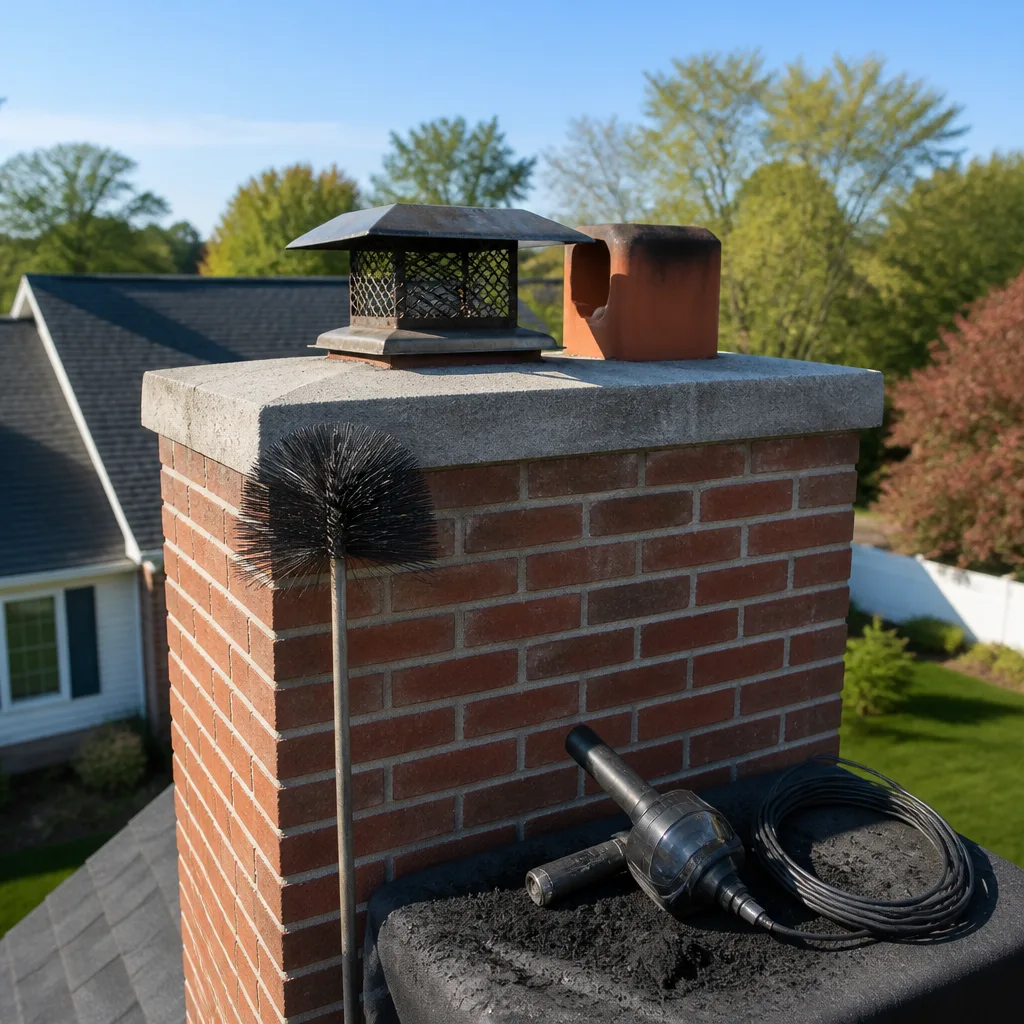 Sweep & inspection
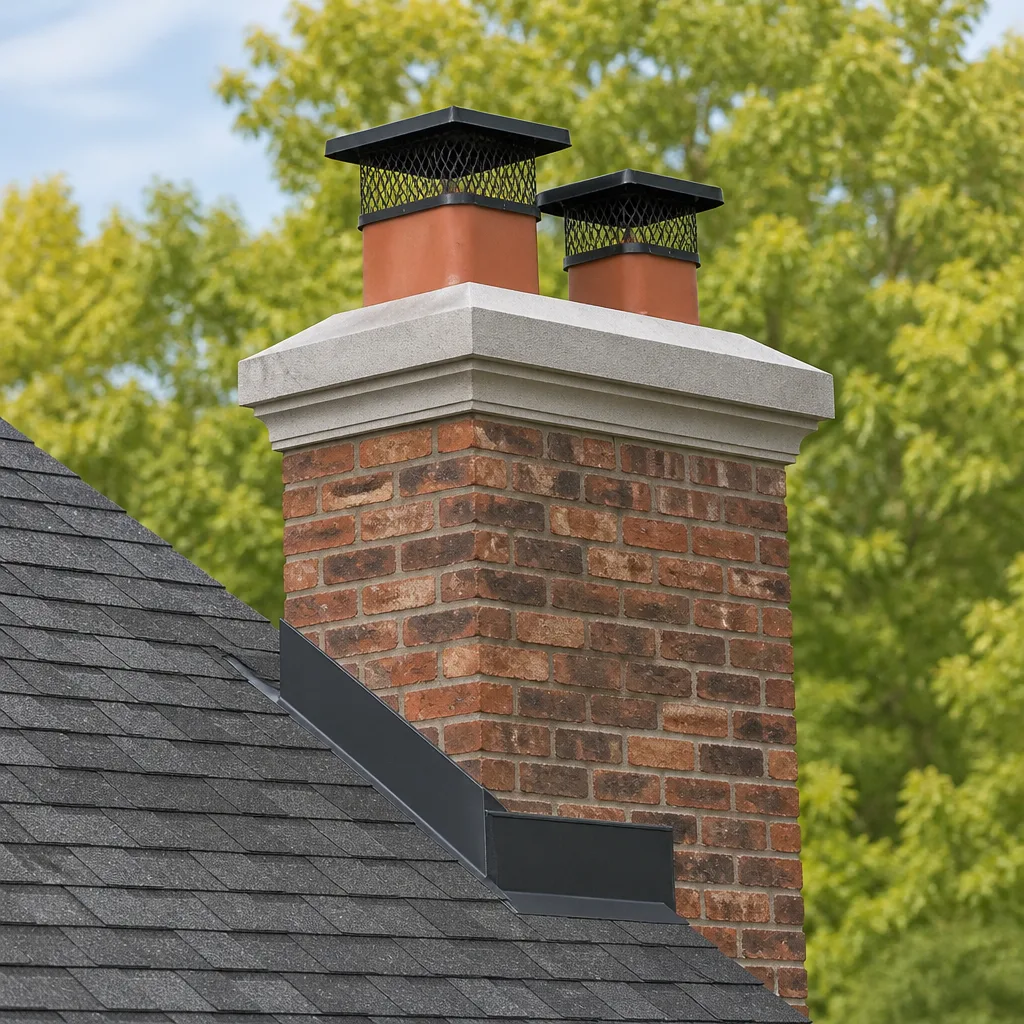 Caps & crowns
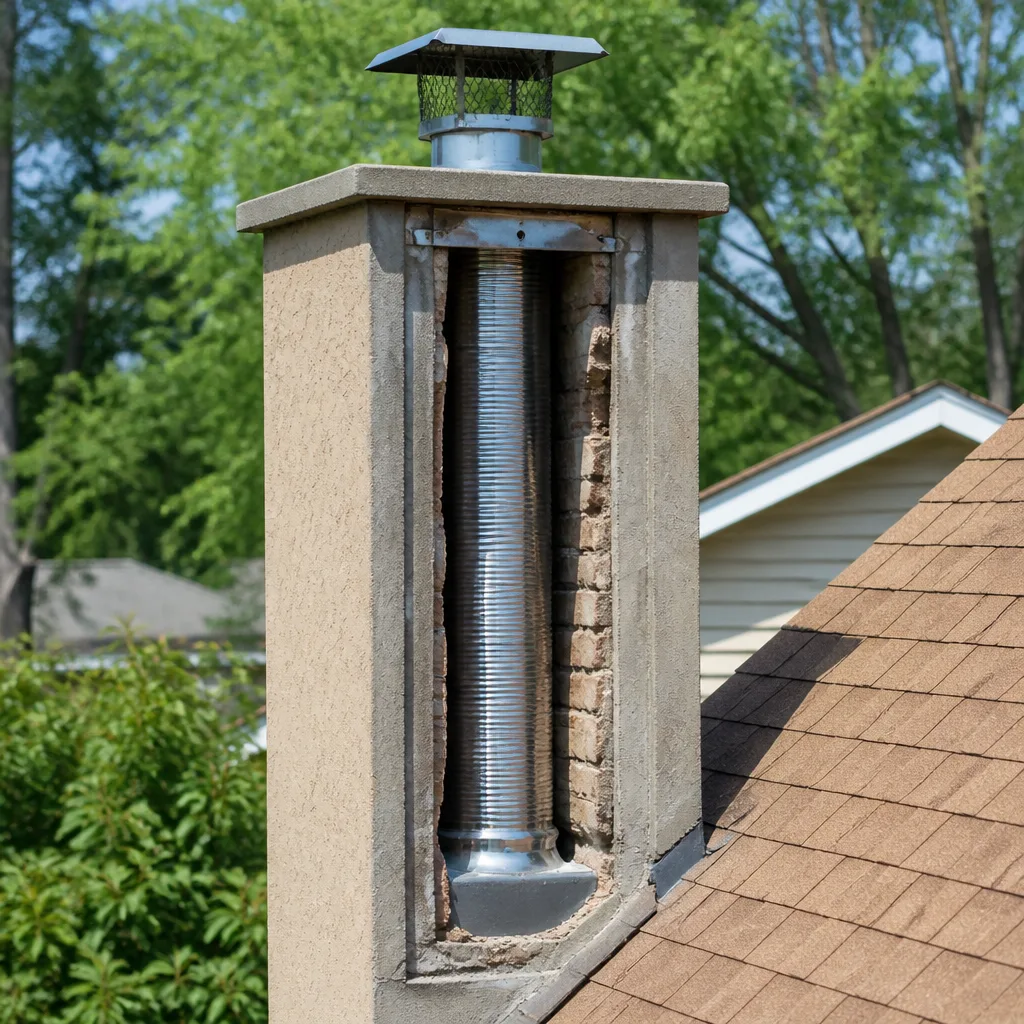 Flue relining
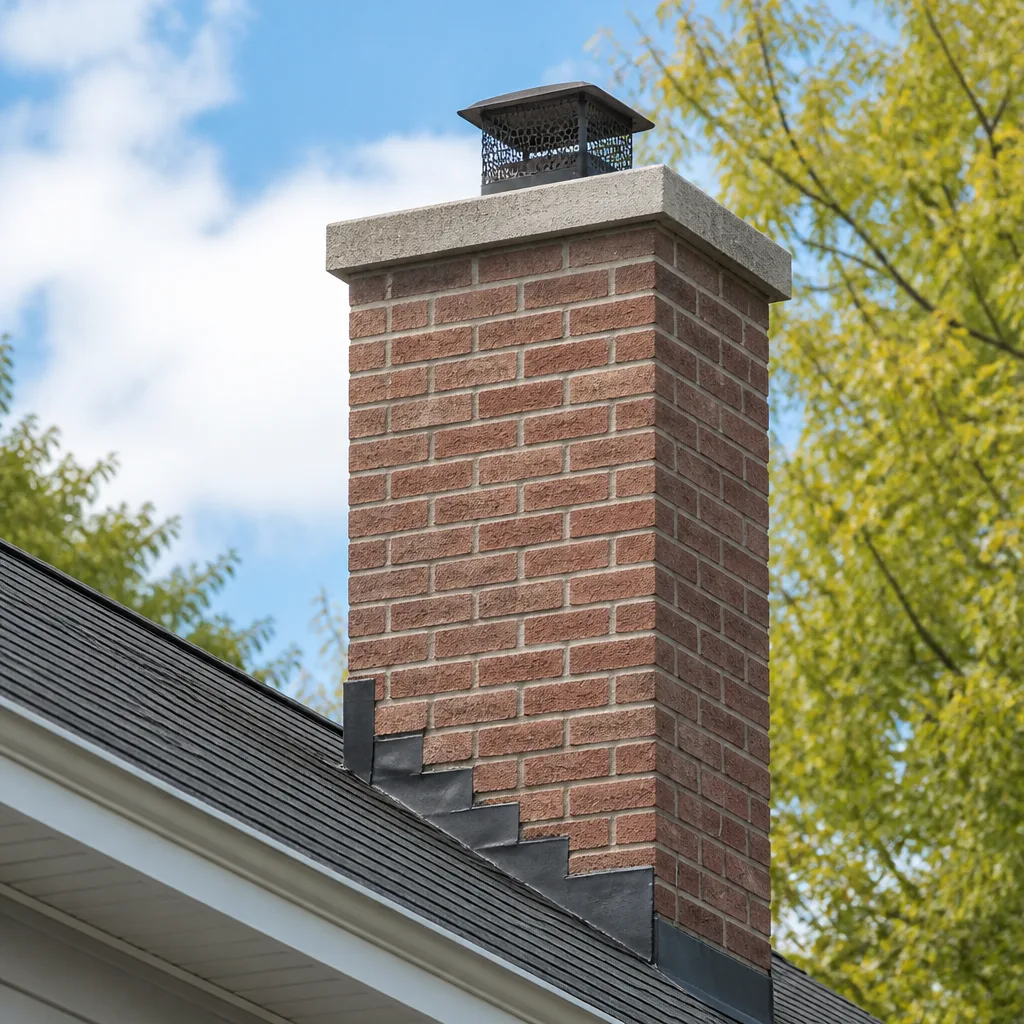 Masonry repair
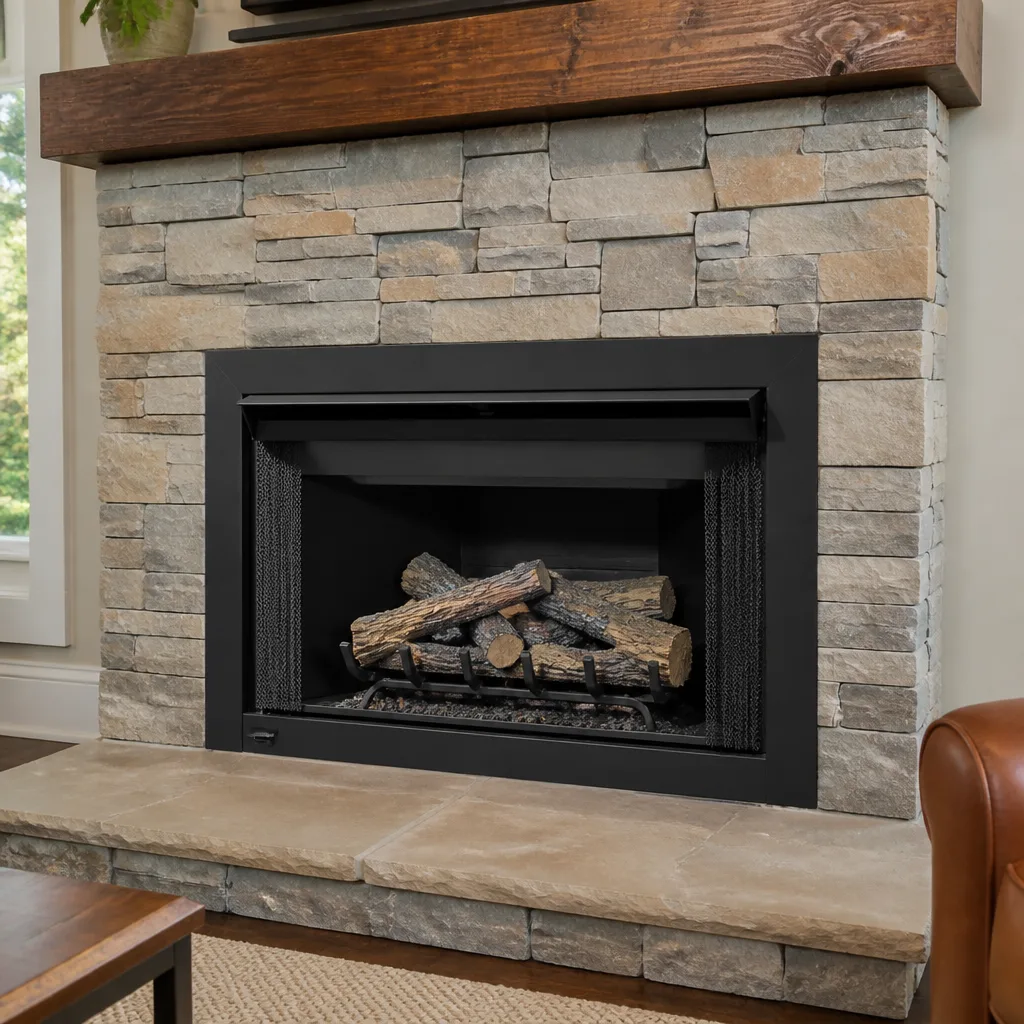 Gas fireplace service
Level 1 sweep and inspection to the NFPA 211 annual standard - flue, crown, cap, and flashing checked and photographed
Chimney sweep logs do not sweep chimneys. They loosen some creosote - which then falls where a brush and vacuum still have to collect it.
The Complete Guide to Chimney Cleaning in Morningside
Most chimney fires don’t start with neglect. They start with the assumption that last year’s cleaning is still doing its job this year. A flue that was clean in January can carry a fresh layer of creosote by the following winter, and in Morningside’s older housing stock that layer builds differently than it does in colder parts of the country. This guide explains what chimney cleaning actually involves in Morningside, how Georgia’s humid summers and short, heavy winter burn cycle affect what accumulates inside your flue, what a real inspection uncovers, and how to read a technician’s findings so you know exactly what you’re agreeing to fix.
Quick Answer
Chimney cleaning in Morningside is a billed service that removes creosote, soot, and blockages from the flue and firebox, and it doubles as the first diagnostic step in assessing your chimney’s structural condition. Most wood-burning chimneys here need sweeping once a year when used regularly, and the cleaning should come with a documented report on liner condition, creosote stage, and any draft problems. A cleaning that only confirms the job was done, without documenting what the technician found, tells you very little about the system you’re relying on.
Styles & brands we work with
- Sweep & inspection
- Caps & crowns
- Flue relining
- Masonry repair
- Gas fireplace service
Table of Contents
- Why Chimney Cleaning Works Differently in Morningside
- How Georgia’s Climate Stages Creosote
- What Actually Happens During a Cleaning
- Level 1 vs Level 2 Inspections: What Each Uncovers
- Clay Flue Tile Liners and Morningside’s Older Homes
- How to Read a Cleaning Report
- The Terminology You Need to Understand
- How Often to Schedule Cleaning in Morningside
Why Chimney Cleaning Works Differently in Morningside
Morningside sits in a climate that confuses chimneys. Summers run hot and humid for months, then the burn season arrives compressed into a shorter window of genuinely cold weather. Homeowners here tend to fire hard during that window rather than burn steadily through a long winter. That pattern produces creosote differently than a New England schedule does, and it’s why a Morningside cleaning isn’t the same job as a cleaning in a colder market.
Houses in neighborhoods like Morningside, Piedmont Heights, and the older streets off Lenox Road were largely built in the mid-twentieth century, when clay tile flue liners were standard. Those liners are durable, but they were never designed to last indefinitely under repeated heating and cooling cycles. A humid Georgia summer lets moisture work into hairline cracks in the tile and the mortar joints between them. Then the first cold snap and a hot fire expand everything again. Over years, that cycle widens what started as a crack you couldn’t see.
What this means practically: cleaning in Morningside is never just about removing soot. It’s the moment when the condition of the liner becomes visible. A sweep performed with proper brushes and a camera catches liner deterioration that a surface-level cleaning misses entirely. That’s the difference between a service that maintains your chimney and one that actually tells you what shape it’s in.
We treat every cleaning in Morningside as a diagnostic opportunity, not a checklist item. Where a maintenance-only crew confirms the flue is clear and leaves, we document what we see before recommending anything. That documentation is what lets you make a decision based on evidence rather than a sales pitch.
How Georgia’s Climate Stages Creosote
Creosote forms in stages, and the stage matters more than the amount. A flue coated in light, flaky soot is a routine cleaning. A flue with glazed, hardened creosote is a different problem entirely, and the difference comes down to how the fire burned, not just how much wood went through the fireplace.
In Morningside, the staging tends to run like this:
- Stage 1: Light, flaky soot that brushes away easily. Common after a season of well-seasoned wood and hot fires. Routine cleaning handles it.
- Stage 2: Denser, crustier deposits that cling to the flue walls. Requires more aggressive brushing and often a chemical treatment to break down before it can be removed.
- Stage 3: Glazed, hardened creosote that looks almost like tar. This is the dangerous stage, and it’s the one that fuels chimney fires. It doesn’t brush off; it has to be removed with specialized tools or addressed through liner restoration.
The reason Morningside sees more Stage 2 and Stage 3 than you might expect is the shoulder season. Georgia’s fall and early spring bring cool evenings that call for a fire, followed by warm days that shut the chimney down. Those repeated partial burns, with damp wood and a cold flue, produce more creosote than a steady cold-weather burn would. Add a humid summer that leaves firewood less than fully seasoned, and the stage climbs faster than most homeowners assume.
The practical takeaway: the assumption that a cleaning every other year is sufficient doesn’t hold well in this climate. A chimney that burned hard through one Morningside winter can accumulate enough Stage 2 creosote to warrant a fresh cleaning the following season, even if the fire count was modest.
What Actually Happens During a Cleaning
A professional chimney cleaning in Morningside follows a predictable sequence, and knowing it helps you judge whether the work is being done properly. Here’s how a typical cleaning runs:
- Setup and protection. Drop cloths go down around the hearth, and a HEPA vacuum runs throughout to keep soot out of your living space. A sealed opening prevents dust from escaping into the room.
- Firebox and damper check. Before sweeping, the technician inspects the firebox, damper, and smoke shelf for blockages, debris, or animal nests. A damper that doesn’t open fully is a draft problem in itself.
- Flue sweep. Brushes sized to the flue’s dimensions run from the top down or bottom up, depending on the chimney’s configuration. This is where the creosote stage becomes obvious and gets noted.
- Camera inspection. A flue camera reveals the condition of the liner from the inside. This is where spalling tile, cracked joints, and draft issues surface, and it’s the part a cleaning-only service often skips.
- Documentation. Photos and notes on what the camera found, what the creosote stage was, and any recommended repairs.
When you book a chimney sweep, this is the sequence you should expect, not just a brush and a goodbye. The camera step is what separates a documented cleaning from a maintenance visit. Our technicians have up to 13 years of experience, and the skill is in knowing what the camera is showing and explaining it plainly.
One thing worth planning for: if the cleaning reveals a repair need, the technician shouldn’t be pushing a decision on the spot. We show what we found and give you the photo evidence to look at yourself before you agree to anything.
Level 1 vs Level 2 Inspections: What Each Uncovers
Inspection levels come from NFPA 211, but the standard doesn’t tell you much about what they mean in a Morningside home. Here’s the practical difference.
Level 1 covers the readily accessible parts of the chimney: the firebox, damper, flue from the top and bottom, and the visible portions of the exterior. It’s appropriate when nothing has changed since the last inspection and the fireplace has been used normally. It answers one question: is this chimney safe to keep using as it is?
Level 2 adds a full video camera scan of the entire flue, including sections you can’t see from either end. It’s appropriate when there’s been a change in the system: a new appliance, a chimney fire, a change in fuel type, a liner concern, or a home purchase. In Morningside’s older housing stock, a Level 2 inspection is often the one that actually finds the problem.
What a Level 2 uncovers in common Morningside chimney types:
- Mid-century clay tile liners: Hairline cracks in tile, deteriorated mortar joints, and offset tiles that block proper draft.
- Masonry chimneys with exterior exposure: Cracked crowns, failing flashing, and water intrusion at the chimney top.
- Chimneys converted to gas or insert use: Misaligned liners sized for the original wood-burning use, which no longer vent the current appliance correctly.
A cleaning and a Level 2 inspection are related but distinct. Cleaning removes what’s in the flue; the inspection tells you what the flue itself is doing. Doing one without the other leaves you with half the picture. Chimney Sweep Morningside treats the inspection as a standalone, billed service precisely because it informs repair decisions, not because it’s a way to sell work.
Clay Flue Tile Liners and Morningside’s Older Homes
The clay tile liner is the unsung component of an older Morningside chimney. When it’s intact, it’s an effective barrier between the flue gases and the masonry around it. When it deteriorates, it stops doing that job, and the failure isn’t always obvious from the outside.
Two things accelerate clay tile wear in this climate. First, the humidity. Moisture that migrates into cracks and mortar joints expands and contracts with each heating cycle, widening the cracks over time. Second, the fire behavior. Hot fires in a cold flue create sharp temperature swings that stress the tile. In Morningside, where the burn season is compressed and fires are often intense, that stress is concentrated.
What cleaning reveals about liner integrity is often the point of the whole service. A flue camera scan during cleaning can show:
- Cracked or broken tiles that need restoration or replacement
- Missing mortar between tiles (spalling joints)
- Gaps where the liner has separated from the surrounding masonry
- Improved draft problems that trace back to a misaligned or collapsed section
When the liner is deteriorating but not fully failed, HeatShield liner restoration is often the right answer. It resurfaced the existing flue with a ceramic-based material rather than requiring a full liner replacement, which preserves the structure and the budget without compromising safety. Most sweep-only companies can’t offer that option because they don’t carry the materials. We do. When a full reline is genuinely needed, DuraFlex flexible liner systems are the material standard we install.
Not every deteriorating liner needs immediate attention. Part of reading a cleaning report is knowing when a repair is urgent and when it can safely wait until the next season. We’ll tell you which is which, in plain terms.
How to Read a Cleaning Report
A cleaning report that says only that the chimney was swept tells you almost nothing. The report worth paying for documents condition, and it should include a few specific things you can check.
What a documented cleaning report should show:
- Creosote stage: Not just “some buildup,” but the stage (1, 2, or 3) and where in the flue it was heaviest.
- Liner condition: Photo evidence of the flue interior, with any cracks, spalling, or gaps identified by location.
- Draft assessment: Whether the chimney is drafting properly and any factors that affect it.
- Exterior condition: The cap, crown, and flashing, with photos if any issue was found.
- Recommendations with priority: What needs attention now, what can wait, and what to watch.
The difference between a documented report and a confirmation slip is the difference between knowing your chimney’s condition and assuming it. We photograph what we find so you can see it yourself before agreeing to any repair. That’s a deliberate choice: the hardest part of being a homeowner in this situation is being told you need thousands of dollars of liner or masonry work you have no way to verify. The camera evidence removes that problem.
Read the report against the technician’s explanation. If something in the report is unclear, ask. A technician who can’t explain a finding in plain English, pointing to the photo, is a reason to get a second opinion.
The Terminology You Need to Understand
The gap between a technician’s findings and a homeowner’s understanding is usually a vocabulary gap. These are the terms that come up most in Morningside cleaning reports, and what each actually means.
- Creosote: The residue of incomplete wood combustion that coats the flue. It comes in three stages, and stage 3 is the fire hazard.
- Spalling: Flaking or crumbling of the liner or masonry surface. In clay tile, spalling usually signals moisture damage and a liner that’s losing integrity.
- Draft: The upward flow of smoke and gases out of the chimney. Poor draft means smoke lingers in the firebox and creosote deposits faster.
- Smoke shelf and smoke chamber: The transition area between the firebox and the flue. Rough or deteriorated surfaces here cause turbulence and draft problems.
- Cap and crown: The top of the chimney. The crown is the concrete or masonry top surface that sheds water; the cap is the cover that keeps rain and animals out.
- Flue liner: The inner conduit that carries combustion gases. In older Morningside homes, this is usually clay tile; in relined chimneys, it’s a flexible system like DuraFlex.
When a technician tells you there’s spalling at the flue collar or that draft is compromised by a misaligned tile, you now know what’s being described. That’s the point: the terms aren’t there to sound technical, they’re there to let you evaluate the recommendation on its merits.
The cap and crown are worth a specific mention because they’re often the first thing to fail and the cheapest to fix. We install caps and crowns using Gelco and Famco components, brands built to precise dimensional tolerances that reduce callbacks. If a chimney cap & crown issue shows up in your cleaning report, it’s usually a small repair that prevents a much larger one.
How Often to Schedule Cleaning in Morningside
Once a year is the working rule for a regularly used wood-burning fireplace, and in Morningside’s burn pattern that’s the right cadence more often than not. The compressed winter season means creosote builds quickly, and a single season can move a flue from Stage 1 to Stage 2 without any obvious sign.
Schedule cleaning in these situations:
- Once per burn season for a fireplace used regularly through the winter.
- Before the first fire of the season, especially if the chimney sat unused through the humid summer.
- After any chimney fire, even a small one, before using the fireplace again.
- When you notice smoke backing into the room, which signals draft trouble.
- Before buying or selling a Morningside home with a fireplace, where a Level 2 inspection documents the system’s condition.
- After a change in fuel or appliance, such as converting to gas or adding an insert.
For a gas fireplace, the cadence is different. Gas produces less creosote, but the flue still needs inspection for blockages, and a cleaning every couple of years is often reasonable. The cleaning report tells you which category you’re in. For a fireplace that needs more than a sweep, fireplace repair addresses the firebox, damper, and surround as part of the same relationship, so you’re not coordinating separate specialists.
Common Mistakes to Avoid
- Assuming last year’s cleaning still counts. A flue that was clean in January can carry a fresh creosote layer by the next winter, especially in Morningside’s compressed burn season.
- Burning unseasoned wood through a humid summer. Wood stored through a Georgia summer often doesn’t dry fully, and damp wood produces more creosote than dry wood does.
- Skipping the camera. A cleaning without a flue camera scan can’t tell you about liner condition, and liner deterioration is the most common hidden problem in older Morningside homes.
- Treating a cleaning report as a sales pitch. A documented report with photos is information; a verbal recommendation without evidence is a reason to ask questions.
- Ignoring the cap and crown. A cracked crown lets water into the chimney, and water is what accelerates clay tile deterioration through the humid months.
- Waiting for a problem to become obvious. Most chimney issues don’t announce themselves until they’re expensive. The camera scan during a routine cleaning is how you catch them early.
- Letting one contractor clean and another repair. A single company that cleans, inspects, and repairs keeps the record consistent and the accountability clear.
None of these are exotic mistakes. They’re the ordinary ones, and they’re the ones a documented cleaning is designed to catch. Chimney Sweep Morningside works with professional-grade brands including DuraFlex, HeatShield, Gelco, and Olympia Chimney, so when a repair is genuinely needed, the materials are on hand and the work stays under one roof.
See the difference
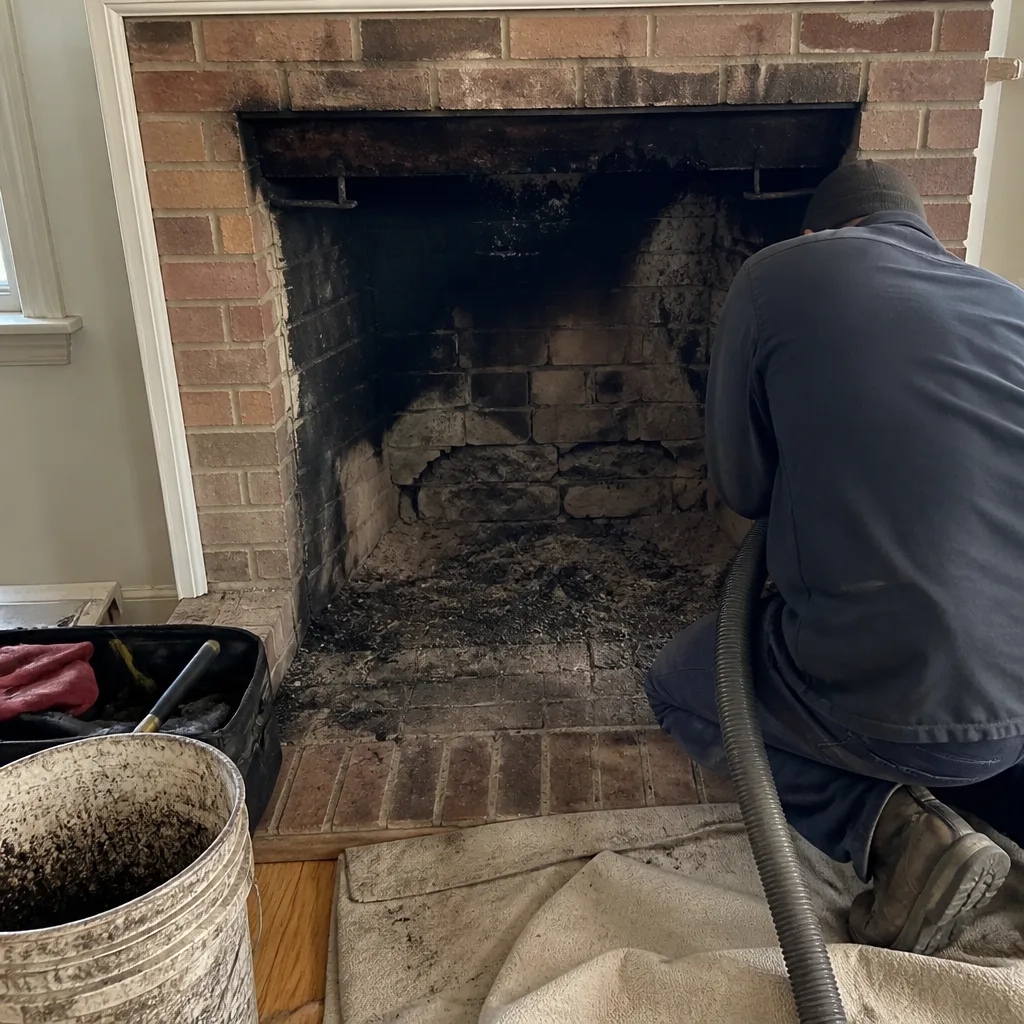 Before
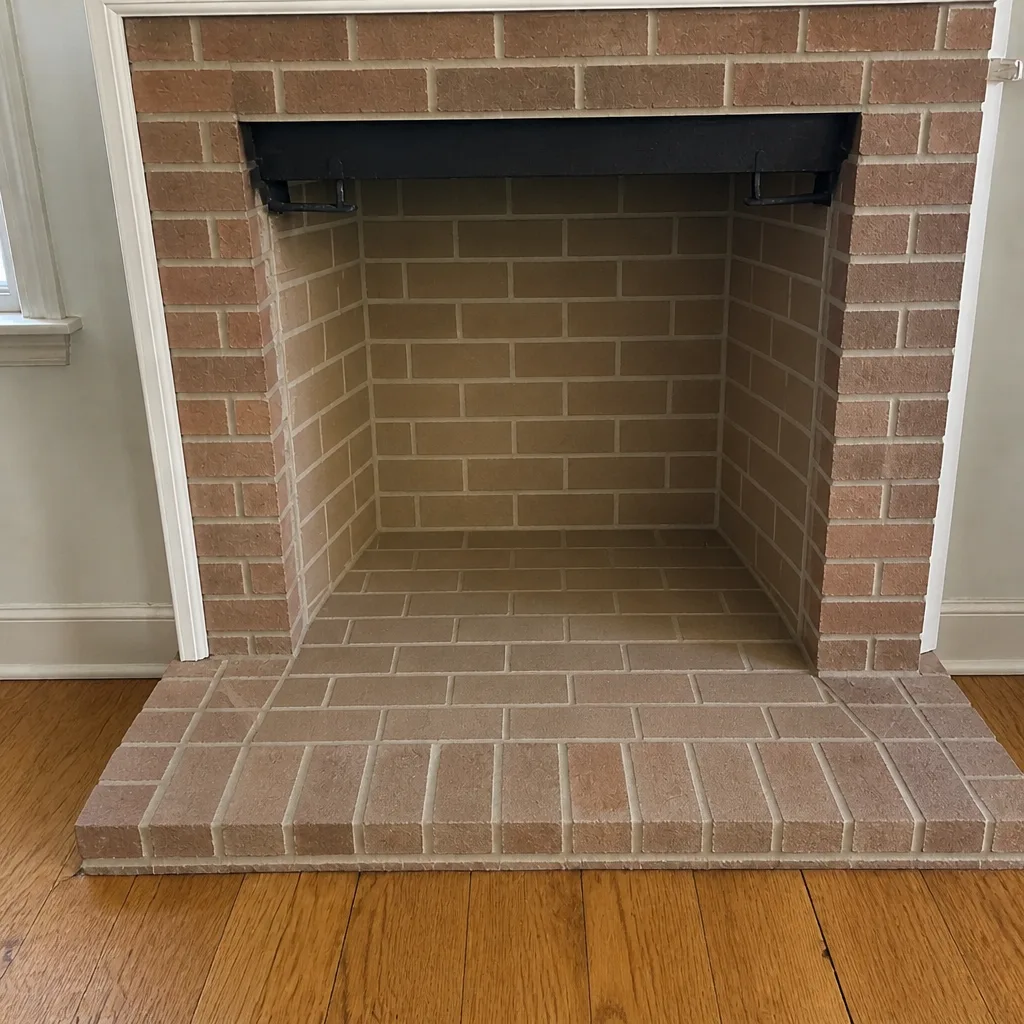 After
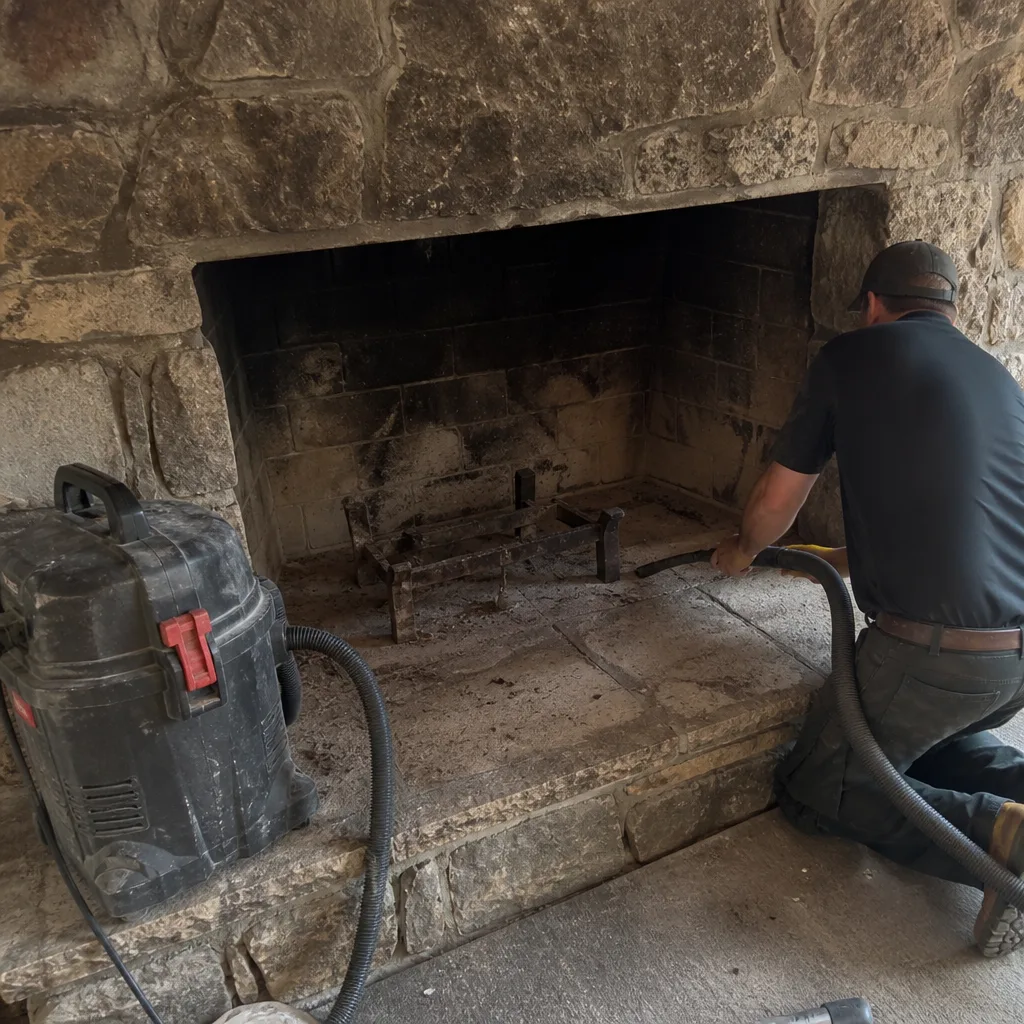 Before
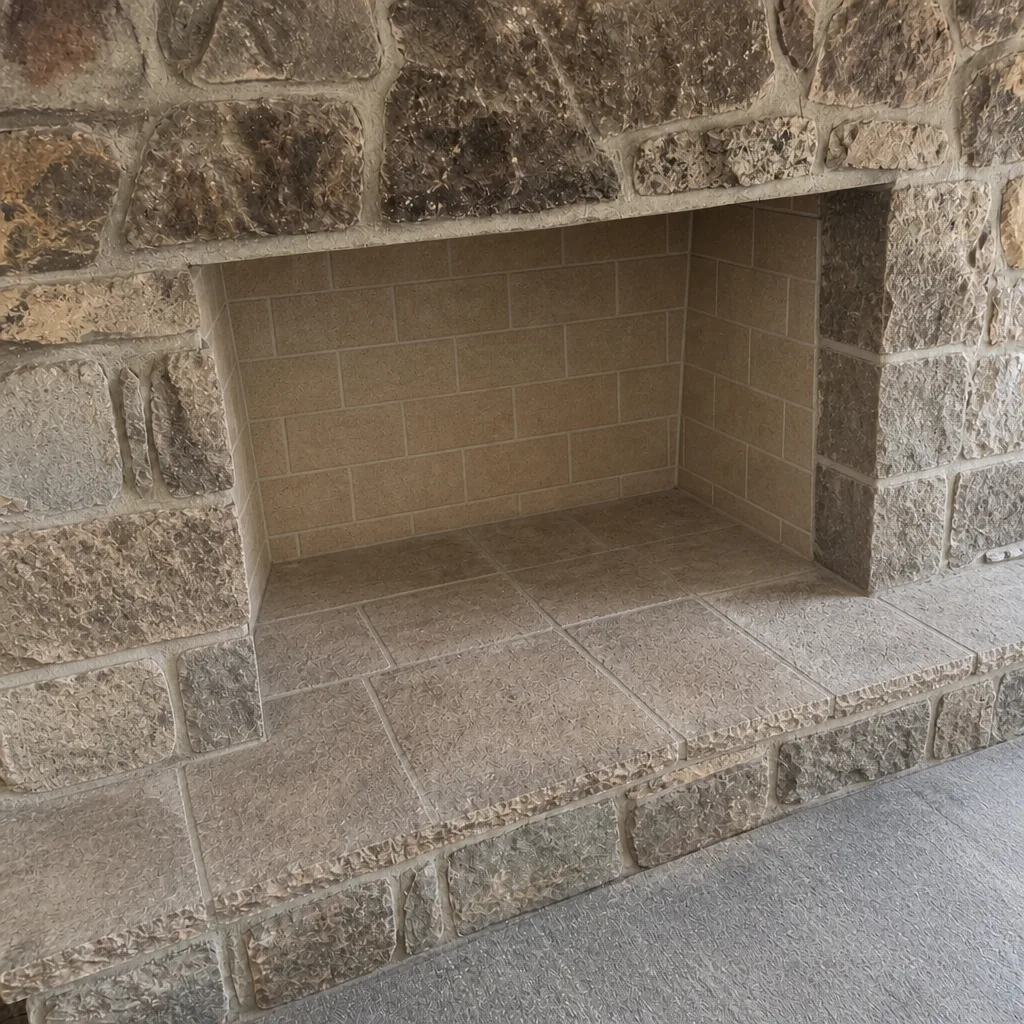 After
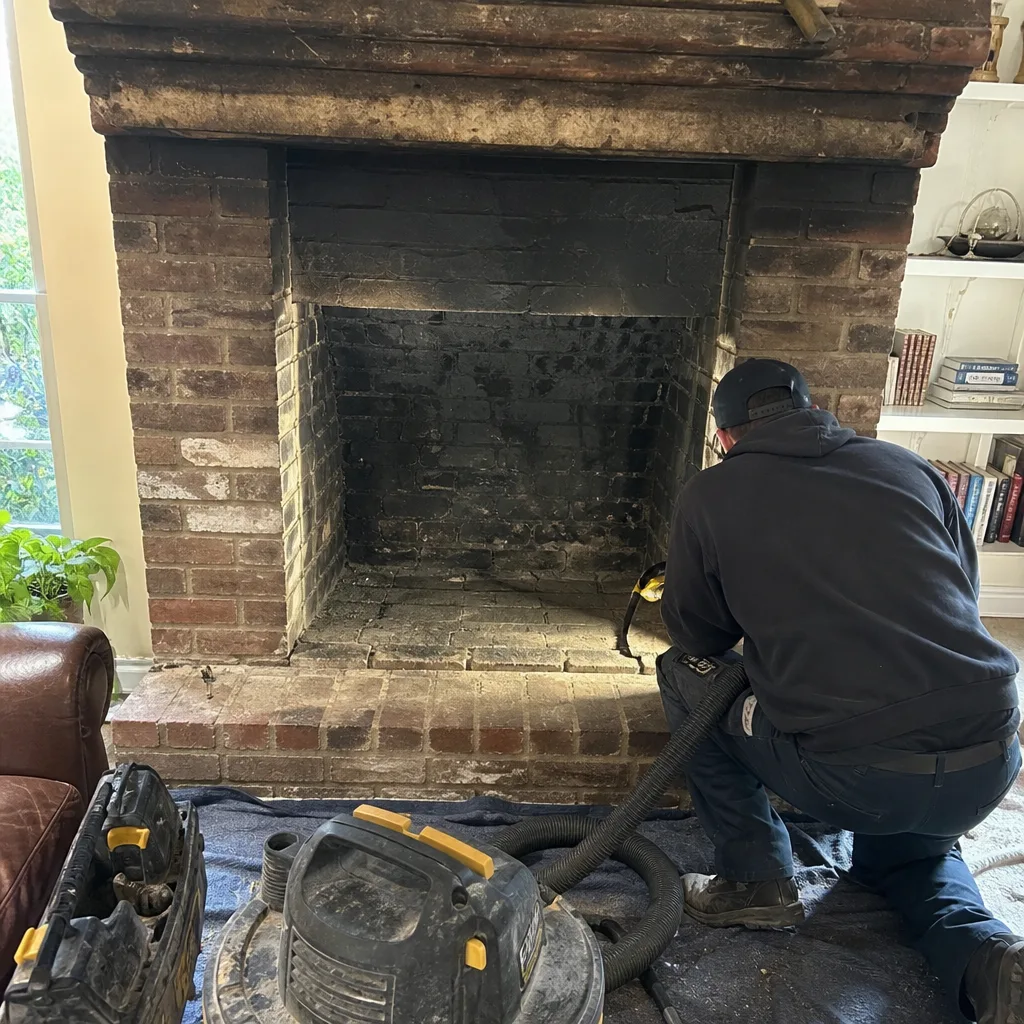 Before
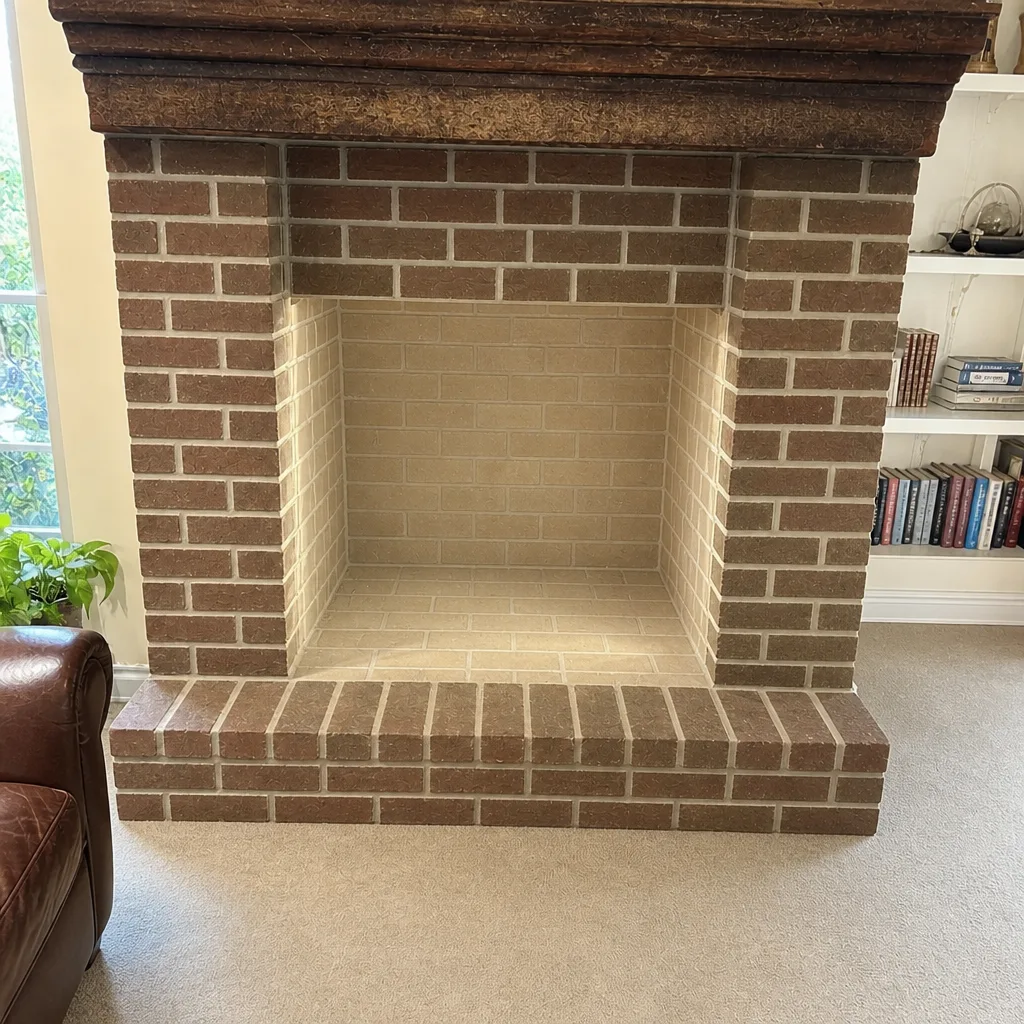 After
When to Call a Professional
Call a professional for any cleaning that requires a camera scan, any liner concern, any draft problem, and any chimney that has had a fire in it, however small. Call if you’ve never had the chimney inspected and don’t know its history. Call if smoke backs into the room, if you smell creosote in the house, or if the firebox or damper looks damaged. Call before the first fire of the season if the chimney sat unused through the summer. And call if a previous cleaning report left you with questions you couldn’t get answered. Chimney Sweep Morningside offers free estimates in Morningside. Call (877) 820-8736. We answer 24/7. Fast dispatch from 7am to 7pm, Sunday through Friday.
Frequently Asked Questions
A chimney cleaning in Morningside is priced per job by a written estimate, and the estimate is free. The price depends on the chimney’s configuration, how much creosote has built up, and whether a camera scan or inspection is included. Call (877) 820-8736 for an exact quote; estimates are free.
Only if the camera scan shows the existing liner has failed or is failing in a way that can’t be restored. In many Morningside homes with clay tile liners, HeatShield restoration can resurface a deteriorating flue without a full liner replacement, which preserves the structure and the budget. Nothing is recommended without camera evidence you can see yourself. Call (877) 820-8736 to book an inspection.
Once a year for a regularly used wood-burning fireplace, and before the first fire of the season if the chimney sat unused through the summer. Georgia’s humid months and compressed burn season can move a flue from light soot to Stage 2 creosote in a single season. Call (877) 820-8736 to schedule a sweep.
Creosote keeps building, and at Stage 3 it’s the fuel a chimney fire needs. The risk isn’t just the fire itself; a failed liner lets combustion gases into the structure around the flue. Skipping a cleaning also means skipping the camera scan that would catch liner deterioration early. Call (877) 820-8736 for an estimate.
No. Cleaning removes what’s in the flue; inspection documents the condition of the flue, liner, cap, and crown. In Morningside’s older housing stock, a Level 2 inspection with a camera scan is often what surfaces the real problem. Chimney Sweep Morningside treats inspection as a standalone, billed service. Call (877) 820-8736.
Sometimes, and sometimes it takes two visits when a repair requires materials ordered to fit. Cleaning, inspection, cap and crown work, fireplace repair, and chimney repair all fall under one company, so there’s no handoff to a second contractor. Call (877) 820-8736 for a free estimate.
The Bottom Line
Chimney cleaning in Morningside is less about the sweep and more about what the sweep reveals. The humid summers and compressed winter burn season here stage creosote differently than colder climates, and the mid-century clay tile liners common in Morningside’s neighborhoods deteriorate in ways only a camera scan catches. A cleaning report that documents creosote stage, liner condition, draft, and exterior condition is worth far more than one that confirms the job was done. Read the report, ask about the terminology, and get the photo evidence in hand before agreeing to any repair. The right company cleans, inspects, and repairs the whole system, from the crown to the firebox, without a handoff. Call Chimney Sweep Morningside at (877) 820-8736 for a free estimate. We answer 24/7. Fast dispatch from 7am to 7pm, Sunday through Friday.
Written by the team at Chimney Sweep Morningside.