
Last updated November 25, 2026
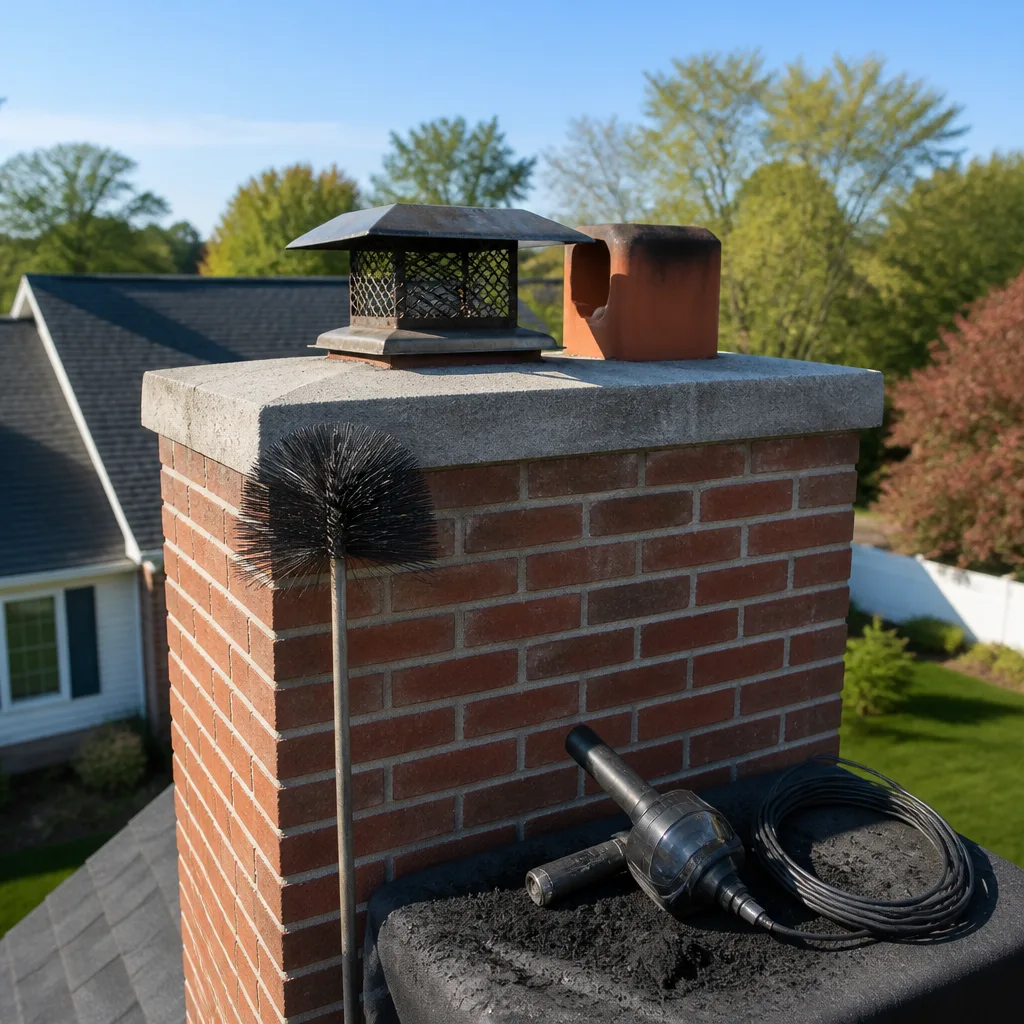 Sweep & inspection
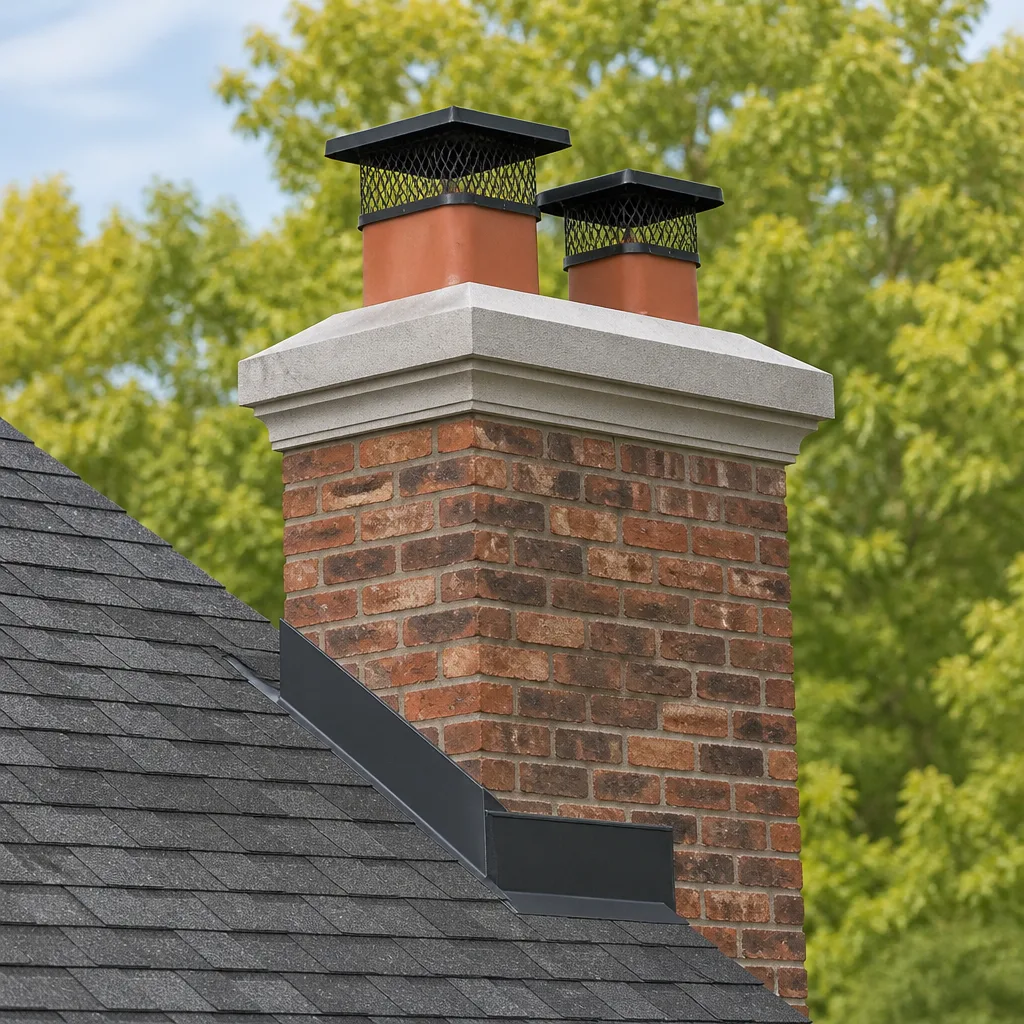 Caps & crowns
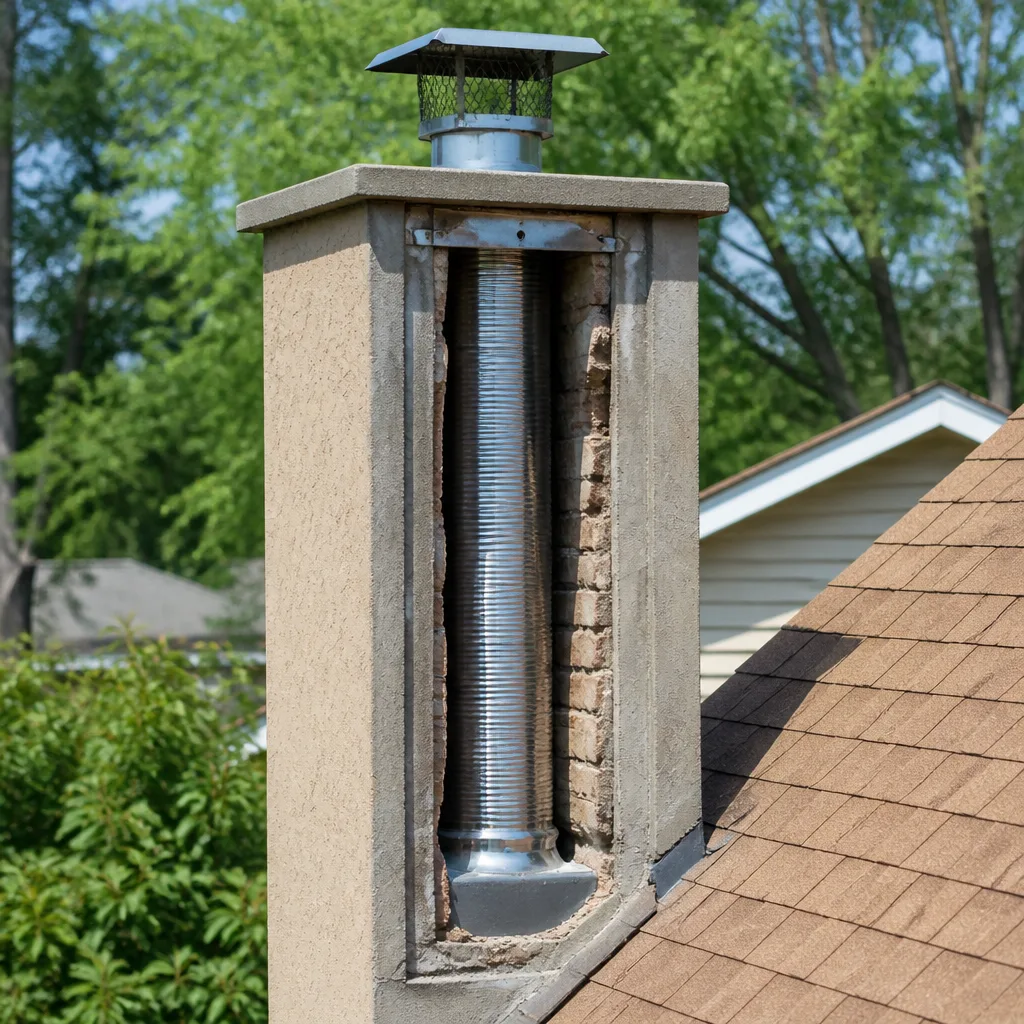 Flue relining
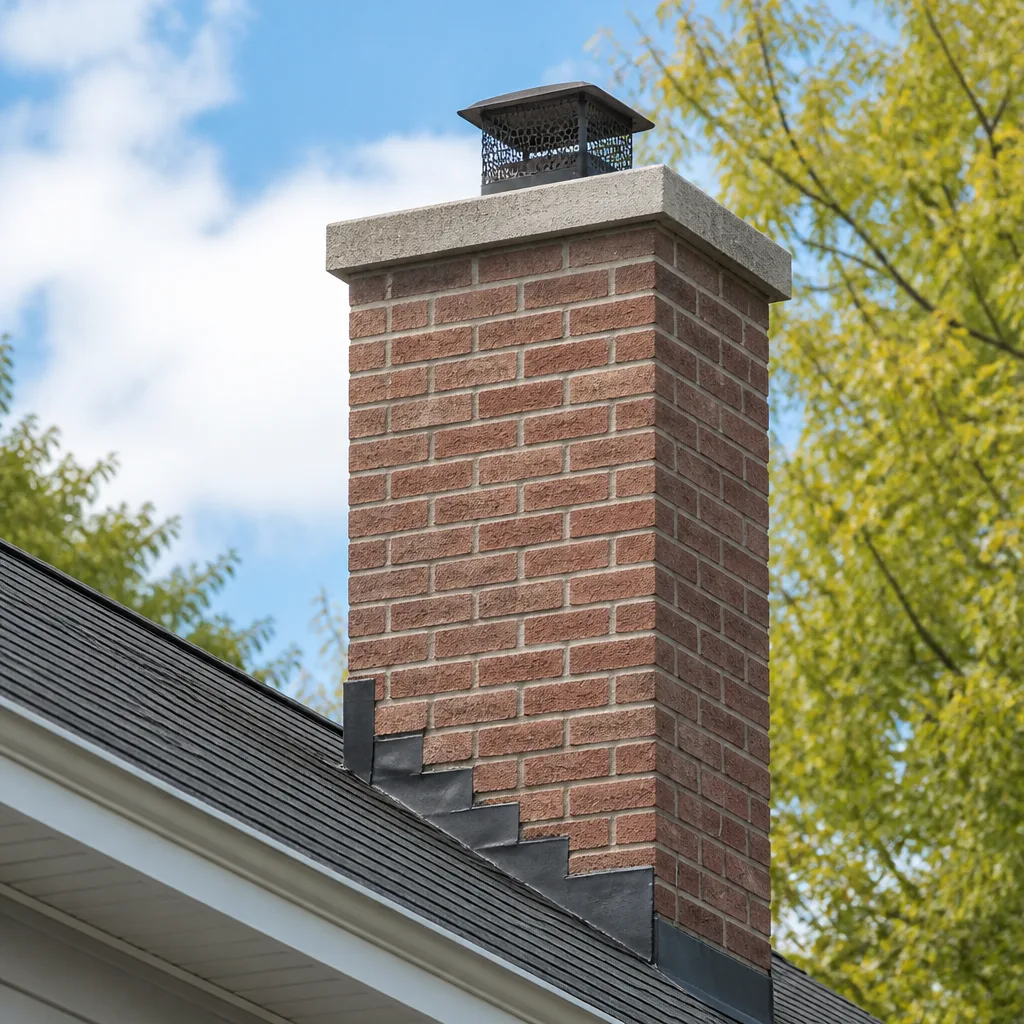 Masonry repair
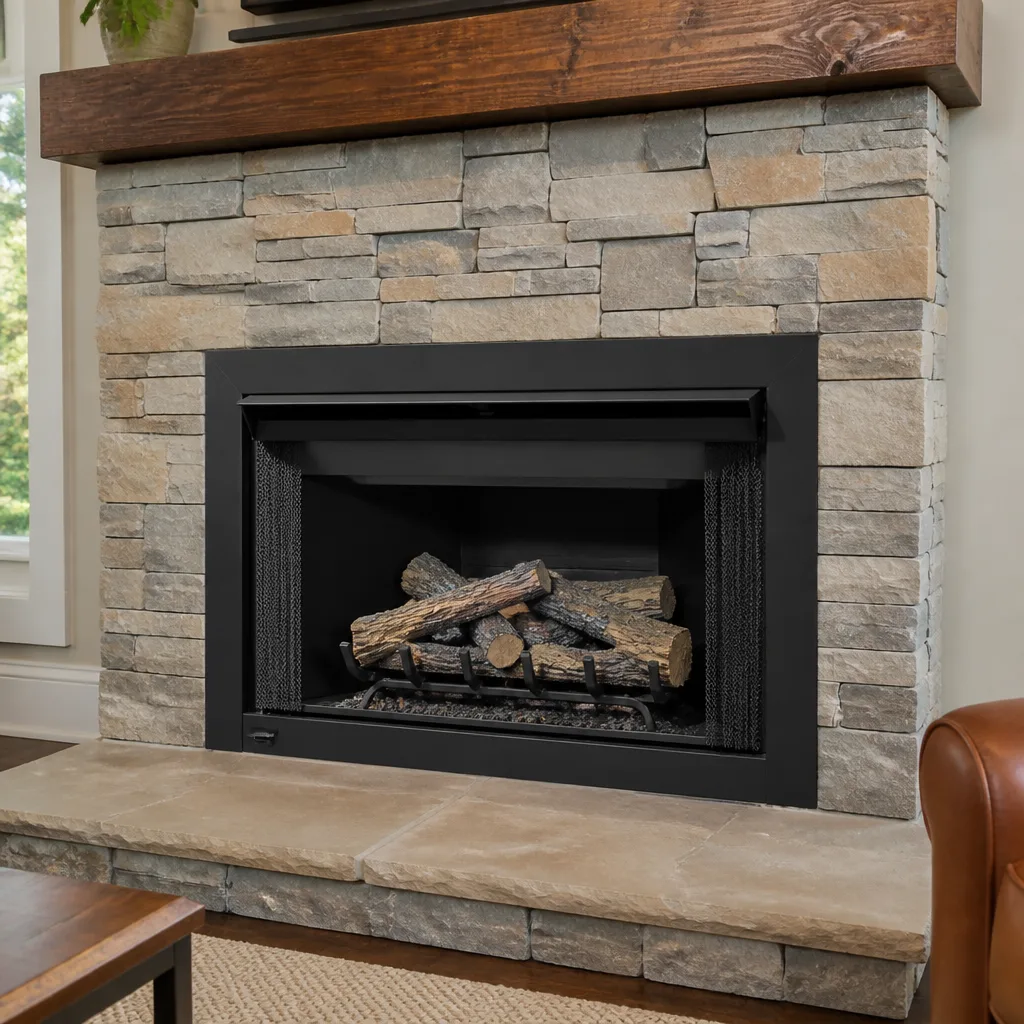 Gas fireplace service
Level 1 sweep and inspection to the NFPA 211 annual standard - flue, crown, cap, and flashing checked and photographed
Chimney sweep logs do not sweep chimneys. They loosen some creosote - which then falls where a brush and vacuum still have to collect it.
Chimney Cleaning Emergency Preparedness Guide for Morningside Homes
Most Morningside homeowners picture a chimney emergency as a sudden, random event. In our experience, that’s the wrong mental model. Chimney fires and carbon monoxide events follow predictable failure patterns: a flue coated with glaze, a cracked crown letting water in, a liner that’s been quietly deteriorating for seasons. The emergency is rarely the surprise; the surprise is how many people misread the warning signs. This guide walks through what a chimney fire actually sounds and looks like, what to do in the first ten minutes, how to spot a carbon monoxide backdraft event, and what Morningside homes need before a fireplace can safely be used again.
Quick Answer
A chimney fire in Morningside is a structural emergency with a predictable response: get everyone out, call 911, and do not spray water into a hot flue. A carbon monoxide event from a blocked or backdrafting chimney is trickier because the gas has no reliable smell – treat headaches, nausea and drowsiness near a burning fireplace as a CO signal and evacuate immediately. After either event, no fireplace should be relit until a professional inspection clears the flue and confirms the fire didn’t spread into the surrounding structure.
Styles & brands we work with
- Sweep & inspection
- Caps & crowns
- Flue relining
- Masonry repair
- Gas fireplace service
Table of Contents
- What a Chimney Fire Actually Sounds and Looks Like
- The First Ten Minutes: A Step-by-Step Response
- Carbon Monoxide and Chimney Backdraft: Why Smell Fails You
- The Hidden Risk Window After the Fire Appears Over
- What to Document Immediately for Insurance
- The Cleaning and Inspection Protocol Before Relighting
- Morningside-Specific Risks: Older Housing Stock and Glaze
- Building a Prevention Calendar for Your Morningside Home
What a Chimney Fire Actually Sounds and Looks Like
A chimney fire has a signature that most people have never encountered and therefore misidentify in the moment. The classic description is a low roar or rumble, often compared to a freight train passing overhead. If you’ve never heard one, you won’t know what it is, and the first instinct – to grab a hose or run outside to look at the roof – is often the wrong move.
Here’s what a chimney fire typically presents as:
- Sound: A deep roaring, rumbling, or crackling that seems to come from inside the chimney itself, sometimes loud enough to vibrate the wall.
- Smoke: Thick, dark smoke visible at the chimney top or puffing back into the room through the damper.
- Heat: The chimney breast, damper, or stovepipe becomes unusually hot to the touch – hotter than a normal burn.
- Visible flame: In some cases, flames or sparks are visible at the chimney cap, though many fires burn inside the flue with no external flame.
- Falling debris: Charred creosote flakes or pieces of liner material can fall into the firebox.
Not every chimney fire is dramatic. Slow, low-oxygen fires can burn inside a flue for extended periods with almost no noise and only a faint, hot smell – the kind of event that goes unnoticed until the next inspection reveals cracked tiles or warped metal. In our experience, those quiet fires do the most structural damage because they burn long and hot against the flue walls. Either type is reason to stop using the fireplace and get it assessed.
The First Ten Minutes: A Step-by-Step Response
The first ten minutes of a chimney fire in Morningside determine whether you’re dealing with a contained flue event or a structure fire. Here is the general protocol. It is not a substitute for calling 911 or for the instructions of the responding fire department – follow theirs over anything written here.
- Get everyone out of the house first. No exception. Adults, children, pets. Once outside, call 911. Do not re-enter for belongings.
- Close the glass doors or firebox door if it’s safe to do so on your way out. Cutting off the air supply starves the fire of oxygen and can slow it. Do this only if you are already at the door and won’t delay your exit.
- Alert anyone else in the home or nearby structure. If the chimney serves a shared wall with a neighbor, knock or call.
- Do not spray water into the flue from inside the house. Pouring water onto a fire that is 1,000°F or hotter can crack firebrick, warp the damper, and in the worst case cause a steam explosion that throws burning material back into the room.
- If you have a chimney fire extinguisher or a Chimfex-style stick, use it only after you’re sure everyone is out. Toss or place it in the firebox, close the door, and get outside.
- Wait for the fire department. A chimney fire can look like it’s out while embers are still burning inside the flue or in the framing. Do not assume it’s over because the noise stopped.
The single most important thing to remember: evacuate first, call first, and do not attempt to fight the fire from inside. The water reflex – running for a garden hose or a bucket – is the most common error, and it’s the one that turns a contained flue fire into a house fire.
Carbon Monoxide and Chimney Backdraft: Why Smell Fails You
Carbon monoxide from a chimney problem behaves differently from CO from a furnace or water heater, and the difference matters because it changes what signals to watch for. Backdraft CO happens when the chimney’s draft reverses – instead of pulling smoke and combustion gases up and out, the chimney pushes them back into the room. That can happen with a cold flue, a blocked flue, a negative-pressure house, or a fire that’s been smothered by closed dampers.
The critical point: CO itself has no smell. Smell is not a reliable indicator of CO. What you may smell is the smoke or creosote odor that often travels with it – but a dedicated CO event from a gas appliance or a smoldering fire can be entirely odorless. Never rely on your nose to decide whether to evacuate.
Chimney-related backdraft CO tends to present with:
- Headaches that come on shortly after lighting a fire and fade when you leave the room.
- Drowsiness or confusion disproportionate to the activity.
- Nausea, dizziness, or a sense of “brain fog” near the fireplace.
- Multiple people in the home feeling unwell at the same time – a red flag, since CO affects the household together.
- Pets becoming lethargic or acting strangely in the same room.
- Soot streaks, moisture on windows, or a musty smell near the fireplace even when the damper is open.
If those symptoms show up near a burning fireplace, get everyone – including pets – into fresh air immediately and call 911. Do not open windows to “vent” and continue sitting in the room. Fresh air outside the house is the response, not fresh air inside it. A working CO alarm on every level of the home is the backstop that catches what your senses can’t.
The Hidden Risk Window After the Fire Appears Over
The most dangerous phase of a chimney fire is the part after the noise stops. A flue fire burns at temperatures hot enough to crack firebrick, warp a metal liner, or ignite creosote inside the chimney chase – but the fire can also smolder in the framing or insulation around the chimney for hours after it appears out. This is the hidden risk window, and it’s why fire departments stay on scene long after the visible event ends.
Signs that a “contained” chimney fire may have spread into the structure:
- A hot spot on a wall, ceiling, or floor near the chimney that stays hot to the touch – or becomes hot again after cooling.
- Smoke or a burning smell coming from an attic, second floor, or adjacent room, not just the fireplace.
- Discoloration, blistering paint, or a smell of charred wood on walls or trim near the chimney chase.
- Water or smoke stains appearing on ceilings or walls the day after the fire.
- Any crack, spalling, or displacement visible in the firebox or on the exterior chimney.
Even when none of those signs appear, the flue itself must be inspected before the fireplace is used again. Glaze – the shiny, hardened creosote that forms in a hot flue – can hide cracks beneath its surface. The fire may have burned out cleanly inside a liner that’s now compromised, and relighting reopens the same failure path. In our experience, the vast majority of second fires happen because someone relit within days of the first one, before anyone looked at the flue.
What to Document Immediately for Insurance
Insurance claims for a chimney fire move faster with good documentation gathered in the hours after the fire department clears the scene, not weeks later. Do this before you clean up, repair, or move anything.
- Photograph everything before touching it. The firebox interior, the damper, the chimney exterior, any wall or ceiling staining, the room, and the debris on the hearth or roof. Wide shots and close-ups of every affected surface.
- Collect the fire department’s incident number and report. Ask the responding officer for the report number before they leave the scene. Insurance almost always requires it.
- Write down the timeline. When you first noticed the fire, what it sounded like, when 911 was called, who responded, and when the scene was cleared.
- Keep the damaged liner, cap, or firebox components until the adjuster has seen them. Don’t throw them out as part of cleanup; they’re evidence of damage extent.
- Get a written inspection report from a licensed chimney professional. The report should describe the flue condition, cause of the fire where identifiable, and scope of damage. This is the document that turns a claim into a funded repair.
- Save all receipts. Hotel stay if you couldn’t occupy the home, temporary heating, meals away from home – most policies cover them under Additional Living Expenses.
One thing to know: the adjustment process often hinges on whether the fire is judged “sudden and accidental” versus the result of deferred maintenance. A clean inspection history and a documented cleaning schedule help. We structure every chimney sweep with a written record of what we found, which becomes exactly the paper trail insurers ask for.
The Cleaning and Inspection Protocol Before Relighting
After a chimney fire, the fireplace is not legally usable again until it has been cleaned and inspected and cleared by a qualified professional. This is a common point of confusion: many homeowners assume that once the fire department leaves and the smoke clears, the fireplace is fine to relight. It isn’t. A post-fire protocol involves more than a sweep.
The steps, in order:
- Level 2 inspection. A standard annual sweep-level check is not sufficient after a fire. The inspection needs to include the flue interior, the firebox, the damper, the cap and crown, and any accessible portions of the chimney chase. It’s usually performed with a camera.
- Full sweep of the flue. The creosote load after a fire can be heavy and glazed. It has to come out before any repair or relining work, and before a professional can accurately assess the flue condition.
- Assessment of the liner. Metal liners may be warped, cracked, or parted at joints. Clay tile liners may have spalled or cracked. A Chimney Sweep Morningside technician documents what the camera sees before recommending anything – we don’t price a reline from the firebox doorway.
- Repair or reline. Depending on what the inspection finds, this ranges from replacing cracked tiles to installing a full flexible liner. We work with HeatShield for liner restoration where the flue can be saved, and DuraFlex flexible liner systems for full relines. HeatShield addresses deteriorating flues without tearing out the chimney; that option isn’t available from a sweep-only company.
- Cap and crown check. Fires often expose a cap or crown that was already compromised. Gelco and Famco caps and crowns are built to tight dimensional tolerances, which reduces callbacks. This is part of the chimney cap & crown service we handle in the same visit as the reline or repair.
- Final verification and written clearance. The flue is re-camera-inspected, the draft is tested, and you get a documented clearance to relight. No fireplace should be relit without that document in hand.
Firebox and damper damage are common after a fire too, and that falls under fireplace repair work. Getting the sweep, the inspection, and the repair under one company eliminates the handoffs that otherwise slow a post-fire return to normal.
Morningside-Specific Risks: Older Housing Stock and Glaze
Morningside’s housing stock matters here. Much of the neighborhood was built in the decades when chimneys were constructed with clay tile liners and masonry fireboxes – systems that serve beautifully for decades but that develop specific failure patterns around the 50- to 80-year mark. Hairline cracks in clay tile, deteriorated mortar joints between tiles, and crowns that have settled or spalled are common conditions we encounter in Morningside homes. Those conditions are exactly what makes a chimney fire more likely and more damaging when it happens.
The other Morningside-specific factor is burn pattern. Homes here tend to burn hardwood, and hardwood burned hot and long produces more glazed creosote than softer wood burned in short bursts. Glaze is the shiny, tar-like form of creosote that ignites at the lowest temperature – it’s the fuel for most chimney fires we see. A flue with significant glaze is a flue that needs cleaning before the next burn season, not after.
The Georgia climate plays a role too. Morningside’s humid summers and rapid winter temperature swings put a lot of stress on masonry and on chimney crowns in particular. A crown that cracks over one winter lets water into the flue, and water combined with creosote accelerates liner deterioration. Walking the exterior of your chimney once a year in late fall – looking for cracks in the crown, missing mortar, or a cap that’s out of level – catches a meaningful share of these issues before they show up as an emergency.
For Morningside homes that have never had a Level 2 inspection, an assessment before the next burn season is worth doing regardless of emergency status. It’s how you find out whether glaze is already present, whether the crown is intact, and whether the cap is doing its job.
Building a Prevention Calendar for Your Morningside Home
The single most effective way to reduce chimney emergencies in Morningside is to run a prevention calendar instead of waiting for a problem. Most failures we respond to could have been caught months earlier with a routine that requires very little time.
- Before the first burn of the season (early fall): Have the chimney swept and inspected. Creosote from last season has had the summer to harden. Get it out before you light.
- Every burn, all season: Burn only dry, seasoned wood. Wet wood produces more creosote and burns cooler, which is the recipe for glaze. Never burn trash, cardboard, or treated wood.
- Every burn, all season: Keep a working CO alarm on each level and test it monthly. This is the backstop that catches backdraft events when you’re not paying attention.
- Monthly during the season: Visually check the chimney exterior for new cracks, missing mortar, or debris on the cap. Look for soot streaks on the firebox face.
- Once mid-winter: If you burn frequently, schedule a mid-season sweep if your first inspection found heavy creosote. Homes with high burn volume often need more than one cleaning per season.
- After any chimney fire or suspected fire: Level 2 inspection and full sweep before relighting – no exceptions.
- Every few years: Have the cap and crown checked as part of the annual inspection. Small repairs done early are cheaper than the structural work that follows a cracked crown.
If you’ve never had a written inspection on the home you bought, treat the first one as a baseline. We document what we find before we recommend anything, and the record becomes a reference point for every season after it.
Common Mistakes to Avoid
- Running for the garden hose. Water on a 1,000°F+ flue can crack firebrick and warp the damper, and in some cases causes a steam explosion. Evacuate and call 911 instead.
- Assuming the fire is out because the noise stopped. A chimney fire can burn inside the framing for hours after the visible event ends. Watch for hot spots or a burning smell in adjacent rooms for at least 24 hours.
- Relighting within days of a fire without an inspection. The flue hasn’t been cleared; the failure path is still open. This is the single most common way a second fire happens.
- Using smell to judge carbon monoxide risk. CO has no odor. Symptoms like headaches or drowsiness near a burning fireplace are the signal – not a smell.
- Skipping the fire department’s incident report. Insurance claims move faster with that number. Ask before the fire department clears the scene.
- Cleaning up before photographing the damage. Take wide shots and close-ups of every affected surface before you touch anything.
- Using a general handyman for post-fire repair work. Chimney repairs and relines involve materials and standards specific to the chimney system. DuraFlex, HeatShield, and Olympia Chimney components are designed to meet those standards – generalist work often doesn’t.
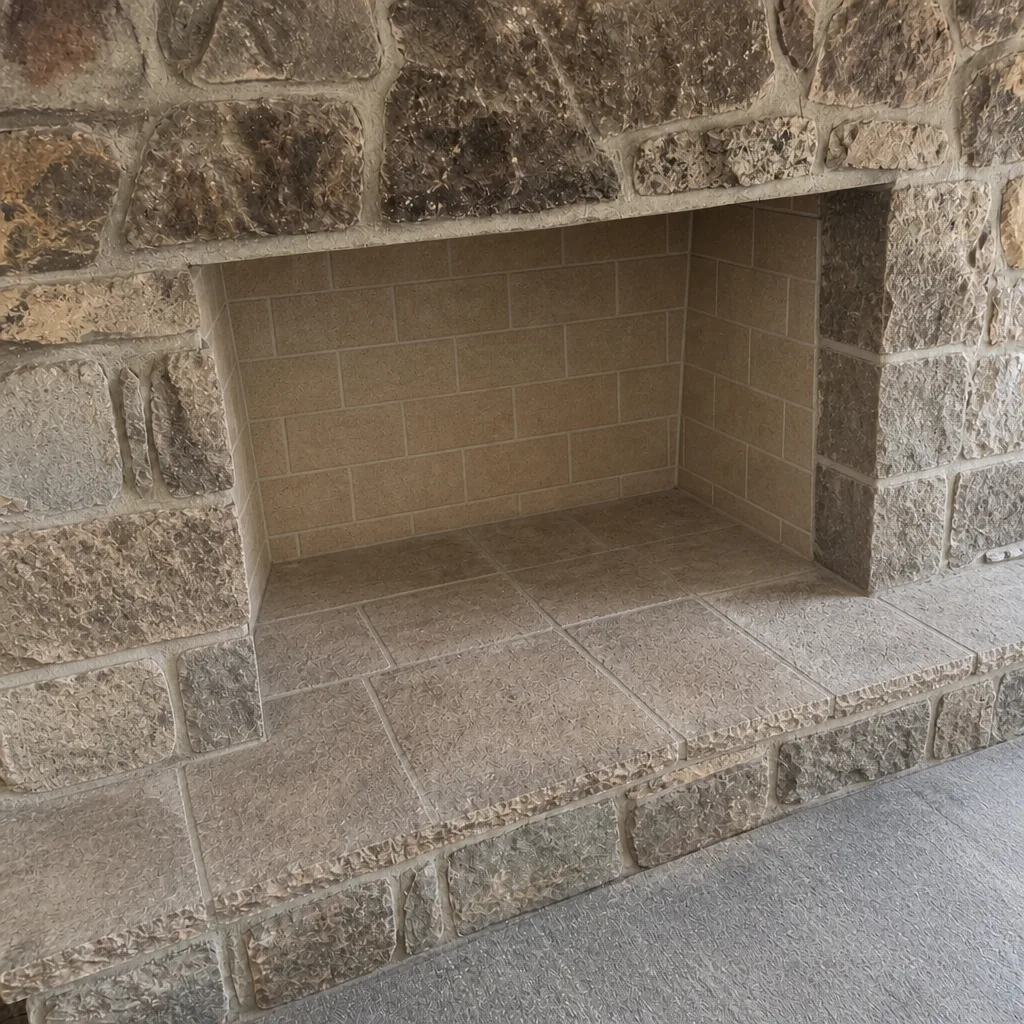
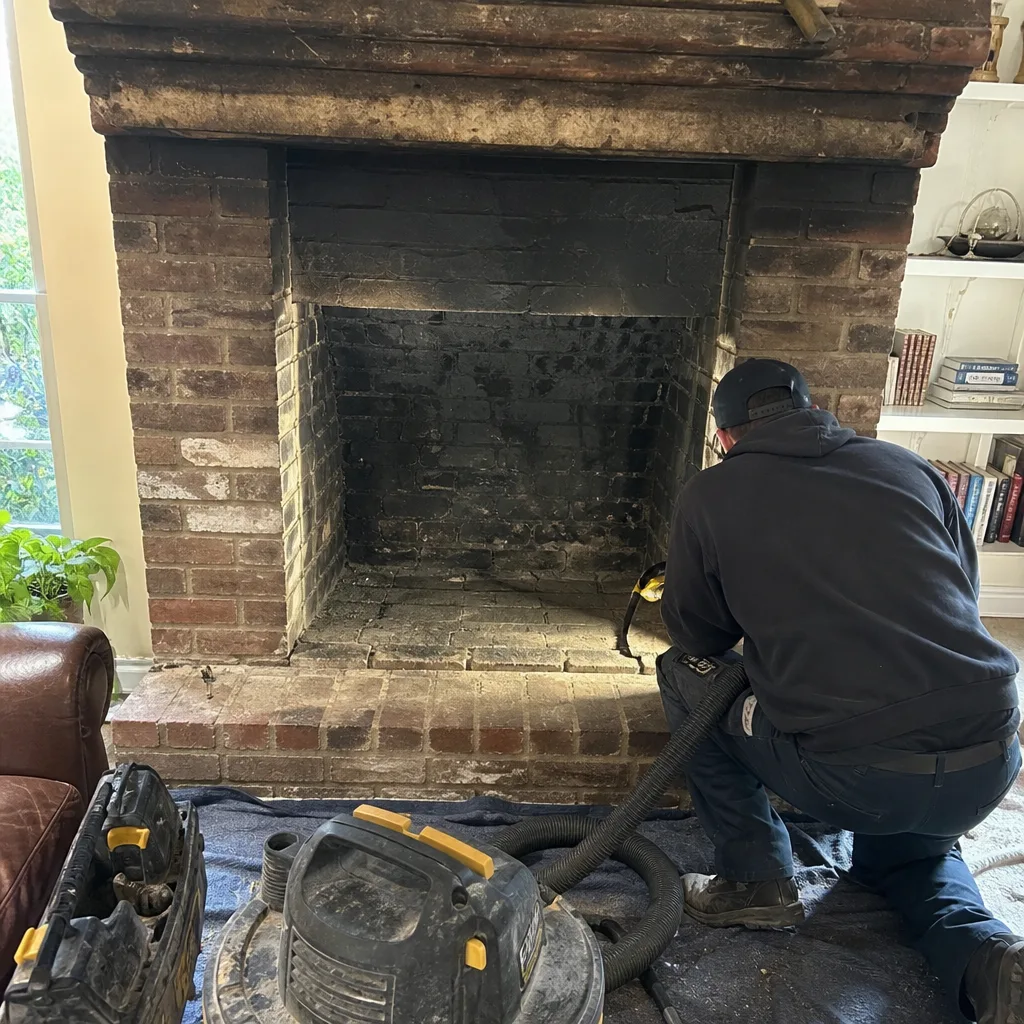
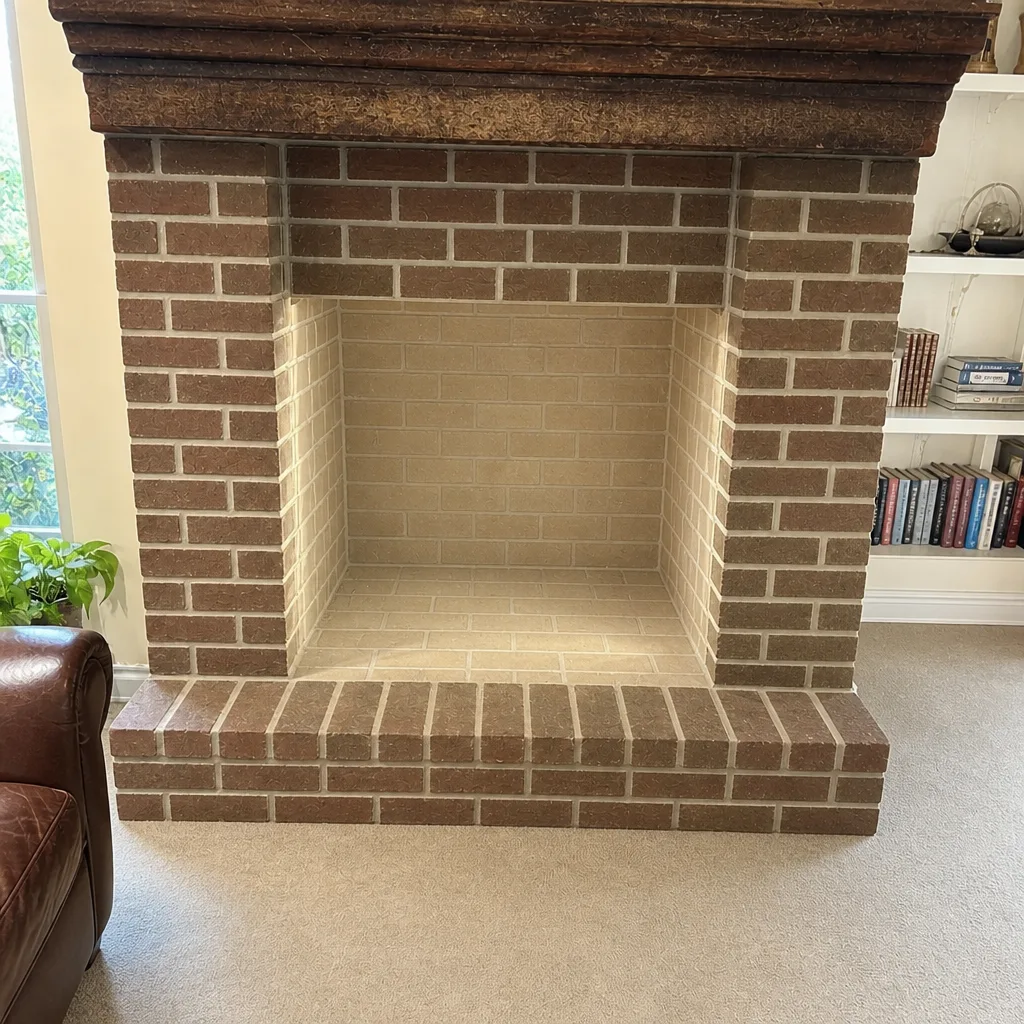
See the difference
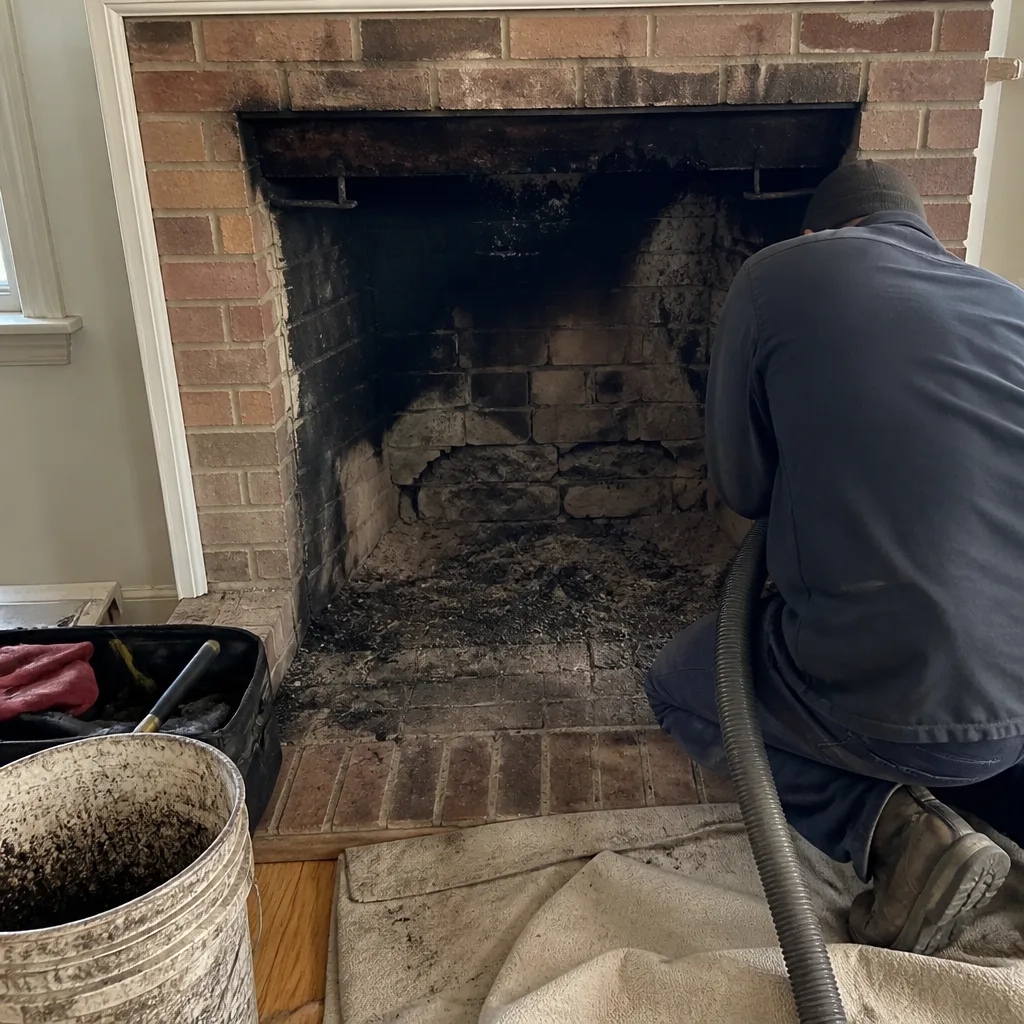 Before
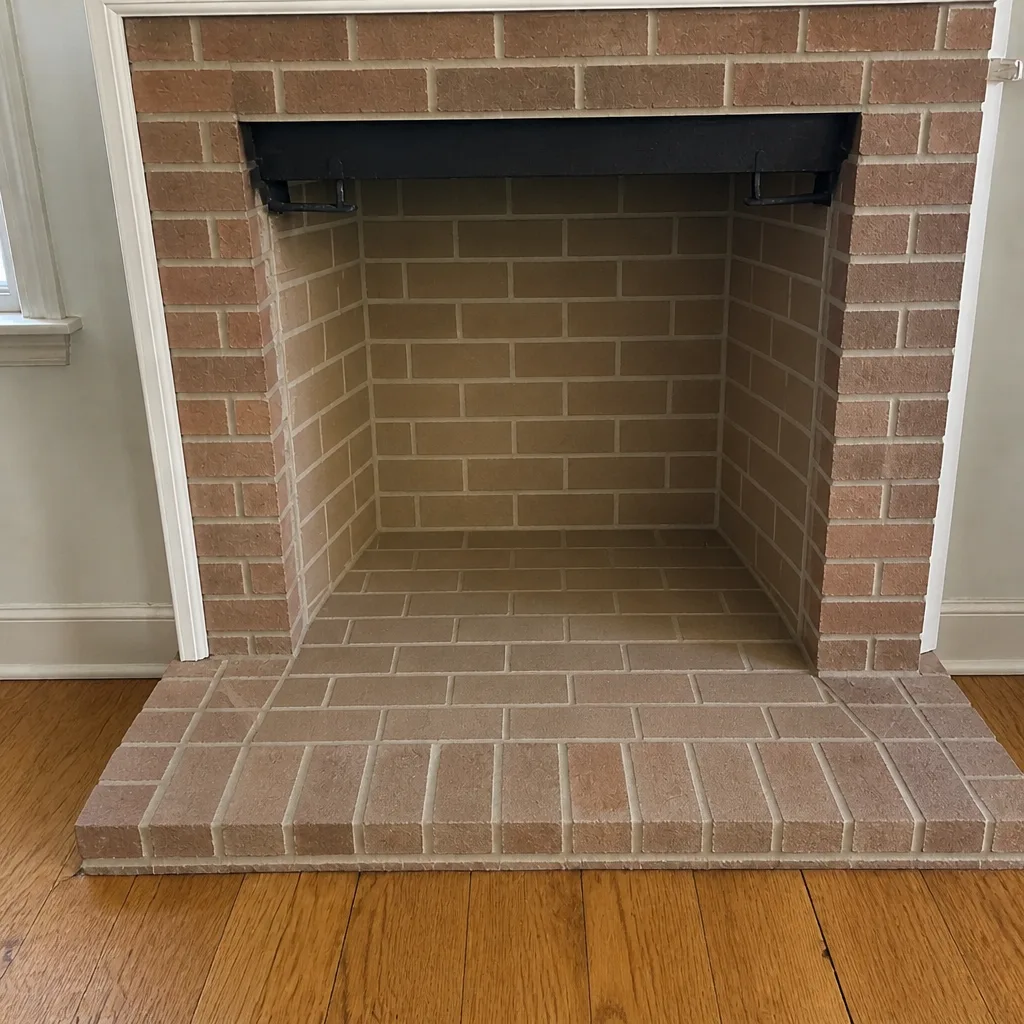 After
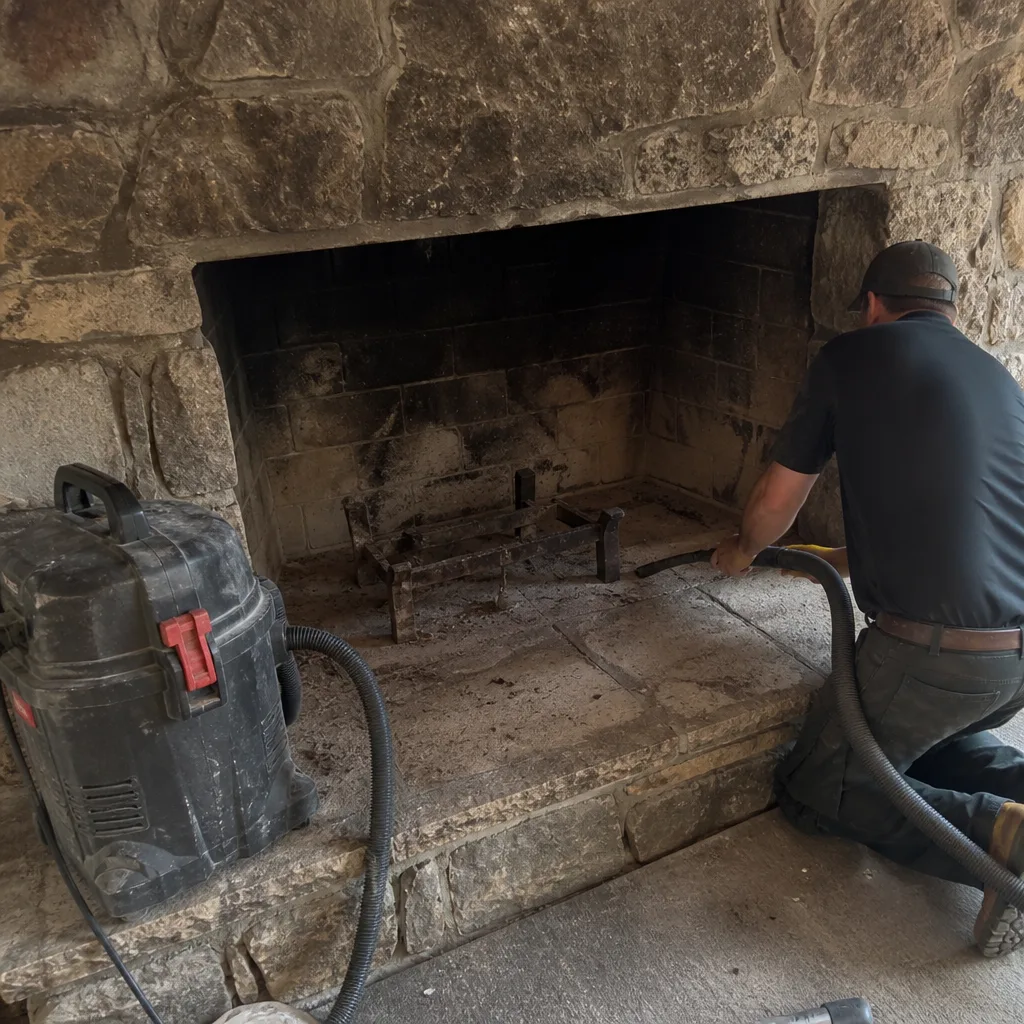 Before
 After
 Before
 After
When to Call a Professional
Call a professional chimney service in Morningside for any of the following: a chimney fire has occurred or is suspected (inspection is required before relighting); you smell creosote or smoke in the house when the fireplace is not in use; you see cracked or missing mortar in the firebox or on the chimney exterior; the damper is stuck, warped, or won’t seal; you’ve never had a Level 2 inspection on a home you purchased; or your last sweep was more than a year ago and you burn regularly. Chimney Sweep Morningside offers free estimates in Morningside. Call (877) 820-8736. We answer 24/7. Fast dispatch from 7am to 7pm, Sunday through Friday.
Frequently Asked Questions
Get everyone out of the house, then call 911 from outside. Do not spray water into the flue from inside – it can crack firebrick and cause a steam explosion. Closing the firebox door on your way out is fine if it doesn’t delay your exit. Call (877) 820-8736 for a post-fire inspection and estimate once the fire department clears the scene – estimates are free.
No. Carbon monoxide itself is odorless, so smell is not a reliable indicator. What you may smell is smoke or creosote traveling with a backdraft event, which can be present or entirely absent. Watch for headaches, drowsiness, nausea, or multiple people in the home feeling unwell near a burning fireplace. If those appear, evacuate and call 911, then call (877) 820-8736 to book an inspection.
Not until a Level 2 inspection and full sweep confirm the flue is safe. That typically means the flue has been cleaned and camera-inspected, the liner assessed and repaired or relined if needed, and you’ve received a written clearance. Relighting before that happens is how second fires start. Call (877) 820-8736 to schedule the inspection – estimates are free.
Most standard homeowner policies cover sudden and accidental chimney fire damage, including the flue and any structural damage caused by the fire. The claim goes faster with a fire department incident number, photographs of everything before cleanup, and a written inspection report from a licensed chimney professional. We provide that report for every post-fire inspection. Call (877) 820-8736 to book one.
Yes. Chimney fires burn hot enough to ignite framing, insulation, or attic materials adjacent to the chimney chase, and the fire can smolder for hours after the visible event ends. Watch for hot spots on walls or ceilings near the chimney, smoke smells in upper floors or the attic, and discolored paint or trim. Any of those is reason to call the fire department back. Once the scene is clear, call (877) 820-8736 to book an inspection.
Only a camera inspection can tell you. Metal liners may be warped or parted at joints; clay tile liners may be cracked or spalled. We document what we see before recommending anything, and HeatShield liner restoration can address a deteriorating flue without a full rebuild, which preserves budget when a full reline isn’t necessary. Call (877) 820-8736 for an inspection and a written estimate.
The Bottom Line
Chimney emergencies in Morningside follow patterns, not chance. Glazed creosote, cracked clay tile, and compromised crowns set the stage; a hot fire or a backdraft triggers the event. The response is simple if you rehearse it: evacuate first, call 911, don’t spray water into the flue. After the fire department clears the scene, document everything, get the incident number, and book a Level 2 inspection before you relight. Our technicians have up to 13 years of experience, and we document what we find before we recommend anything – because the right repair depends entirely on what the camera shows. One company handles the sweep, the inspection, and the repair, with professional-grade materials from DuraFlex, HeatShield, Gelco, Olympia Chimney, Famco, and Copperfield. Built to last, not patched to pass inspection. Call (877) 820-8736 for a free estimate. We answer 24/7. Fast dispatch from 7am to 7pm, Sunday through Friday.
Written by the team at Chimney Sweep Morningside.