
Last updated November 25, 2026
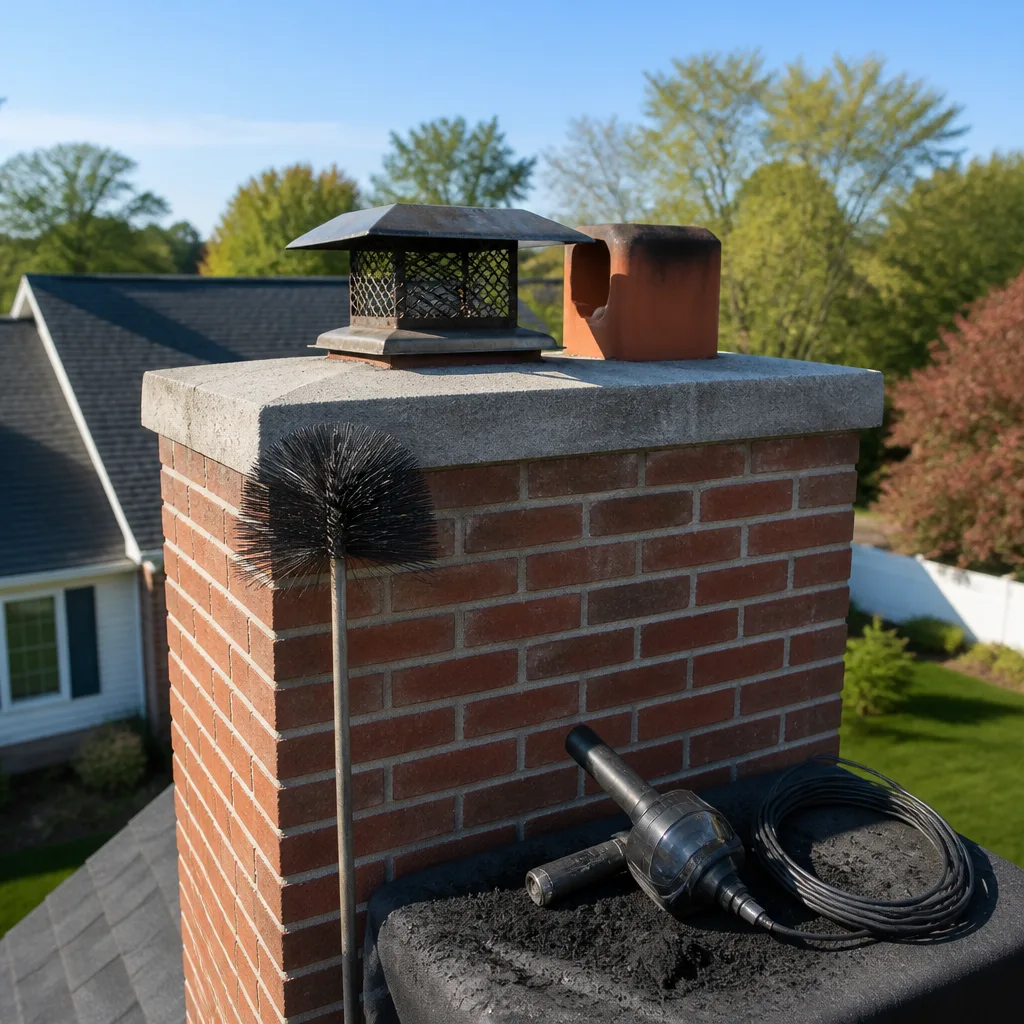 Sweep & inspection
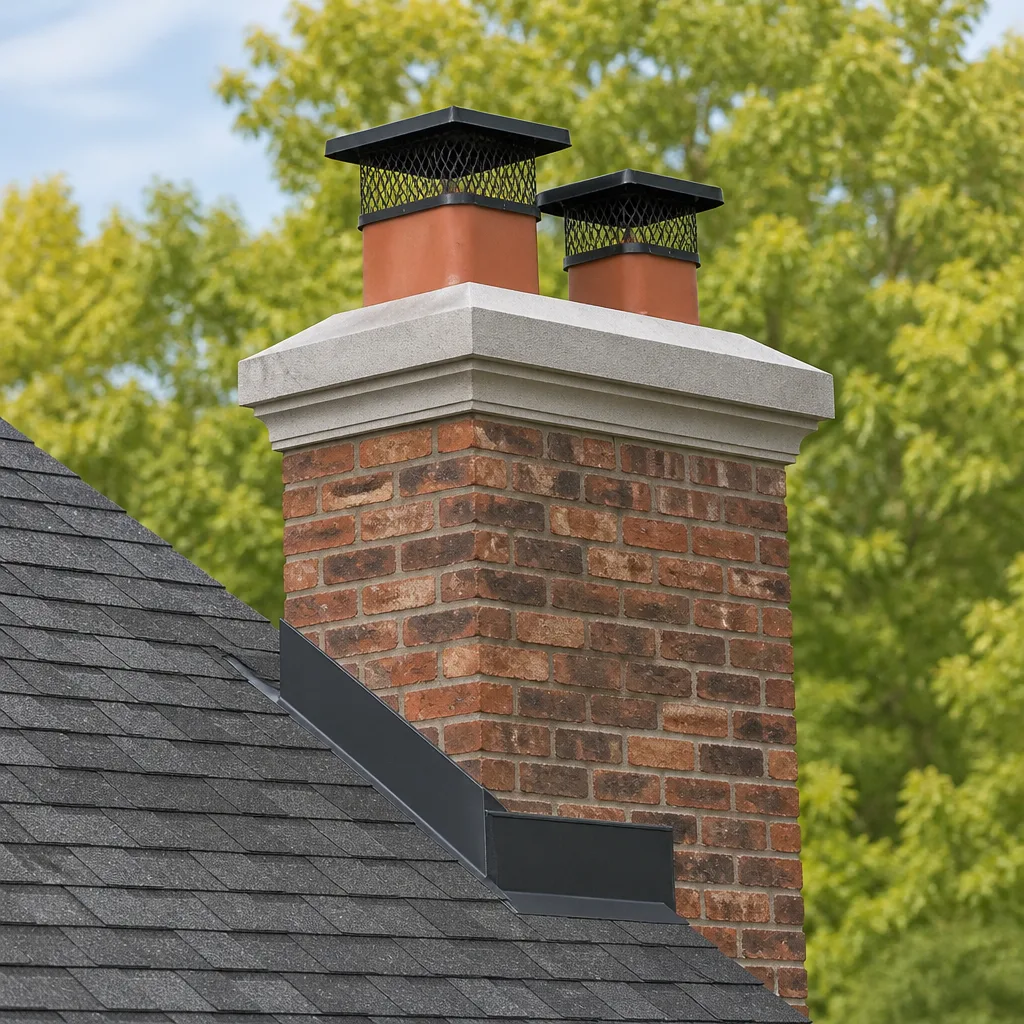 Caps & crowns
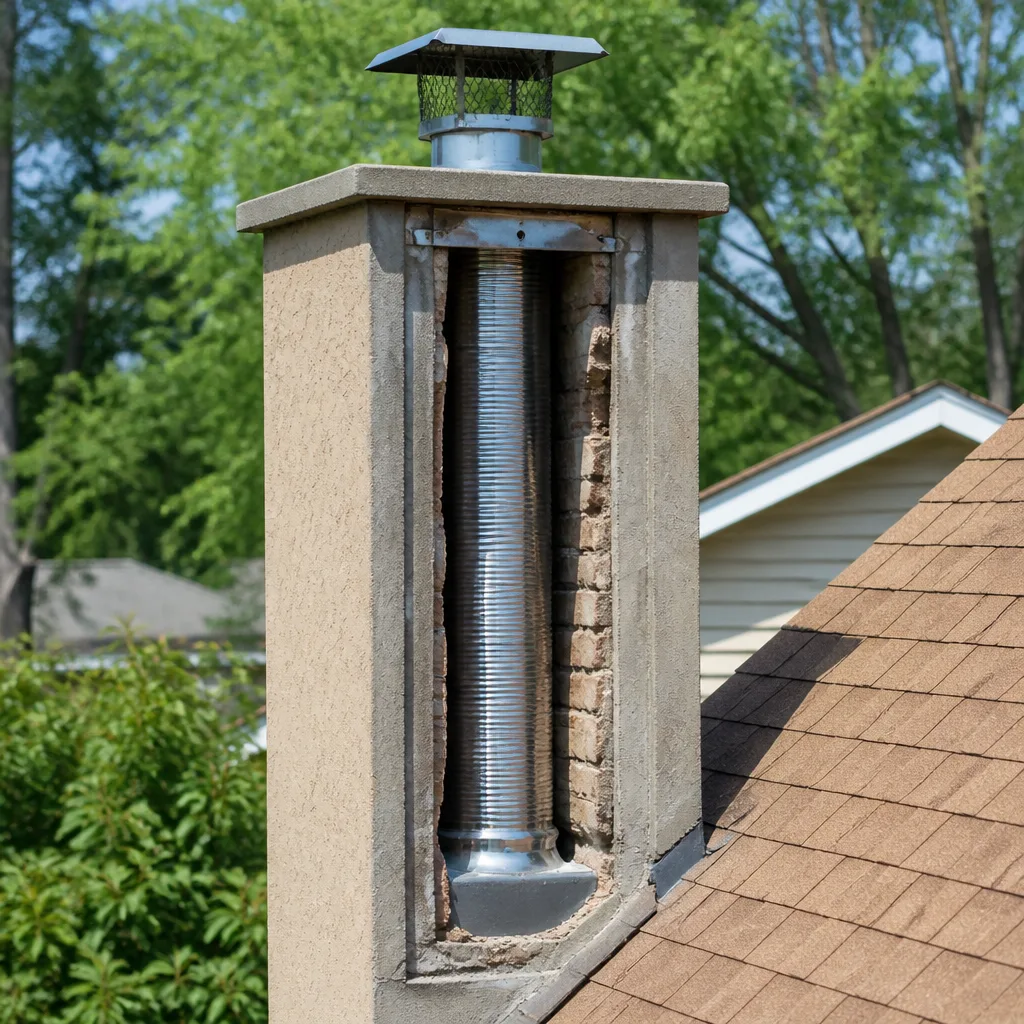 Flue relining
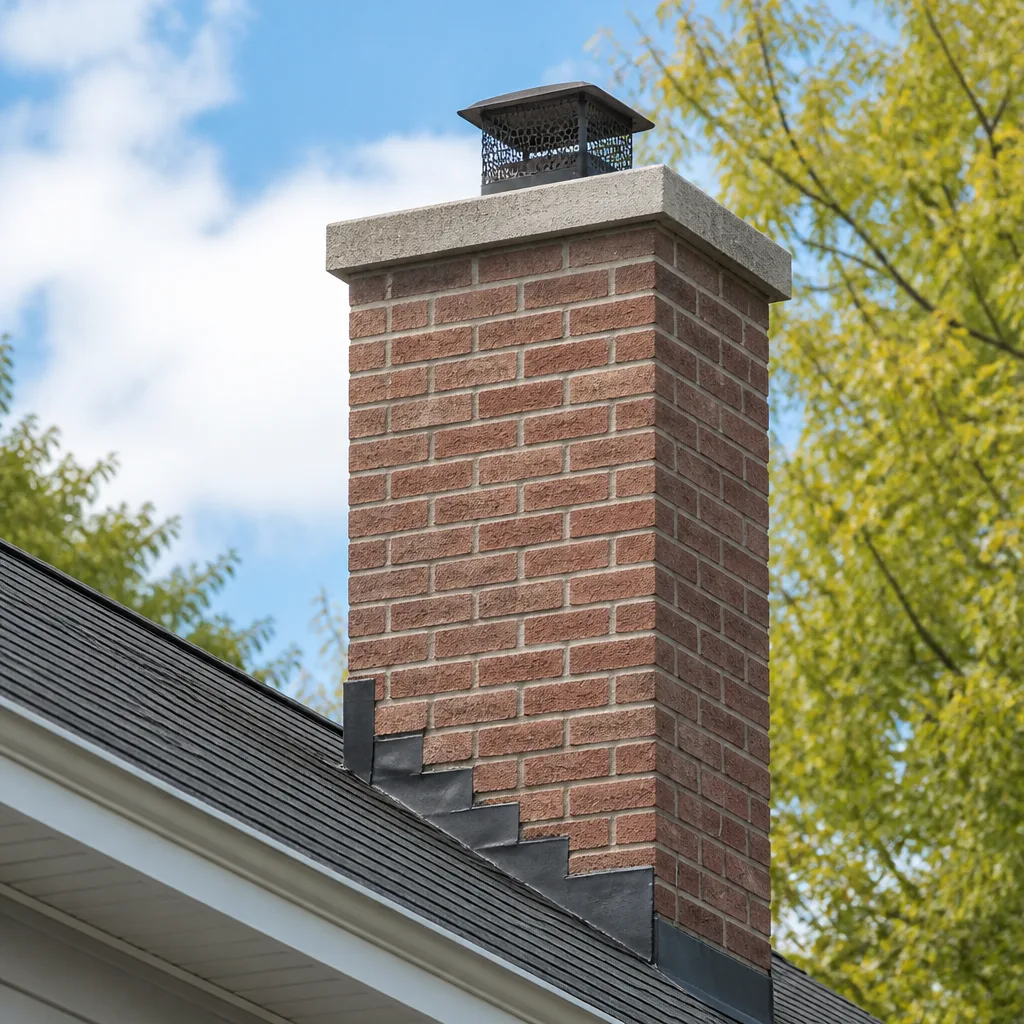 Masonry repair
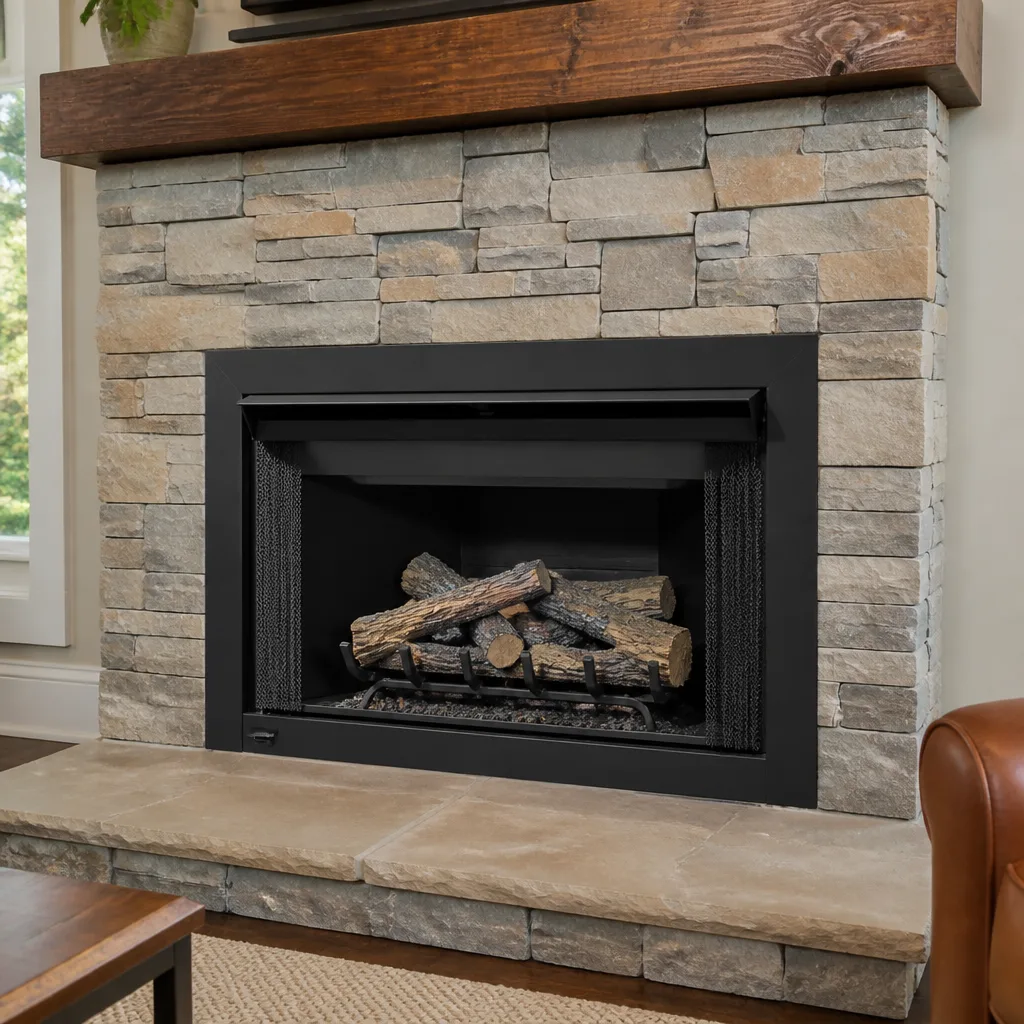 Gas fireplace service
Level 1 sweep and inspection to the NFPA 211 annual standard - flue, crown, cap, and flashing checked and photographed
Chimney sweep logs do not sweep chimneys. They loosen some creosote - which then falls where a brush and vacuum still have to collect it.
Chimney Sweep Maintenance Checklist for Morningside Homeowners
Most chimney maintenance checklists floating around online were written for someone in a cold climate who burns wood six months a year. That’s not how most Morningside fireplaces actually get used. In our experience, a lot of local homeowners light a fire eight or ten times through January, maybe once in February, then let the fireplace sit untouched until the next December. And that light-use pattern creates its own set of risks that a generic checklist misses entirely. A chimney that sat dormant all summer has had months to take on moisture, house animals, and lose a little mortar grip. A single fall cleaning won’t catch any of that if nobody’s looking for it. This guide is calibrated for how fireplaces in Morningside really get used, so the checklist matches the house it’s in.
Quick Answer
A chimney maintenance checklist for Morningside homeowners should cover two things: an annual professional sweep and inspection, and a short list of checks you can do yourself before and after each burning season. Because local fireplaces often sit dormant for months, the most overlooked items are draft testing after long inactivity, a firebox inspection for spalling brick and efflorescence, and a cap and crown review after summer heat expansion. Do those three and you’ve handled the failures a generic checklist misses.
Styles & brands we work with
- Sweep & inspection
- Caps & crowns
- Flue relining
- Masonry repair
- Gas fireplace service
Table of Contents
- Why Light-Use Fireplaces Still Need Real Maintenance
- Pre-Season Checklist for a Dormant Fireplace
- What to Check in the Firebox Before You Call a Sweep
- Draft Testing After Months of Dormancy
- Post-Storm Inspection Triggers for Morningside
- How to Log Your Fireplace Usage So Your Sweep Can Assess Creosote
- The Maintenance Item Most Morningside Homeowners Skip
- What a Professional Annual Service Actually Covers
Why Light-Use Fireplaces Still Need Real Maintenance
Creosote buildup is the risk everyone knows about, and light use means less of it. That’s true. But creosote is only one of several failure modes in a chimney, and the others don’t care how often you burn. Moisture intrusion happens whether or not there’s ever a fire in the box. A chimney on a house in Morningside that sat idle from March to November has seen a full summer of heat, humidity swings, and afternoon thunderstorms. That’s enough time for a small crack in the crown to widen, for a mortar joint to soften, and for debris to collect.
The other factor most homeowners underestimate is the critter problem. An unused flue is a quiet, dry, protected tube, and birds, squirrels, and wasps find it. Nesting material blocks draft and creates a fuel source sitting right where you plan to light a fire in a few weeks.
Here’s what light use actually changes about your maintenance schedule:
- You may not need an annual sweep on a strict calendar. A fireplace burned a dozen times a year accumulates creosote much more slowly than one burned nightly. A qualified sweep can tell you the real interval based on what they find inside the flue.
- You do need an annual inspection. The inspection looks at the structure, the liner, the cap, the crown, and the firebox. Those degrade on their own timeline, not yours.
- You need a pre-season check every year, even if you skip the sweep. Before the first fire of the season, someone needs to confirm the flue is clear, the damper moves, and the draft works.
We’ve seen enough dormant fireplaces in Morningside to know that a chimney with zero fires in it since last winter can still be in worse shape than one that burned every week. The reason is simple: the burning at least proved the draft worked. Dormancy proves nothing.
Pre-Season Checklist for a Dormant Fireplace
Work through this list in the weeks before you plan to light the first fire of the season. None of it requires tools beyond a flashlight and a mirror on a stick, and none of it puts you near anything dangerous. Where the checklist crosses into actual repair work or a flue you can’t see, that’s the point to bring in a professional.
- Look up the flue with a flashlight. Shine it upward from the firebox with the damper open. You should see a continuous passage. Any visible nest, leaf pack, or debris shelf means you stop here and call a sweep.
- Open and close the damper several times. It should move without binding. A damper that sticks open or won’t close all the way costs you heat year-round and lets cold air fall into the room.
- Check the firebox floor and walls for ash and debris buildup. Clear out old ash before the season starts so you can see the brick and mortar underneath. Excess ash left over a wet summer can hold moisture against the firebox floor.
- Inspect the firebox brick for cracks and check the mortar joints. Small surface cracks in firebrick are common and often cosmetic. Cracks that go through the brick body, or missing mortar in the joints, are not.
- Confirm the cap is still on the chimney top. A glance from the ground with binoculars is enough for this one. If the cap has shifted, tilted, or vanished, you have an open flue.
- Clear the hearth area of anything combustible and confirm the screen or doors close properly.
- Test the draft before you load wood (covered in detail further down).
The checklist you’ll find under the chimney sweep Morningside service page covers what happens during the professional visit itself; the list above is the homeowner side of the same job. Together they cover the full cycle from dormant summer to first fire.
What to Check in the Firebox Before You Call a Sweep
The firebox is the one part of the system you can assess pretty well yourself with a flashlight. It’s also where the most expensive problems announce themselves first. Here are the three signs worth knowing, what each one means, and how urgent it actually is.
Spalling brick
Spalling is when the face of a brick flakes off or crumbles. In a firebox it usually means the brick has been through repeated wet-dry cycling or sustained heat stress. A single small spall on one brick may be cosmetic. Several spalled bricks, or spalling concentrated near the firebox floor or the throat, points to moisture getting in and to a firebox that needs real repair work rather than a cleaning.
Efflorescence
Efflorescence is the white, chalky powder or crust you sometimes see on brick and mortar. It’s salt pushed to the surface as water moves through the masonry and evaporates. Think of it as a receipt from moisture: where there’s efflorescence, there was water. A light dusting is a wait-and-watch item. Thick crusting that keeps coming back after you brush it off is a sign moisture is still finding a path into the masonry, and that’s worth an inspection.
Daylight through mortar joints
This one is unambiguous. If you can see light coming through a mortar joint anywhere in the firebox, the firebox is not sealed and heat and gases can escape into the wall structure. Stop there and call a professional before you burn again.
If you find any of these, don’t try to patch the firebox yourself. Firebrick and refractory mortar are specific materials installed a specific way, and a patch that fails under heat can be worse than the original problem. The fireplace repair work we do starts with documenting the condition so you can see exactly what’s failing before anything gets removed.
Draft Testing After Months of Dormancy
Draft is the chimney’s ability to pull smoke up and out. A dormant chimney can lose draft for several ordinary reasons: a damper stuck partly shut, a nest or debris blockage, a cap that shifted and now blocks the flue opening, or a difference in temperature between the house and the outside air. Testing draft before you load real wood is a simple smoke test, and it takes about two minutes.
- Make sure the damper is fully open. This sounds obvious and it’s the single most common cause of a smoky first fire.
- Open a window a crack in the same room to give the fire an air supply.
- Light a small piece of paper or a few sticks of kindling and watch where the smoke goes.
- Smoke should rise straight up into the flue and disappear. If it rolls out into the room, settles, or comes back down the chimney, stop.
- Give a cold chimney a few minutes to warm up and establish its pull before you conclude the draft is failing. A firebox that’s been cold for eight months sometimes takes a minute to start pulling.
- If smoke still rolls out after several tries, don’t keep adding fuel. A persistently poor draft means something is blocking or restricting the flue, and that’s an inspection item.
Morningside summers leave a lot of time for a flue to collect a leaf pack or a small nest, and the first sign is exactly this: a fire that won’t draw and a room that fills with smoke. Smoke in the room isn’t just unpleasant. It’s a signal worth acting on. If the draft test fails, call a professional rather than working harder at getting a fire going.
Post-Storm Inspection Triggers for Morningside
Morningside gets its share of strong thunderstorms, the kind with heavy lightning and gusty wind, and those events do specific damage to a chimney system. Summer heat expansion loosens the mortar grip on caps and crowns, then a strong gust finds the loosened piece. The result is a cracked crown, a shifted cap, or a cracked flue tile. You can’t see most of that from inside the house.
Here’s when to schedule a post-storm inspection rather than waiting for the annual service:
- After a storm with sustained high wind, not just rain. Wind is what moves caps and crown material.
- If you find pieces of mortar, tile, or brick on the roof or in the yard. That’s material that came off the chimney.
- If hail fell. Hail is uncommon here, but when it does happen, the cap and crown are the parts that take the hits.
- If you see water staining on the ceiling or chimney breast after a heavy rain. Water getting past a failed crown or flashing shows up inside first.
- After a close lightning strike nearby, even without visible damage. It’s worth confirming the chimney structure and cap came through intact.
The chimney cap & crown work we do exists because this is the part of the system most vulnerable to Morningside’s summer cycle. Heat expansion loosens the crown, storms finish it off, and by the time you notice water inside, the problem has usually had a season to spread. If a storm has rolled through, a look at the top of the chimney is cheap insurance.
How to Log Your Fireplace Usage So Your Sweep Can Assess Creosote
Creosote accumulation depends on how much wood you burn, how dry it is, and how hot the fire runs. A fire that smolders in a low draft deposits far more creosote per log than a hot, well-drafted fire. That means “I burned about fifteen times last year” tells your sweep almost nothing useful. A simple usage log gives them something to work with.
You don’t need a formal system. A pad by the fireplace works fine. Log these items each time you burn:
- The date and roughly how long the fire burned.
- How much wood by volume, not weight. A rough count of how many logs or how full the grate.
- How the wood was seasoned. Dry and split a year, or freshly cut? Wet wood smolders and deposits more.
- How the fire ran. Long and hot, or damped down and smoldering? This is the single biggest factor in creosote formation.
- Any smoke you noticed rolling into the room, or a fire that wouldn’t draw.
- Any changes to the fireplace between sessions, like a more stubborn damper or a new crack in the firebox.
When a sweep has this log, they know whether they’re looking at a flue that should be light and powdery or one that might have glaze. Combined with a camera inspection, the log turns a guess into a diagnosis. We document what we find before we recommend anything, and a homeowner’s usage log is part of that picture.
A few seasons of logs also reveal something you might not notice otherwise: that your “light use” habit actually adds up. Twelve fires a year, every year, for a decade is 120 fires. That’s enough to warrant real attention on a regular schedule, regardless of what the calendar says.
The Maintenance Item Most Morningside Homeowners Skip
This is the one. Cap and crown inspection is the item on the checklist most local homeowners never do, and the reason is understandable: you can’t see it, it’s at the top of the house, and it never makes a noise or smell that sends you looking. But the cap and crown are the chimney’s first line of defense, and they take a beating from Morningside’s summer heat and storm cycle.
The crown is the concrete or masonry top surface of the chimney, sloped to shed water away from the flue. Heat expansion over a summer can cause hairline cracks. Once a crack opens, water gets into the masonry below, freezes on the odd cold night, expands, and widens the crack. The cap sits over the flue opening, and its job is to keep water, birds, and debris out while letting smoke through.
What to watch for with the binoculars every fall:
- A cap that’s visibly tilted, rusted through, or missing
- Visible cracks in the crown, especially long ones or ones that follow the edge
- Crumbling or missing mortar at the top of the chimney
- Plants growing out of the chimney top (a surprisingly common sign of a moisture problem)
When the cap or crown needs replacing, the materials matter. We use Gelco and Famco components for cap and crown work, brands built to precise dimensional tolerances, which reduces callbacks and re-work. A cap that fits properly and a crown that sheds water correctly mean fewer trips to the top of the chimney for years. That’s the quiet return on a maintenance item nobody sees.
What a Professional Annual Service Actually Covers
A professional annual service is two distinct jobs: the sweep and the inspection. It’s worth knowing the difference, because they’re often bundled and priced separately depending on what you need. The sweep cleans the flue, the firebox, and the smoke chamber. The inspection assesses the whole system’s condition, and it’s a standalone, billed service. It isn’t a free add-on, and it shouldn’t be treated as a sales hook.
Here’s what a full professional service covers on a Morningside home:
- The sweep: removing creosote, soot, and debris from the flue, firebox, smoke chamber, and damper area.
- The inspection: checking the firebox, the damper, the smoke chamber, the flue liner, the top of the chimney, the cap, and the crown.
- The camera inspection: a camera run up the flue to see what the eye can’t. A photo report so you can see the condition yourself.
- The assessment: what’s sound, what’s failing, and what can safely wait. A flat-price sweep is agreed before booking, and any repair work is quoted separately from the written inspection findings.
Our technicians have up to 13 years of experience and use professional-grade materials, including DuraFlex flexible liners, HeatShield flue restoration, and Olympia Chimney caps and dampers. One company handles the sweep, the inspection, and the repair, so there’s no handoff between a sweep-only crew and a separate masonry contractor when something needs fixing. The inspection informs the repair decision; it doesn’t drive it.
Common Mistakes to Avoid
- Treating light use as an excuse to skip the annual inspection. The inspection checks structural condition, moisture damage, and the cap and crown, and none of those care how many fires you lit. Skip it and you don’t find the problem until it’s expensive.
- Burning wood that isn’t seasoned. Wet or green wood smolders and deposits far more creosote per fire than dry wood. For a fireplace in Morningside that only sees a dozen fires a year, every one of them should be burning dry wood.
- Ignoring a smoky first fire. Smoke rolling into the room after months of dormancy is your draft telling you something is blocking or restricting the flue. Don’t keep adding wood; investigate.
- Skipping the cap and crown inspection after summer. This is the item most homeowners miss, and the heat expansion plus storm cycle here makes it the one that matters most.
- Not logging usage. Without a rough log, you and your sweep are both guessing about creosote. Ten seconds per fire gives you a real picture.
- Trying to patch the firebox yourself. Firebrick requires specific materials installed correctly. A failed DIY patch under heat can be worse than the original damage, and it can hide the real problem from the next inspection.
- Assuming a clean chimney is a safe chimney. A sweep can leave the flue spotless while a cracked crown and a failing liner go unnoticed. Cleaning and inspection are separate work.
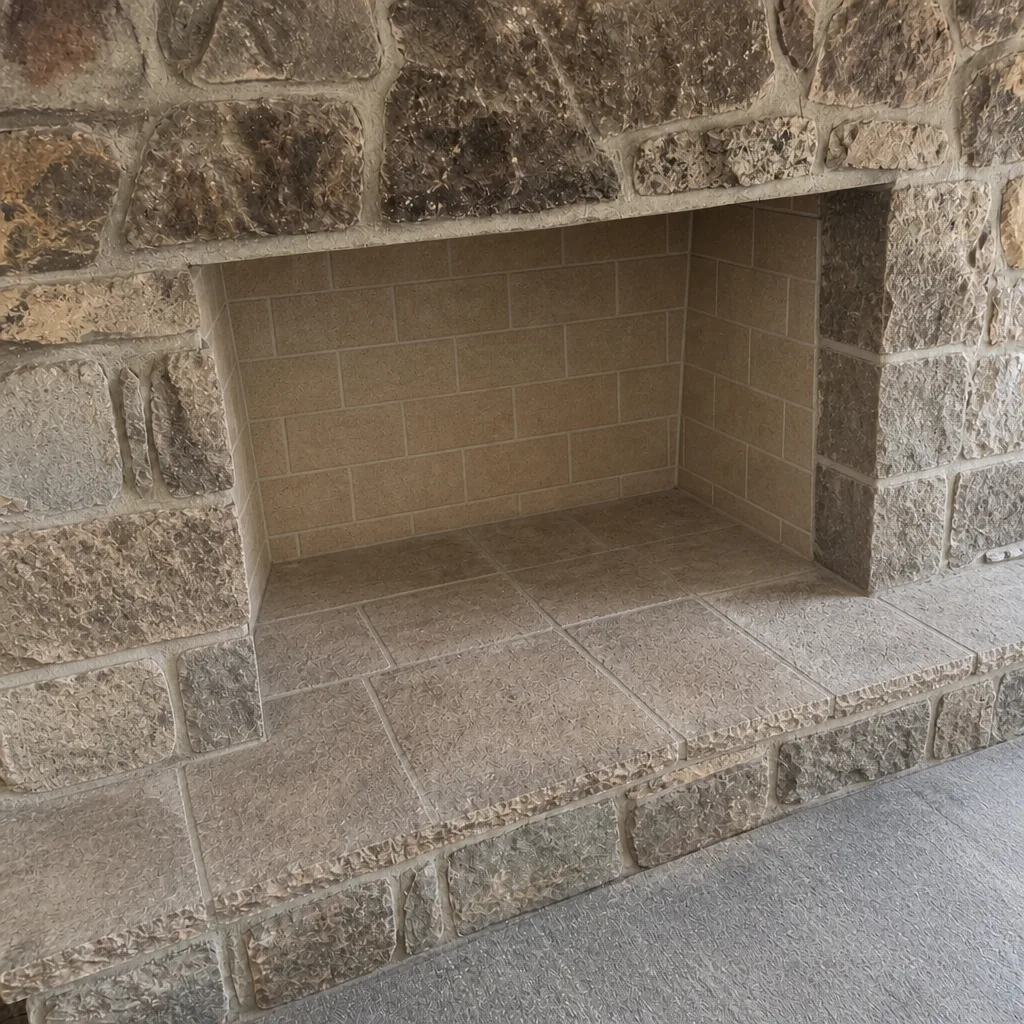
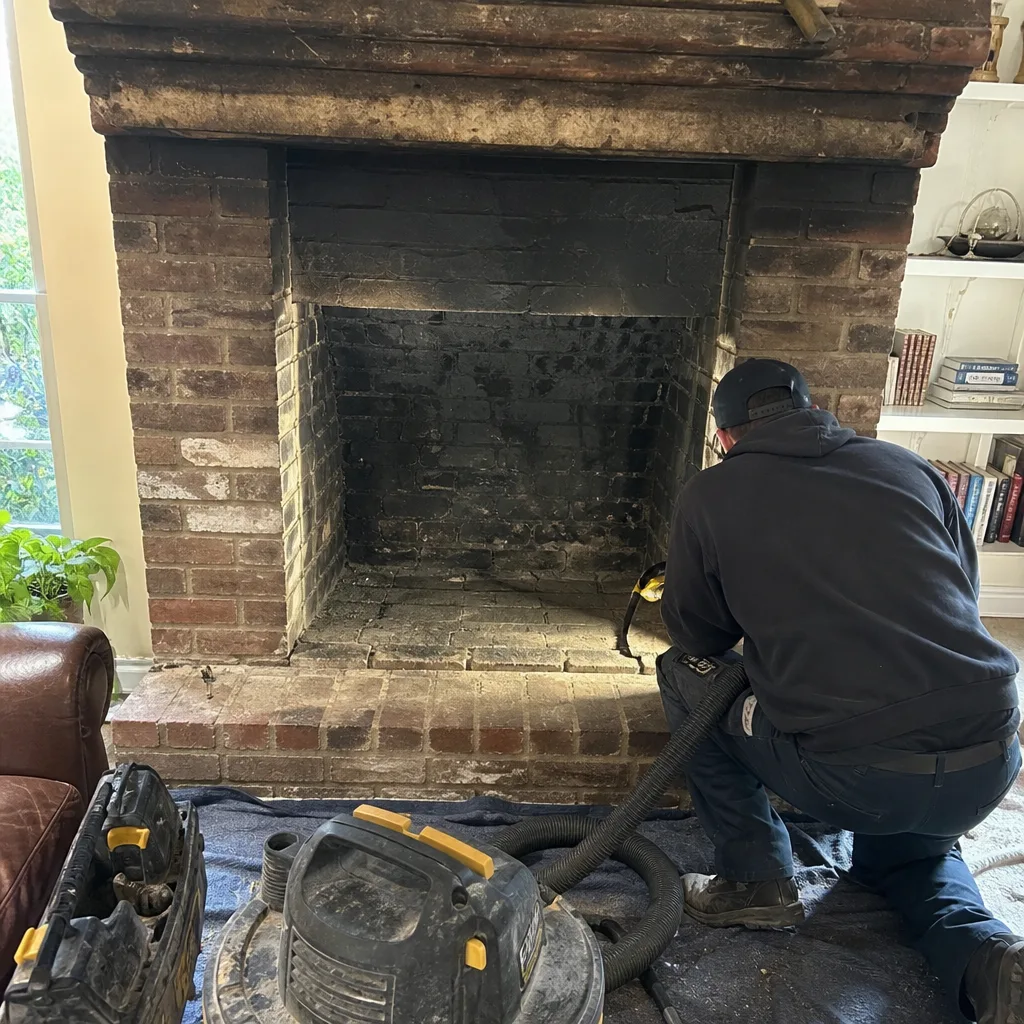
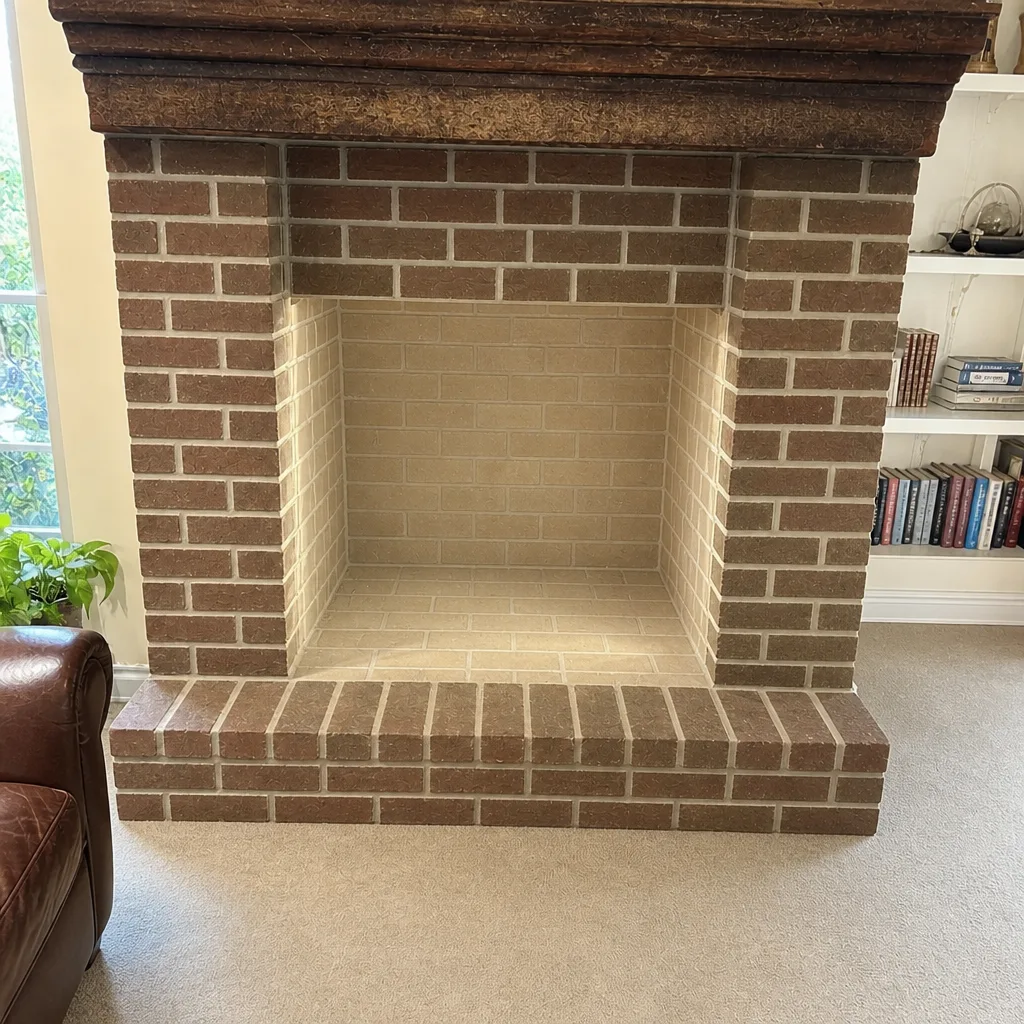
See the difference
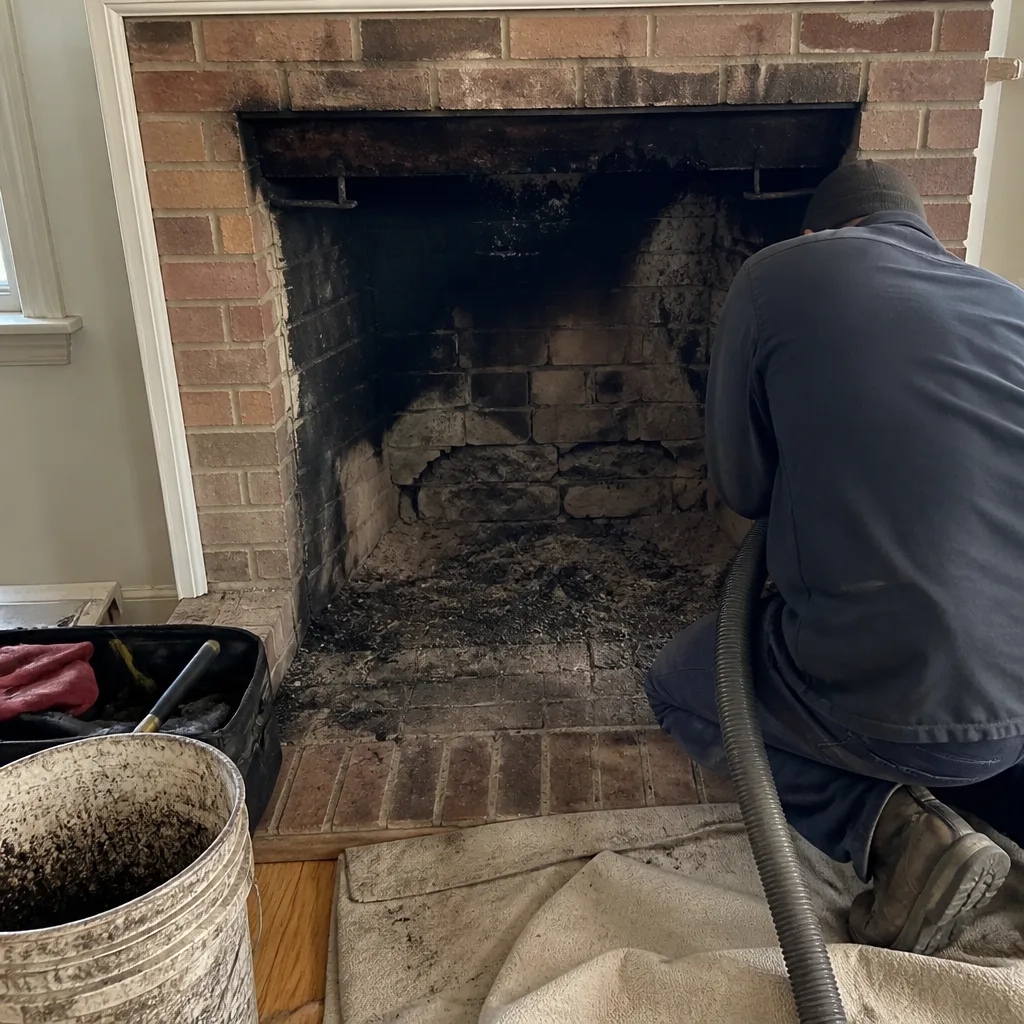 Before
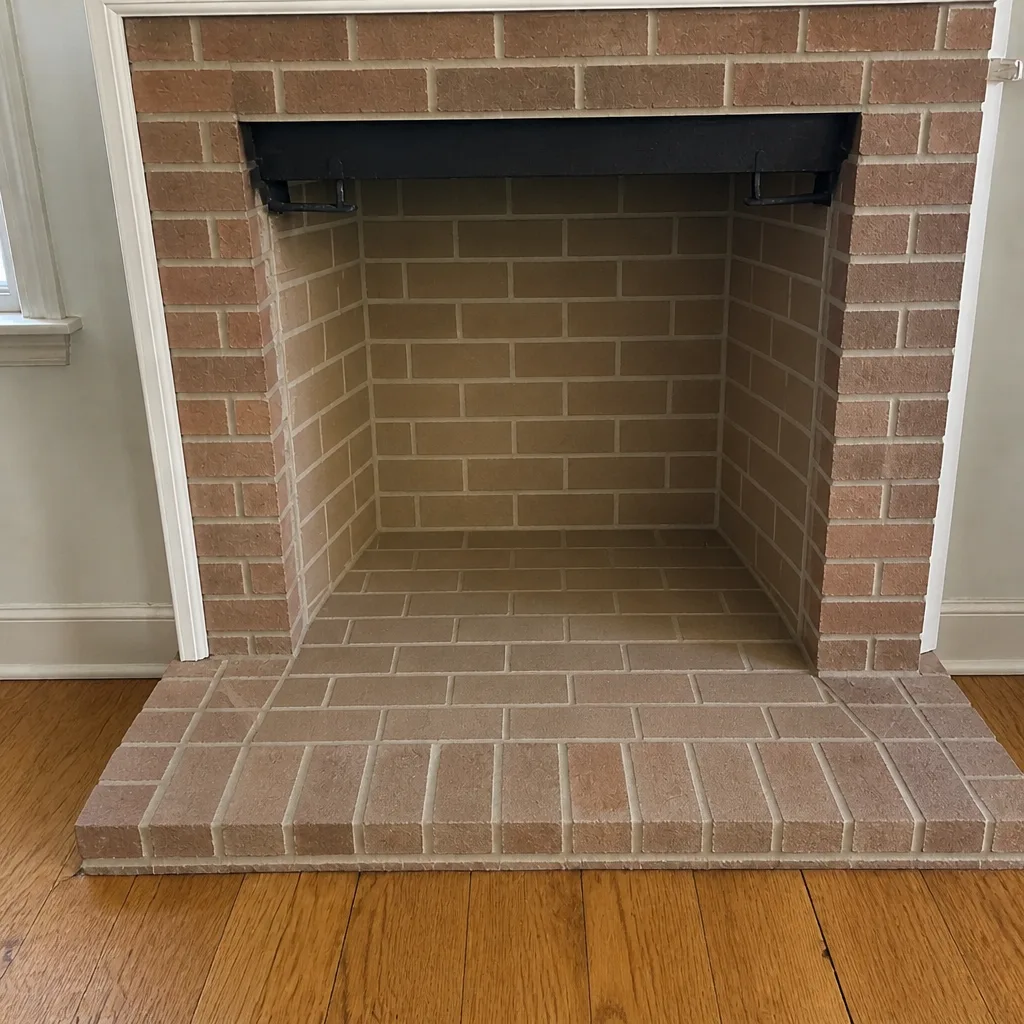 After
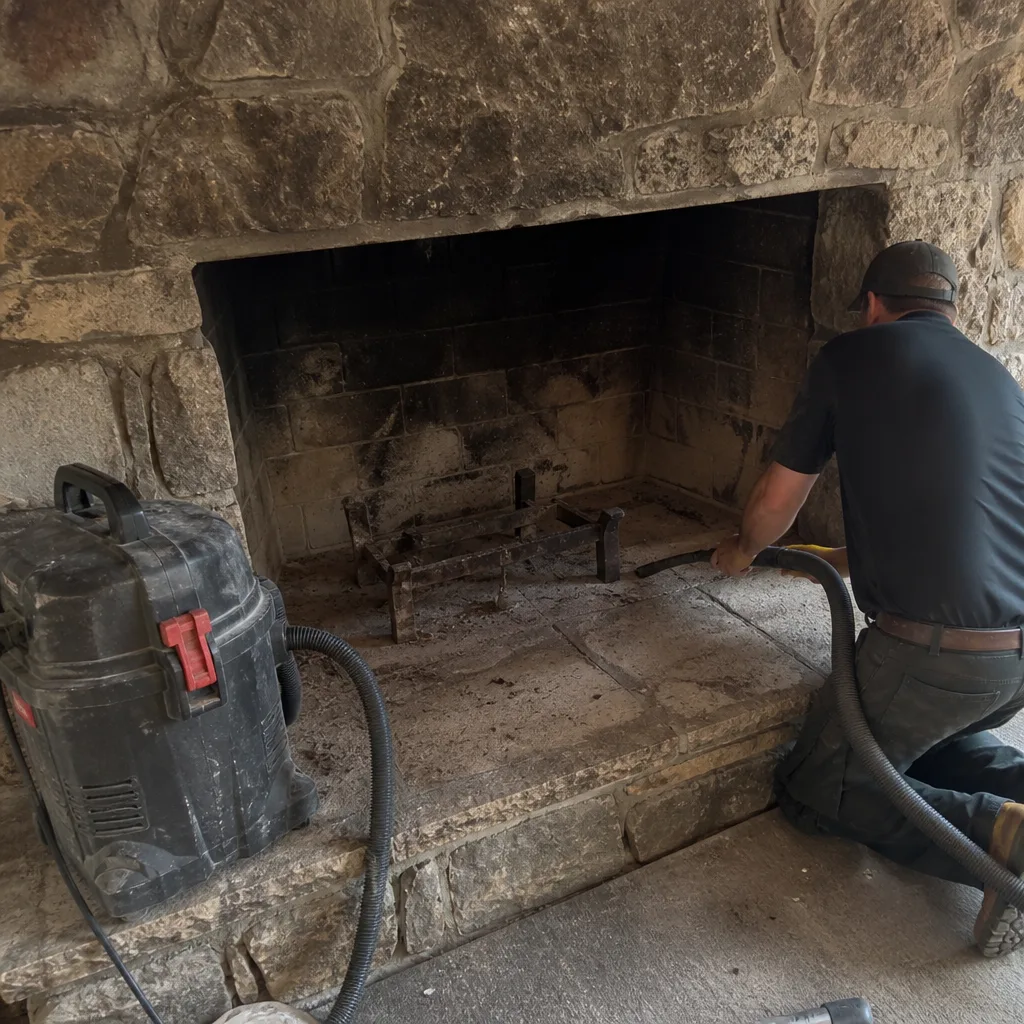 Before
 After
 Before
 After
When to Call a Professional
Call a professional when you find daylight through firebox mortar, when smoke rolls into the room and won’t clear after a proper draft test, when you find mortar or tile pieces on the roof, when you can see water staining on the chimney breast after rain, or when the firebox shows several spalled bricks or persistent efflorescence. Also call if you’ve never had the chimney inspected, or if it’s been more than a year since the last sweep. And call if you’re simply not sure what you’re looking at. Safety comes first, and nobody should be guessing about a flue they can’t see into. Chimney Sweep Morningside offers free estimates in Morningside. Call (877) 820-8736. We answer 24/7. Fast dispatch from 7am to 7pm, Sunday through Friday.
Frequently Asked Questions
For a fireplace that burns a dozen or so times a year, a sweep every couple of years may be enough, but the annual inspection should still happen every year. The sweep interval depends on what’s actually in the flue, and a camera inspection tells you that. For an exact schedule on your fireplace, call (877) 820-8736. We answer 24/7.
Pricing depends on the condition of the flue and whether the service includes a full camera inspection, and the written estimate sets the final price. We agree a flat price for the sweep before booking, and we document what we find before recommending any repair. Call (877) 820-8736 for an exact quote. Estimates are free.
Only if a camera inspection shows the existing liner is cracked, deteriorated, or no longer sized correctly for the appliance. Many deteriorating flues can be restored with HeatShield rather than fully relined, which preserves the budget without compromising safety. We won’t recommend a liner until you’ve seen the evidence yourself. Call (877) 820-8736 to book an inspection.
Creosote builds up in the flue, a blockage or a failed crown goes unnoticed, and the first sign is often a fire that won’t draw or water showing up inside the house. Creosote is highly flammable, and a chimney fire or carbon monoxide problem becomes more likely as creosote and blockage accumulate. A fireplace that isn’t drafting properly can also send smoke and carbon monoxide back into the room. Call (877) 820-8736 if you’re overdue.
Look for spalling brick, white efflorescence on the brick and mortar, and daylight coming through mortar joints. Spalling brick and persistent efflorescence point to moisture intrusion and warrant an inspection, and daylight through a mortar joint means stop using the fireplace until it’s assessed. For anything beyond a visual check, call (877) 820-8736.
After any storm with sustained high wind, and after a close lightning strike, a post-storm inspection is worth booking. Hail is uncommon here, but when it happens the cap and crown take the hits, and wind is what shifts caps and cracks crowns. Call (877) 820-8736 if you find mortar or tile on the roof.
The Bottom Line
A maintenance checklist only works if it matches how you actually use the fireplace. For a Morningside home that lights a fire a dozen times a year and leaves the chimney dormant the rest of the time, the essentials are a pre-season draft test, a firebox check for spalling brick and efflorescence, a usage log your sweep can work from, a post-storm look at the cap and crown, and an annual inspection you don’t skip. Add a sweep when the inspection says the creosote has built up. That’s the whole system, calibrated for the reality of local fireplaces.
Chimney Sweep Morningside provides five core services: chimney sweeping, chimney cap and crown installation, fireplace repair, chimney inspection, and chimney repair. One company handles the sweep, the inspection, and the repair, so you’re not coordinating between specialists. Our technicians have up to 13 years of experience and use professional-grade materials, including DuraFlex, HeatShield, Gelco, Olympia Chimney, and Famco. We document what we find before we recommend anything, and the written estimate sets the final price. Call (877) 820-8736 for a free estimate. We answer 24/7. Fast dispatch from 7am to 7pm, Sunday through Friday.
Written by the team at Chimney Sweep Morningside.