
Last updated November 25, 2026
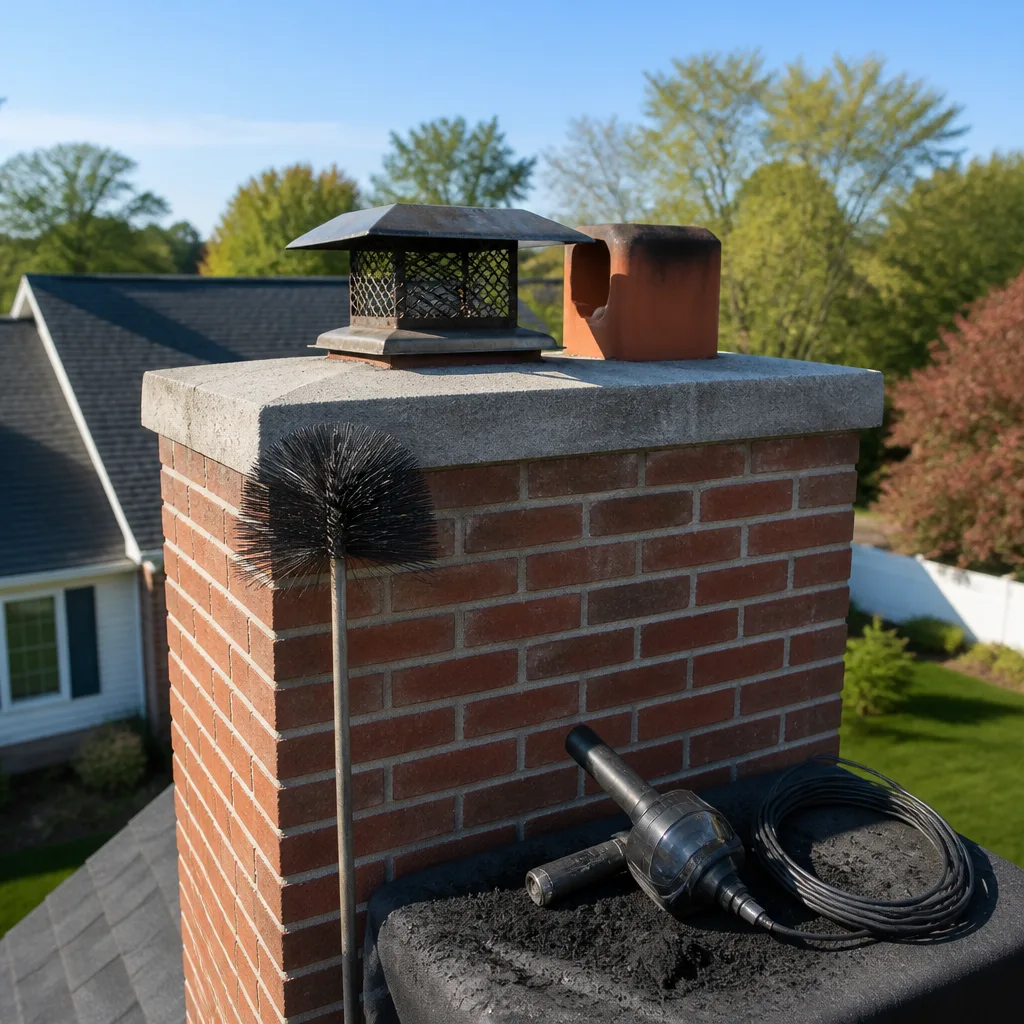 Sweep & inspection
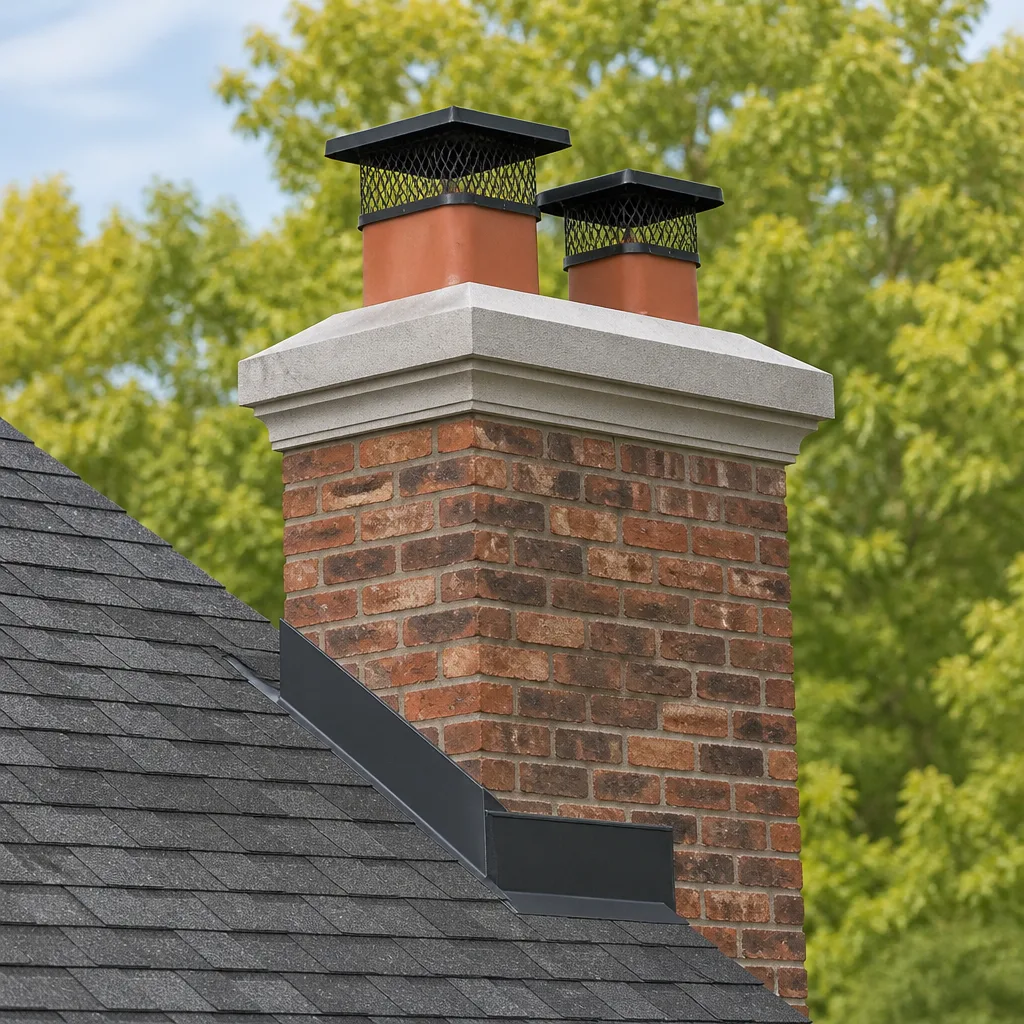 Caps & crowns
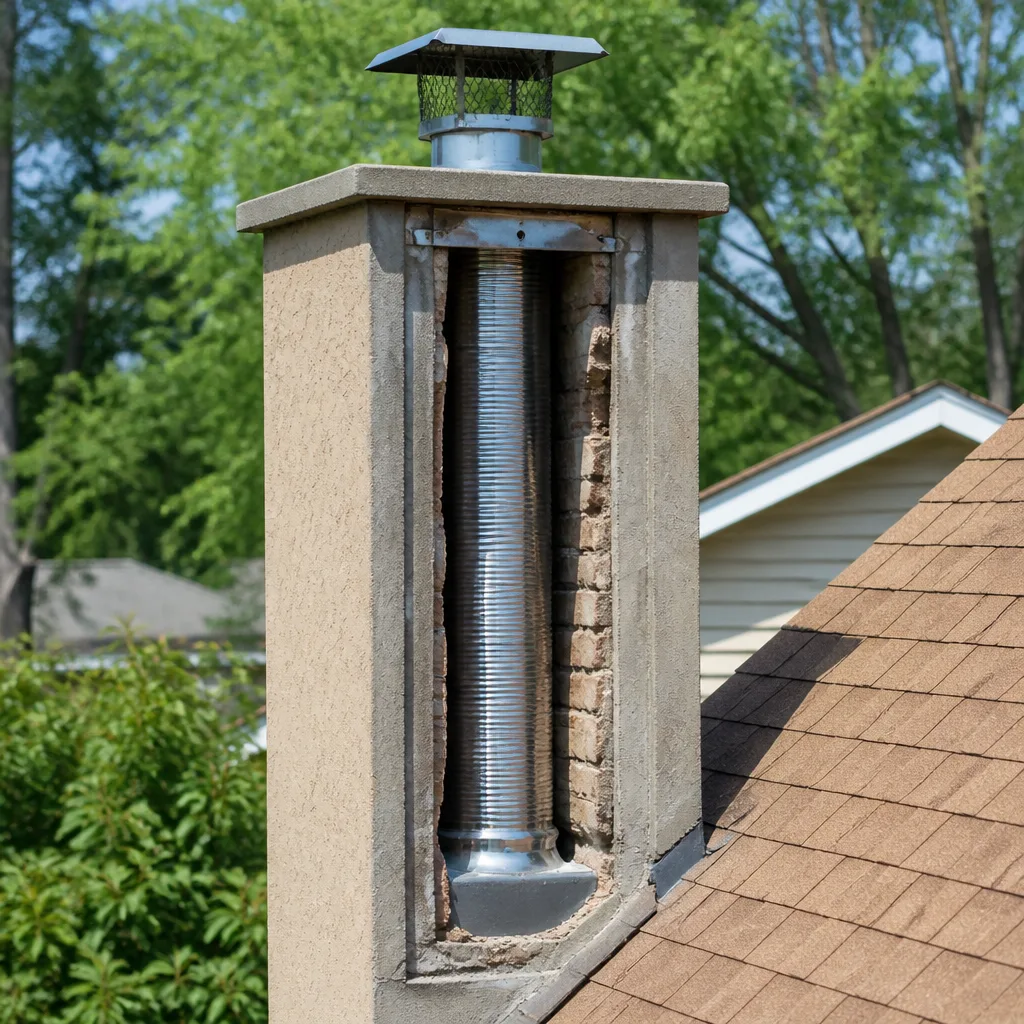 Flue relining
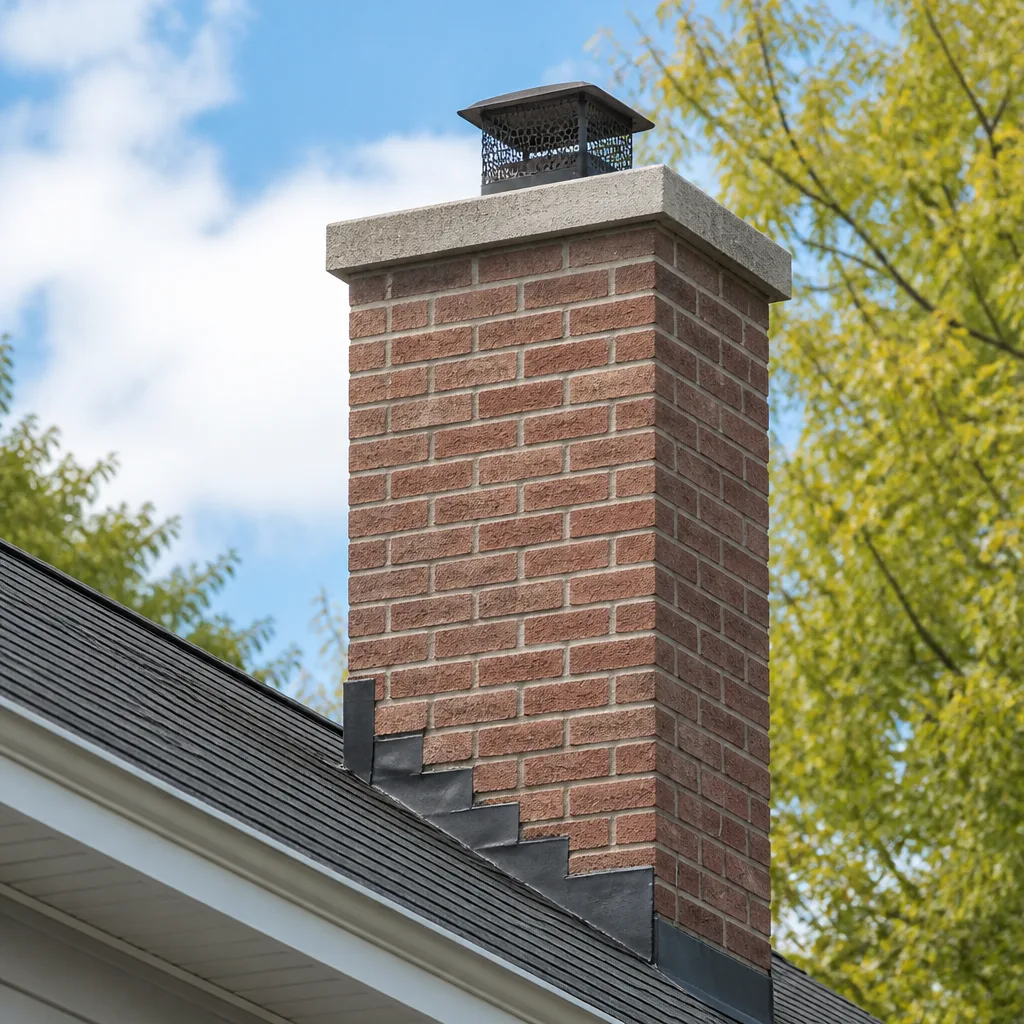 Masonry repair
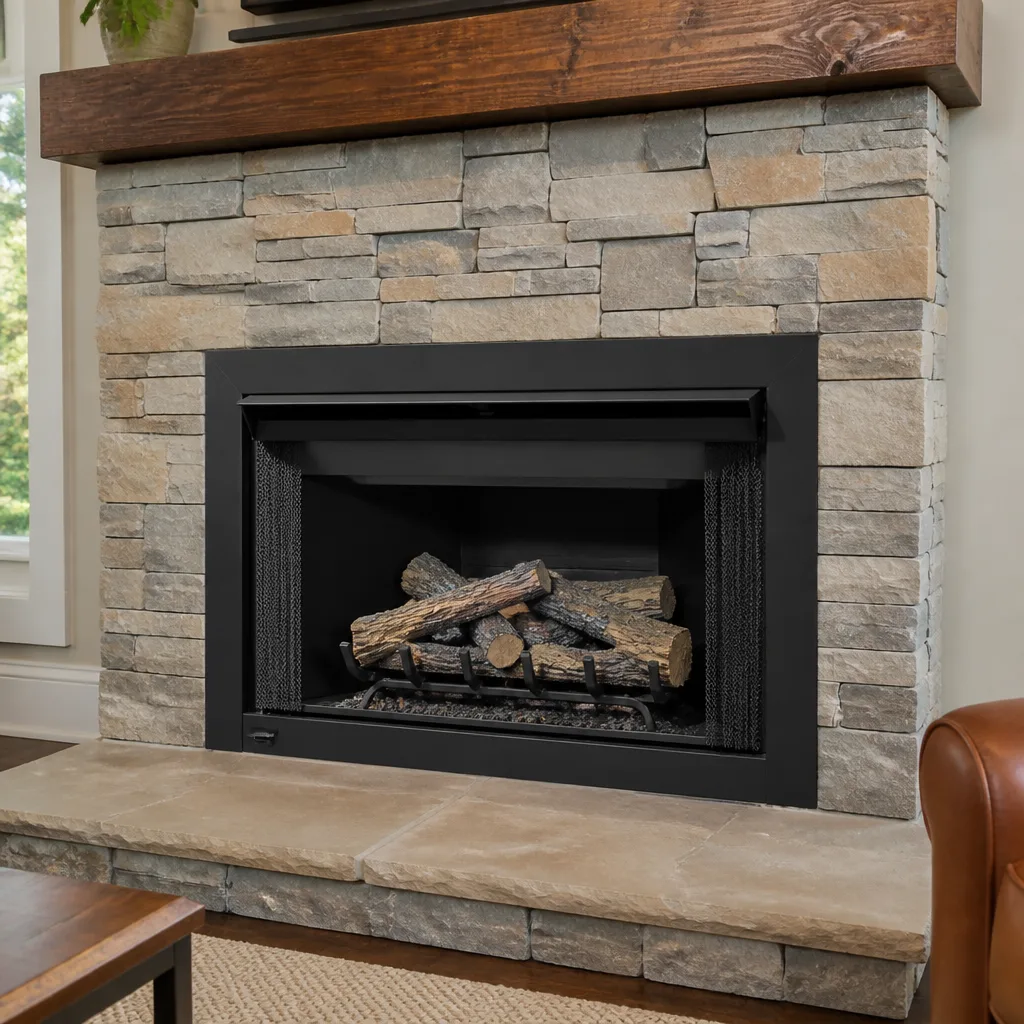 Gas fireplace service
Level 1 sweep and inspection to the NFPA 211 annual standard - flue, crown, cap, and flashing checked and photographed
Chimney sweep logs do not sweep chimneys. They loosen some creosote - which then falls where a brush and vacuum still have to collect it.
Chimney Cleaning Warning Signs: A Morningside Homeowner’s Reference Guide
Most warning sign guides hand you a list of symptoms and stop there. You read that creosote is bad, that white stains are bad, that a smoky fireplace is bad, and you’re left holding the same question you started with: what does any of this actually mean for my chimney? That gap matters. A symptom without a cause is just something to worry about. This reference works the other way around. Each sign below is mapped to the underlying problem it points to, so you can walk into a service call knowing what you’re dealing with instead of just what you noticed. It’s written for Morningside homes, where older masonry chimneys show their age in specific, predictable ways.
Quick Answer
The most reliable chimney cleaning warning signs are efflorescence (white staining) on the exterior, spalling brick, dark staining around the firebox, a fireplace that smokes back into the room, and any acrid, musty, or sulfur-like odor. Urgent signs like a damaged liner, cracked crown, or gushing water mean stop using the fireplace until it’s inspected. Signs like minor soot buildup or a slightly smoky start-up can usually wait for a scheduled cleaning.
Styles & brands we work with
- Sweep & inspection
- Caps & crowns
- Flue relining
- Masonry repair
- Gas fireplace service
Table of Contents
- What Do Exterior Signs Tell You About Your Chimney?
- Efflorescence, Spalling, and Staining: Decoding the White and Dark Marks
- Interior Firebox Signals: Liner Damage vs. Normal Creosote
- Draft and Odor Symptoms Decoded: What Each Smell Means
- Which Warning Signs Are Urgent and Which Can Wait?
- What Morningside’s Older Homes Show First
- When and How to Get a Chimney Inspection
- How to Prevent Chimney Problems Before They Start
What Do Exterior Signs Tell You About Your Chimney?
A white stain running down your chimney exterior isn’t a cosmetic issue. It’s your masonry telling you water is already moving through it, and the visible stain is the last thing that happens, not the first. Walk outside and look at your chimney the way you’d look at any other part of your house: for water where water shouldn’t be.
The exterior of a masonry chimney is your best early warning system because the damage happens slowly and shows up in order. Water finds a gap, saturates the brick and mortar, and then moves inward toward the flue. By the time you see a stain on the surface, the inside has been wet for a while. That’s why we tell Morningside homeowners to look at the chimney top-down and sideways, not just at eye level.
What to look at on the exterior:
- The crown – the concrete cap at the very top. Any crack wider than a hairline lets water straight down the flue. The crown is the first thing that fails on most chimneys.
- Brick faces – look for flaking, peeling, or brick that crumbles when you touch it. That’s spalling, and it means the brick is saturated.
- Mortar joints – recessed or missing mortar is the pathway water uses to get behind the brick.
- The chase cover or cap – a loose or rusted cap lets water and animals in.
- Staining patterns – white, green, or dark streaks each point to a different problem, covered in the next section.
On Morningside’s older homes, the exterior is often the loudest signal you’ll get, because the construction is old enough to show wear and the climate gives it plenty of wet and dry cycles to work with. If you’re not sure what you’re looking at, a professional exterior assessment is worth more than guesswork.
Efflorescence, Spalling, and Staining: Decoding the White and Dark Marks
Each stain on your chimney has a specific cause. White powdery staining is efflorescence (water carrying salts out of the masonry), crumbling brick is spalling (saturated brick freezing and breaking apart), and dark streaking is usually creosote or soot working its way through. These matter because each one has a different urgency.
Here’s how to read what you’re seeing:
- White, chalky powder (efflorescence) – Water is entering the masonry and pushing salts to the surface as it evaporates. Not urgent on its own, but it means water is already in the system. Treat it as a prompt for a full inspection, not a five-alarm emergency.
- Brick faces flaking or crumbling (spalling) – The brick is saturated and breaking down. This is urgent. Once brick spalls, it doesn’t heal, and the flue behind it may already be compromised. Stop using the fireplace until it’s assessed.
- Dark streaks or soot on the exterior – Not water. Usually a sign of a draft problem, an obstructed flue, or creosote pushing out where it shouldn’t. Get it checked before your next fire.
- Green or black crusting on the crown or flashing – Water is pooling where it shouldn’t and finding its way past the crown or flashing seal. A crown repair or replacement is usually the fix.
The nice thing about these signs is that they tell you where the water is entering, not just that it’s entering. If the crown is cracked, the water is coming from above. If the flashing is failed, it’s coming from the roof line. If the brick itself is spalling in the middle, it’s been saturating for a while. That distinction changes what the repair actually is.
Why Efflorescence Isn’t a Cosmetic Issue
A lot of homeowners clean off the white stain and call it done. That’s the mistake. The stain is a marker for a water source, and until you close the source, the stain comes right back and the damage keeps advancing behind it. Efflorescence is the visible evidence, not the problem.
Interior Firebox Signals: Liner Damage vs. Normal Creosote
Inside the firebox, some staining is normal and some isn’t. Glossy or sooty creosote on the firebox walls is the normal byproduct of burning wood. Cracks, white crust, or dark stains above the firebox that weren’t there before point to liner damage, and that’s the distinction that matters when you’re deciding whether to schedule a cleaning or stop using the fireplace today.
Normal creosote looks like this: dark, dry, flaky, or slightly glossy soot on the firebox walls and the first stretch of flue. It’s expected between cleanings. What isn’t expected:
- Cracks in the firebox or liner – Visible cracks in the firebrick or the liner surface let heat reach the structure behind them. Urgent. Stop using the fireplace.
- White, crusty deposits inside the firebox – Often a sign that water is getting in from above and interacting with the firebox materials. Urgent, because the moisture is feeding the damage.
- Glossy, bubbled, or tar-like creosote – Third-degree creosote is the kind that fuels chimney fires. Needs a professional cleaning before the next fire, not a DIY brushing.
- Rust or corrosion on a metal firebox or damper – Moisture is present where it shouldn’t be, or the firebox is nearing the end of its service life. Get it assessed.
- Liner joints that don’t line up or a liner that pulls away from the flue – Warped or shifted liner sections can let exhaust into the structure. Urgent.
Where a generalist handyman guesses by flashlight, a proper inspection documents what’s actually happening. That’s the difference between a cleaning and a diagnosis. If you’re seeing any of the urgent signs, don’t burn again until someone qualified has looked at the liner with proper lighting and, where needed, a camera.
Draft and Odor Symptoms Decoded: What Each Smell Means
Odors coming from a fireplace are the chimney’s way of telling you what’s in the flue. An acrid, smoky smell means draft is escaping back into the room. A musty smell means moisture and organic growth. A sulfur or rotten-egg smell means something is decaying in the chimney, often an animal nest or leaf pack. Each points to a different cause and a different fix.
Read the smell profile like a diagnosis:
Acrid or smoky odor
This is the most common complaint. Smoke that leaves the fire and comes back into the room usually means the chimney is not drafting correctly. Common causes include a blocked or partially blocked flue (bird nest, leaf pack, collapsed liner section), an oversized flue relative to the firebox, negative pressure in the house, or a cold flue on start-up. A cold flue is normal and usually clears as the chimney warms. A persistent smoky smell that gets worse with each fire is a draft or obstruction problem that a sweep needs to see.
Musty or damp odor
Mustiness means moisture. Water is entering the chimney, either at the crown, the flashing, or through spalling brick. The damp smell is the byproduct of long-term moisture in the system, and it usually shows up first on humid days or after rain. Left alone, moisture leads to spalling, liner damage, and eventually structural problems. Treat musty odor as a signal to schedule an inspection and look for the water source.
Sulfur or rotten-egg smell
That smell is organic material breaking down inside the chimney, usually from a bird nest, a squirrel nest, or a leaf and debris pack. Animals and debris are a fire hazard because they block the flue and can ignite. Get it cleaned out before you burn. A properly fitted chimney cap & crown goes a long way toward preventing the next intrusion.
Gas fireplace odor
If you have a gas fireplace and smell gas, don’t trouble-shoot it yourself. Stop using it, ventilate, and call a qualified professional. Gas is not a diagnostic puzzle for a homeowner.
Which Warning Signs Are Urgent and Which Can Wait?
The most useful thing this guide can do is sort the list into two buckets: signs that mean stop using the fireplace until it’s inspected, and signs that mean schedule a cleaning when it’s convenient. Getting this wrong in either direction is a problem, because ignoring an urgent sign is a safety issue and treating every minor soot mark as an emergency means unnecessary repair bills.
Signs that are urgent (stop using the fireplace until inspected):
- Cracks in the firebox, liner, or flue tile.
- White, crusty deposits inside the firebox.
- Brick spalling (flaking or crumbling) on the exterior.
- Water actively running down inside the flue or firebox.
- A strong sulfur or rotten-egg smell that won’t clear.
- Third-degree (glossy, bubbled, tar-like) creosote.
- A cracked or crumbling crown with visible gaps.
- A persistent smoky smell in the room with a fire going.
Signs that can usually wait for a scheduled cleaning:
- Loose soot on the firebox walls.
- A slightly smoky smell on the first fire of the season (cold flue).
- A little ash buildup in the firebox between cleanings.
- Minor efflorescence without spalling or other damage.
- A lone dark streak on the exterior with no other symptoms.
That second list isn’t a “don’t bother” list. It’s a “schedule it, don’t panic” list. The pattern to keep in mind: anything that points to the liner, the crown, or moisture getting where it shouldn’t be is urgent. Anything that’s just the normal wear of wood burning is a cleaning.
What Morningside’s Older Homes Show First
Pre-1980 masonry chimneys in Morningside tend to show deterioration in a fairly consistent order: the crown first, then the mortar joints, then the flue tiles, then the firebox. Understanding that order helps you look in the right places instead of guessing where the problem started. The crown and mortar are on the exterior surface where weather hits first, and the flue and firebox are inside where water ends up when the outside fails.
The pattern isn’t random. On a chimney built before modern liner standards, the materials were installed to a different code and have usually gone through decades of wet-dry cycling by now. The parts that face the weather go first. Here’s what we see most often in older Morningside homes, in roughly the order things tend to show up:
- Crown cracks. The crown is the first thing to fail on most older chimneys. A hairline crack at the joint where the crown meets the brick lets water in and down the flue. Most homeowners miss this because they never look at the top of the chimney. Get on the roof safely (or have someone do it) and look at the crown.
- Mortar joint erosion. The mortar between the bricks recedes after years of weather. When the joints are recessed more than a quarter inch, water has an open path into the brick.
- Flue tile cracks. Old clay flue tiles crack from heat cycling and moisture. Once a tile cracks, the exhaust can reach the surrounding masonry and framing.
- Firebox mortar deterioration. The firebrick joints in the firebox take direct heat and weaken over time.
- Brick spalling. The last visible stage. By the time brick faces flake off, water has been in the system for a while.
That ordering matters because it tells you where to look first. If your Morningside home was built before 1980 and hasn’t had a professional inspection in a few years, start with the crown and mortar on the exterior, then have the flue and liner checked properly. A full-system approach means the crown, the flue, and the firebox are all evaluated in one visit rather than one piece at a time by different specialists.
When and How to Get a Chimney Inspection
A chimney inspection is a standalone, billed service, not a free upsell. Schedule one any time you see an urgent sign, once a year if you burn regularly, and before you use the fireplace after a long idle season. The inspection is what tells you whether the chimney needs a cleaning, a repair, a liner restoration, or nothing at all.
Here’s how a proper inspection usually goes:
- Exterior assessment. The technician checks the crown, the cap, the flashing, the brick and mortar, and any visible staining. Photos or notes document the condition before anything else happens.
- Firebox and damper check. The firebox, damper, and the first stretch of flue are inspected for cracks, warping, and unusual creosote.
- Flue and liner evaluation. Depending on the chimney, the technician uses lighting and, where needed, a camera to see the full length of the flue. Liner integrity is documented.
- Photo report. Findings are documented with photos so you see what the technician saw. This is the step that separates a real diagnosis from a verbal guess.
- Recommendation. The technician recommends cleaning, repair, or no action, with a written estimate for anything that needs work.
If you’re in Morningside and looking for the cleaning side of this work, the chimney sweep service is the typical starting point, and the inspection can be scheduled alongside it. The point of the inspection isn’t to find something to sell you. It’s to give you a documented answer, and to tell you plainly when the fireplace is fine and the work can wait.
One more thing on the inspection: if the liner turns out to be deteriorating, HeatShield liner restoration can often rebuild the flue surface without a full rebuild. That’s a meaningful difference when the alternative is a major reconstruction, and it’s work a lot of sweep-only companies can’t offer.
How to Prevent Chimney Problems Before They Start
Most of the urgent signs in this guide are caused by one of two things: water getting in, or creosote building up. Both are manageable with a few routine habits, and both are cheaper to prevent than to repair. The goal is to stop the water path on the outside before it does damage inside.
The prevention checklist:
- Get the chimney swept regularly. If you burn wood regularly, an annual cleaning keeps creosote from reaching third-degree levels. This is the single biggest prevention step.
- Keep a fitted cap on the chimney. A good cap keeps rain, animals, and debris out. Caps and crowns fitted with factory components like Gelco and Olympia Chimney hold up better than improvised covers.
- Maintain the crown. A small crack is a cheap repair. A failed crown is a full replacement. Inspect the crown with binoculars if you can’t safely get on the roof.
- Burn dry, seasoned wood. Wet wood makes more creosote. Splitting and seasoning wood for a season before burning makes a measurable difference.
- Don’t burn trash, cardboard, or pressure-treated wood. Those produce more creosote and can damage the flue.
- Watch for water after heavy rain. Any dampness inside the firebox after a storm is worth an inspection.
Prevention is also where a full-system provider earns the call. When a company handles the chimney cap & crown as well as the cleaning, the prevention points all get addressed in one visit instead of three. The chimney sweep service is the entry point, and the cap and crown work is where water prevention actually lives.
Common Mistakes to Avoid
- Cleaning off the white stain and calling it done. The stain is a marker for a water source. Until the source is closed, the stain comes back and the damage keeps advancing behind it.
- Burning after seeing a cracked liner because “it looks small.” A crack in the liner is a pathway for heat and exhaust into the structure. Small cracks get bigger, and the safety margin shrinks with them.
- Assuming a smoky fireplace is a wood problem. Wet wood makes more smoke, but a fireplace that smokes back into the room consistently usually has a draft or obstruction problem, not a fuel problem.
- Hiring a sweep who won’t document what they find. If a technician tells you the liner is bad but can’t show you why, you’re being asked to take it on faith. A proper inspection includes photos.
- Skipping the annual inspection because the fireplace “seems fine.” Most chimney damage is invisible from the firebox. The exterior and the flue are where the early signs live, and they need to be looked at on purpose.
- Covering a crown crack with sealant without fixing the underlying crack. Sealant over a moving crack fails fast. The fix is to repair or replace the crown, not to hide the crack.
- Letting a generalist handyman handle a chimney problem. A handyman might patch a crack, but the diagnosis is the hard part. Chimney work is a specialty for a reason.
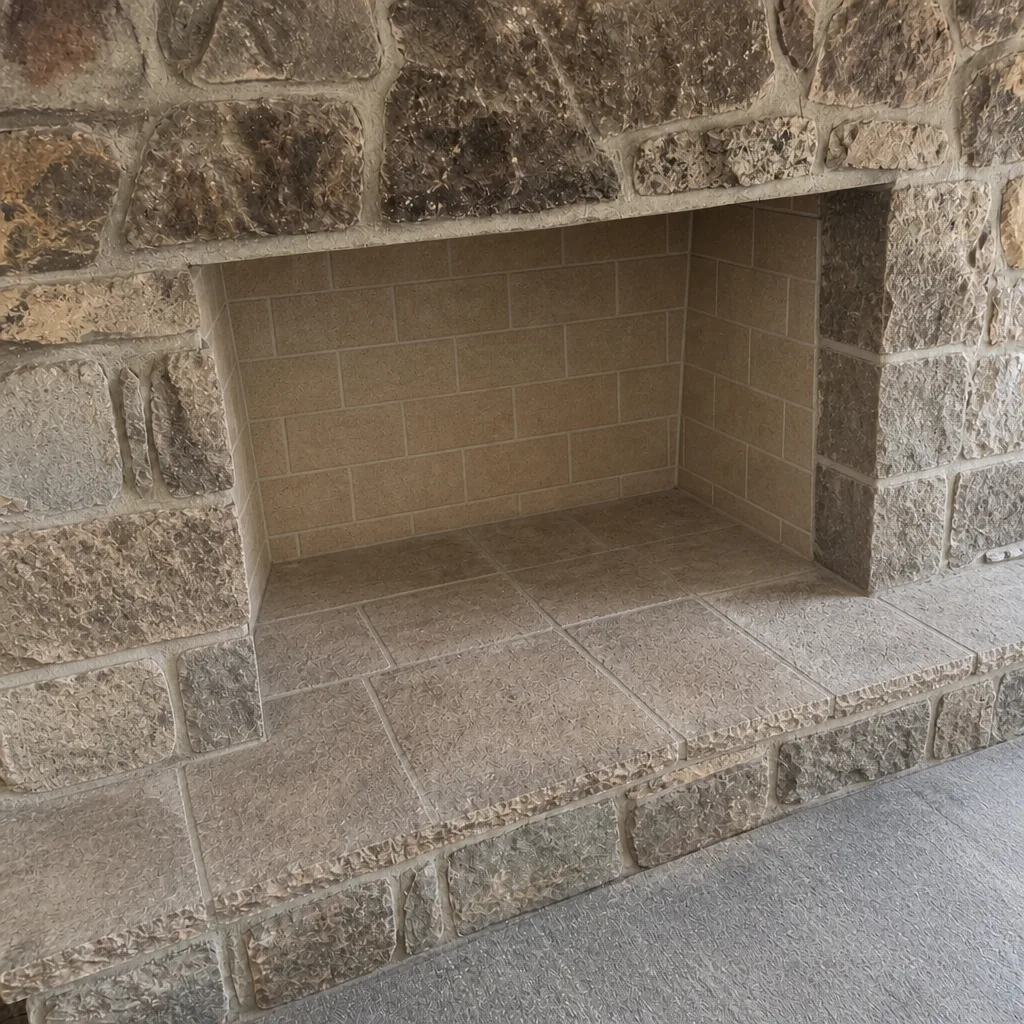
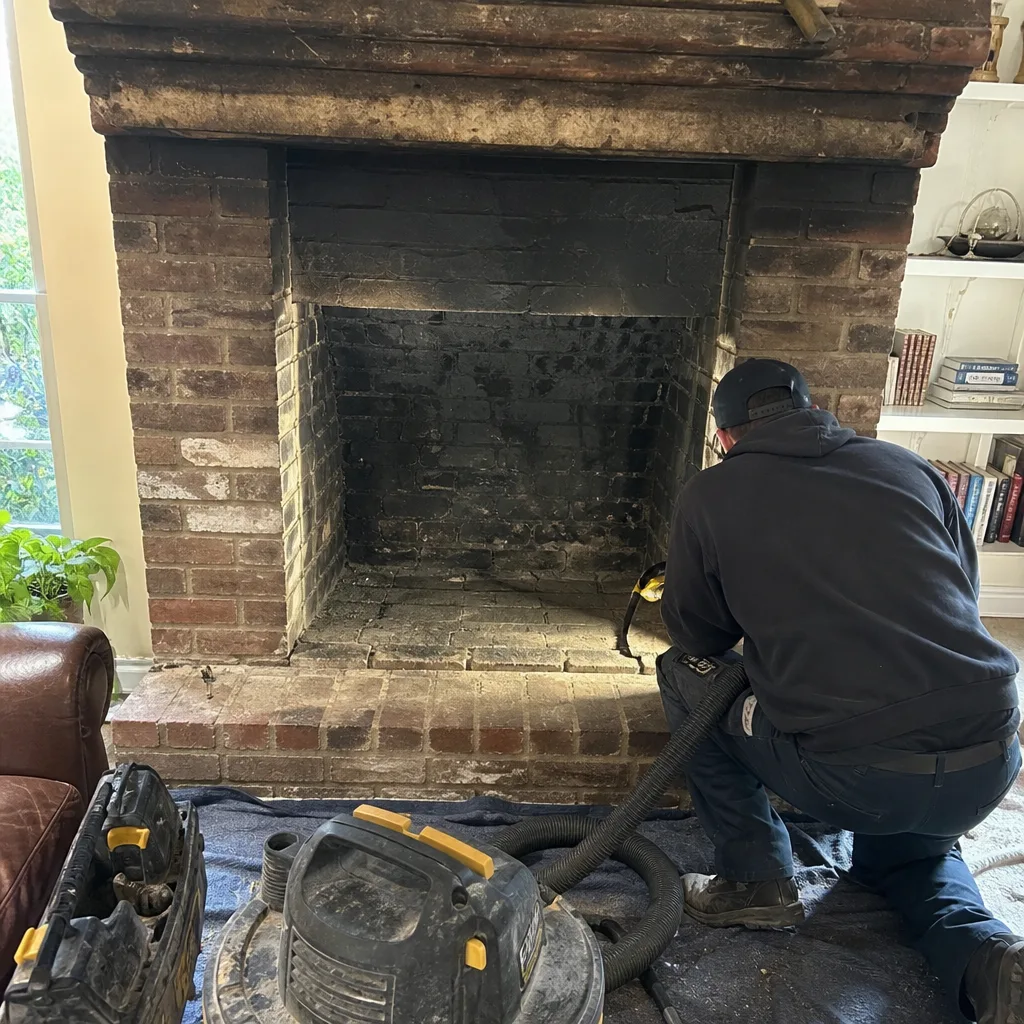
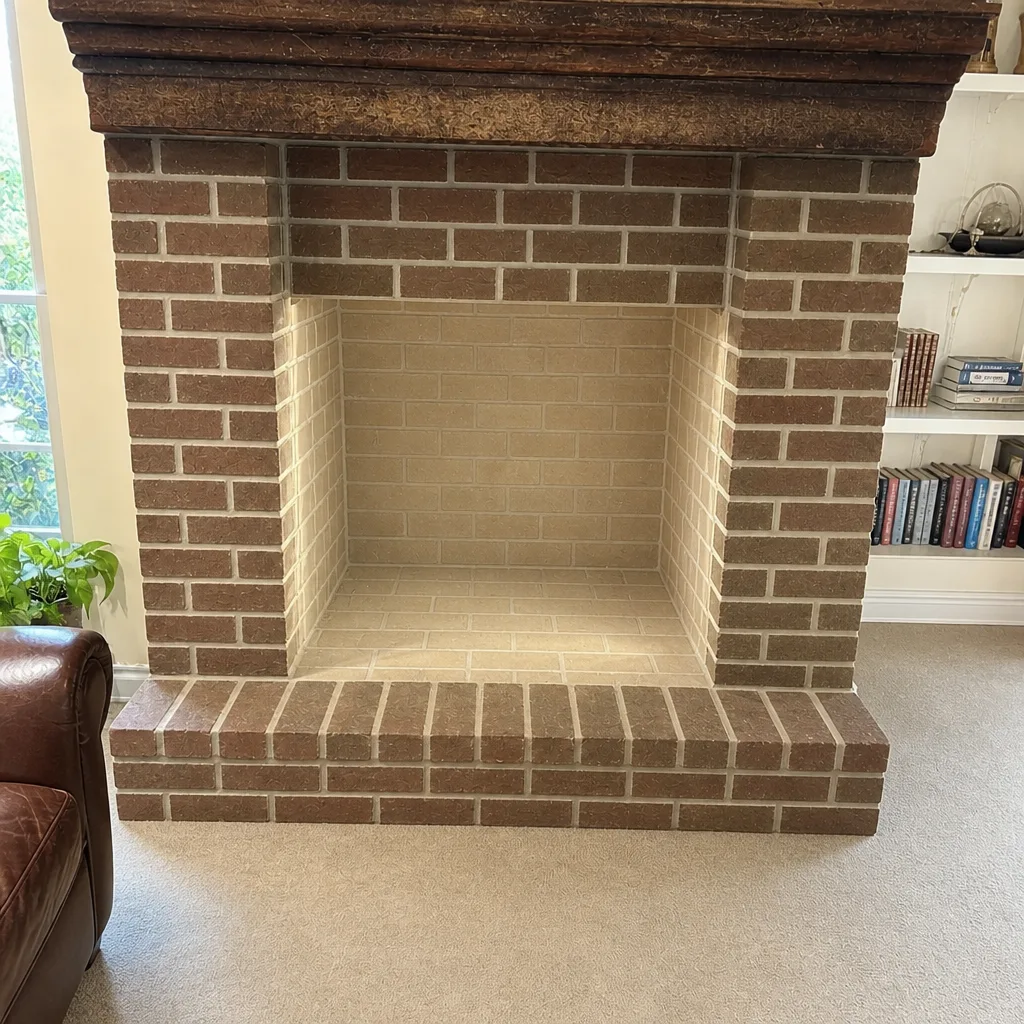
See the difference
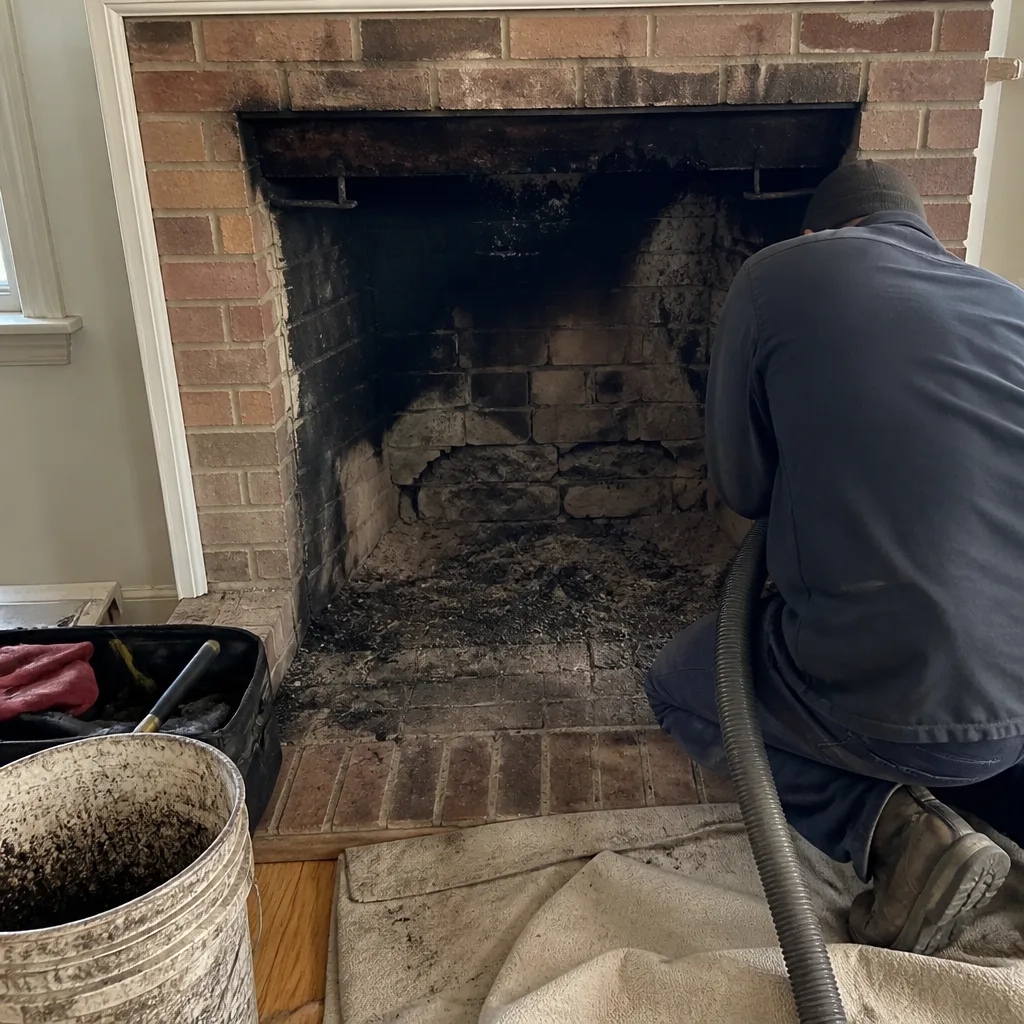 Before
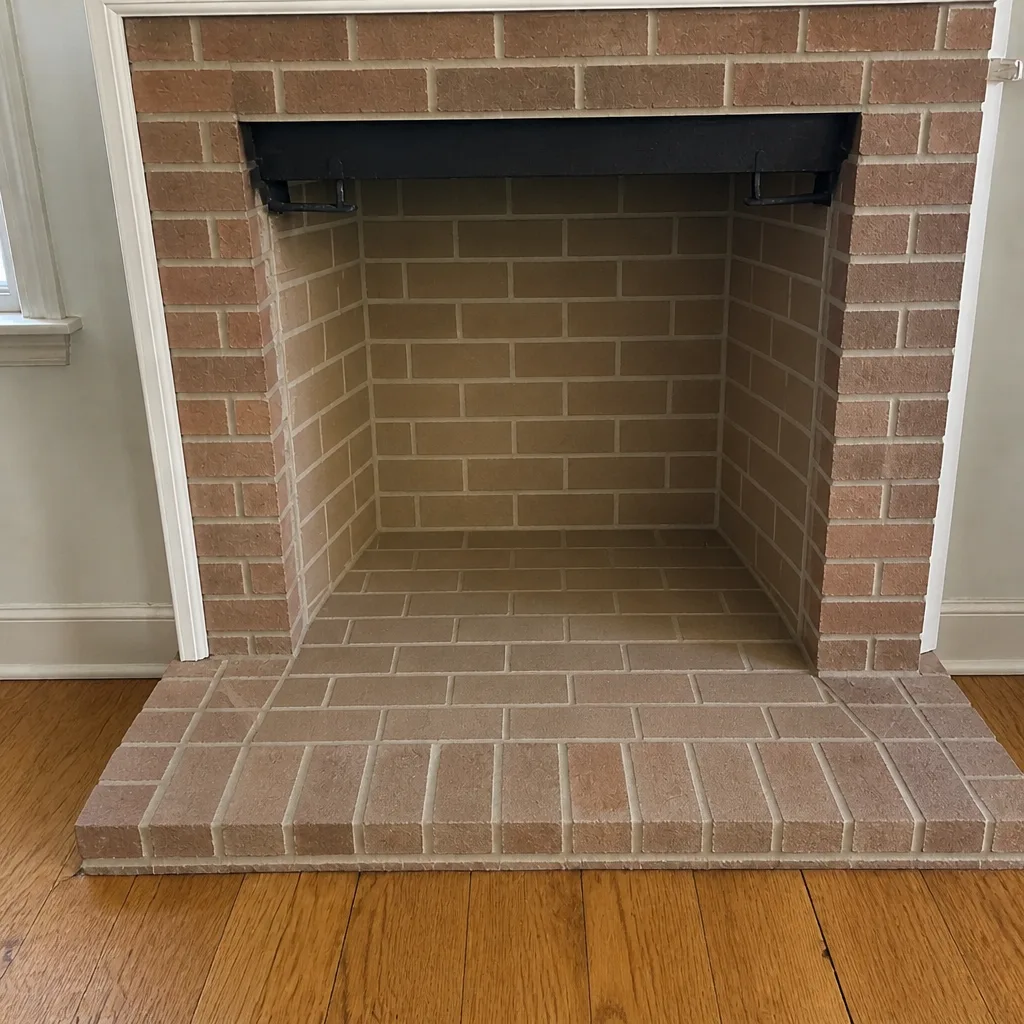 After
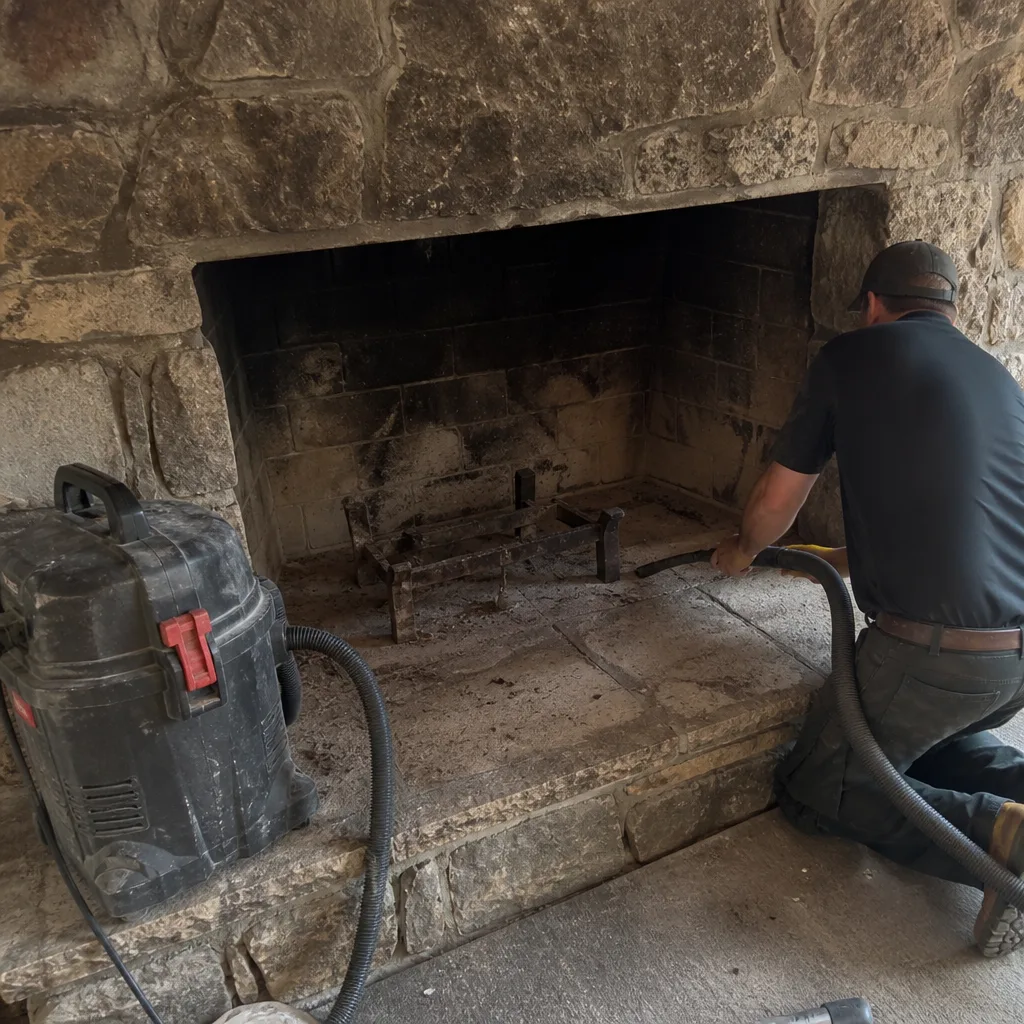 Before
 After
 Before
 After
When to Call a Professional
Call a professional the moment you see any of the urgent signs: a cracked liner, white crust inside the firebox, spalling brick, water running inside the flue, a persistent sulfur smell, or third-degree creosote. Call sooner rather than later if a fire has burned in the firebox since any of those signs appeared; the chimney should be inspected before it’s used again. A regularly used fireplace in Morningside deserves an annual inspection even without obvious signs, and the inspection is a standalone, billed service, not a sales pitch. If your liner is deteriorating, HeatShield restoration may give you a repair option short of a full rebuild. Chimney Sweep Morningside offers free estimates in Morningside. Call (877) 820-8736. We answer 24/7. Fast dispatch from 7am to 7pm, Sunday through Friday.
Frequently Asked Questions
Once a year for most homes that burn wood regularly, and more often if you burn heavily or notice a buildup of creosote. An annual cleaning and inspection catches the early signs before they turn into liner or crown damage, and it tells you plainly when nothing needs doing. If your fireplace sits idle for years, an inspection before the first fire of the season matters more than a routine cleaning. Call (877) 820-8736 for an exact quote. Estimates are free.
Efflorescence is water carrying salts out of the masonry as it evaporates, and it means moisture is entering the chimney. It’s a prompt for an inspection, not automatically an emergency, though if it’s accompanied by spalling brick the urgency goes up. Finding and closing the water source is the actual fix, because treating the stain alone lets the damage continue. Call (877) 820-8736 for an exact quote. Estimates are free.
No. A cracked liner lets heat and exhaust reach the structure around the flue, and that’s a fire and carbon monoxide risk. Stop using the fireplace until a qualified professional has inspected it, and don’t assume a hairline crack is safe because it’s small. A liner restoration option like HeatShield can sometimes rebuild the flue surface without a full rebuild, but that’s a professional determination. Call (877) 820-8736 for an exact quote. Estimates are free.
Smoke smell in an unlit fireplace usually means draft is escaping back into the room, often from a blocked flue, negative pressure in the house, or residual creosote in the system. A musty smell points to moisture, and a sulfur smell points to an animal nest or debris pack. Each one has a different cause and a different fix, so the smell profile is the first thing to note before the visit. Call (877) 820-8736 for an exact quote. Estimates are free.
Yes, because most chimney damage is invisible from the firebox. The crown, mortar joints, and flue tiles are where the early signs live, and they need to be checked on purpose to be found. An inspection is a standalone, billed service that includes a photo report so you see what the technician saw, and it tells you plainly when the work can wait. Call (877) 820-8736 for an exact quote. Estimates are free.
A cleaning removes soot and creosote from a chimney that’s otherwise in good condition. A repair addresses a specific problem: a cracked crown, damaged flue tiles, firebox deterioration, or a failed liner. The inspection is what tells you which one you need, and a good provider will tell you when the cleaning is all it takes. Chimney Sweep Morningside handles the sweep, the inspection, and the repair, so there’s no handoff between companies. Call (877) 820-8736 for an exact quote. Estimates are free.
The Bottom Line
The warning signs in this guide are useful because each one points to a specific cause, not just a vague concern. Efflorescence means water is entering the masonry. Spalling means the brick is saturated. A cracked liner means heat can reach the structure. A sulfur smell means something is decaying in the flue. Sort the signs into urgent (stop using the fireplace) and scheduled (book the cleaning), and you’ll make the right call in the right order. Morningside’s older masonry chimneys tend to show the crown and mortar problems first, so start there. When in doubt, get a documented inspection. It’ll tell you plainly what’s happening and whether the work can wait.
If you see any of the urgent signs, or you’d like a documented inspection of your fireplace before the season starts, call (877) 820-8736 for a free estimate. We answer 24/7. Fast dispatch from 7am to 7pm, Sunday through Friday. For homeowners who want the cleaning side scheduled, the Chimney Sweep Morningside team can walk you through it, and for fireplace repair there’s a full documented process that starts with the inspection and ends with a written estimate.
Written by the team at Chimney Sweep Morningside.